
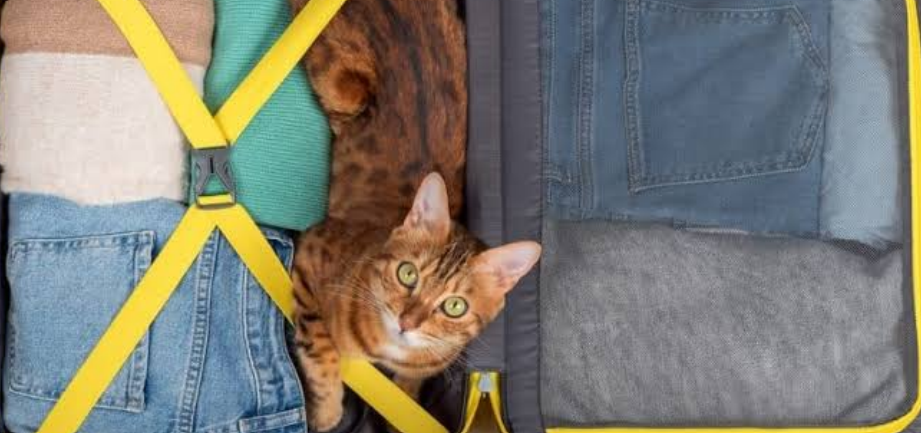
Traveling with your pet cat can be much harder than traveling with your pet dog. Cats have an emotional attachment to their environment, daily routine, and scent. Even a short drive by itself can cause stress to a cat.
When you plan a trip that will take you to the vet, moving into a new house, or going away from home for a longer period of time, you must prepare yourself and your cat for the trip. Preparing can help reduce your cat’s anxiety and ensure his safety.
Preparation is key to successful travel for both you and your cat. You should begin preparing long before the day of departure. The process includes helping your cat get used to traveling in a carrier, selecting the best type of carrier, and identifying when you need professional assistance. This process will increase both you and your cat’s confidence in traveling.
Why do cats dislike travel?
As a territorial animal, a cat feels safest at home. The first thing a cat will encounter when it leaves home is a totally foreign environment. All senses (sight, hearing, smell) along with motion will cause him to be stressed.
During a trip, some Cats will cry continually; other Cats become very quiet; they will hide, drool excessively, or refuse to eat after the trip. A majority of these behaviors are caused by anxiety as opposed to illness; however, some Cats may experience motion sickness.
When you recognize that Travel can be emotionally difficult, you are able to focus on eliminating as much stress for your cat as possible. This allows you to focus on changing behavior instead of just trying to manage it during the trip.
Choosing the Right Carrier
One of the most important items for transporting a cat is finding the correct size and type of carrier.
The carrier must be sturdy, ventilated, and spacious enough to allow the cat to stand up, turn around, and lie down comfortably. Both hard sided carriers offer great protection during transport, while higher quality soft sided carriers are ideal for short trips or flying, provided they comply with transportation regulations. Top opening carriers make it easier to safely remove a cat that is reluctant to exit.
Helping Your Cat Adapt to the Carrier
Many cats only encounter their carriers prior to traveling. Thus, they often learn that the carrier is associated with negative events. The goal is to have the carrier become a common item within the household.
Leave the carrier open in a quiet area at least several days, preferably weeks, before you plan to travel. Place something your cat likes (a bed, blanket, towel) inside the carrier; this will encourage your cat to explore the carrier and eventually use it as a resting place as the carrier becomes a standard feature of your house.
Familiarity with the carrier has been shown to decrease anxiety and make putting your cat into the carrier easier on the travel date.
Preparing for the Journey
Preparation for both humans and animals reduces the stress involved with travel.
Bring items from Home.
Smell plays an extremely large role in how cats perceive their surroundings. Bringing familiar scents such as bedding, a blanket, etc., or a few small towels with scents from home to put inside the carrier may give your cat some comfort while in transit.
Also bring familiar food, water, and/or medication to help maintain a consistent daily routine.
Keep the carrier secure.
A stable and secure carrier during car travel prevents the carrier from moving during abrupt stops and turns. This stability and security can greatly minimize your cat’s anxiety due to motion sickness and improve your overall safety.
Do not allow your cats to move about unattended in the vehicle while driving. They can either get underfoot and cause distraction while you drive, or become injured if you need to quickly brake.
Maintain a comfortable environment.
Cars must have adequate ventilation and keep the interior at a comfortable temperature. It would be wise to avoid direct sunlight on your pet carrier (especially if it’s going to be warm outside). The less you move your pet and the quieter your car, the lower your pet’s anxiety will likely be.
Is Sedation Always Necessary?
It’s common for people who are traveling with their pets to ask themselves if anesthetizing their pet is the way to go. As a matter of fact, most veterinarians do not recommend routine sedation for travel in cats.
Some cats learn how to travel well using nothing but gradual training and changes to their environment, while other cats may find ways to relax using methods that do not include drugs. Most veterinarians reserve the use of anesthesia for cats that exhibit extreme fear, panic, or pose a risk of self injury while being transported.
Since drugs can react uniquely in different animals, there is no one size that fits all approach to anesthesia. Therefore, drugs should only be prescribed by a veterinarian. Furthermore, giving a human drug to a pet without first consulting with a veterinarian could lead to serious side effects.
Signs Your Cat May Need Veterinary Advice Before Traveling
Most healthy pets can travel safely with proper planning, there are certain situations where professional guidance before leaving is required. Older cats, kittens and pets with ongoing medical issues may require extra time to prepare for travel.
Additionally, cats that suffer from heart problems, respiratory disorders, diabetes, and seizures will likely require modifications made to the pet’s travel schedule or medication regimen. Cats that experience intense motion sickness or extreme stress related to travel may also benefit from receiving personalized advice prior to leaving.
International travel requires many documents and certifications such as health certificates, vaccination records, identification, and specific requirements based upon your final destinations. These documents and certifications can take several months to complete.
Supporting Your Cat After Arrival
The trip doesn’t end when you reach your final destination. It takes some cats a while to get used to new environments.
Setting up a quiet space with the same bedding, food, water and litter box that they have at home will allow them to acclimate gradually, without getting too stressed out. The amount of time that a cat needs to feel comfortable can vary from minutes to hours, or even days.
Sticking to regular feeding schedules and maintaining their daily routine will be helpful in helping the cat to adapt quickly.
A lot of patience is needed throughout this transition. Forcing interaction can add to the cat’s stress level, rather than decreasing it.
Common Travel Mistakes to Avoid
Several easy errors can make traveling very stressful. When we wait until the last second to prepare for a trip, we are adding unnecessary anxiety. When we first introduce an unknown object (the carrier) into our pet’s life just before we leave for a trip, the stress on both us and the pet is increased.
Also increasing the risk of harm are giving the cat a full meal right before leaving, and introducing an inappropriate container instead of a suitable carrier.
Preparation and consistency in caring for our pets usually lead to less stress for both our pets and ourselves.
Conclusion
Preparation of a cat for travel entails significantly more than simply putting it into a carrier on the date of departure. Preparation for gradual adjustment, selection of a suitable and safe carrier for your cat and recognition of when expert assistance would be beneficial to the success of your travels will all work together to provide your cat with a less stressful and safer travel experience.
