
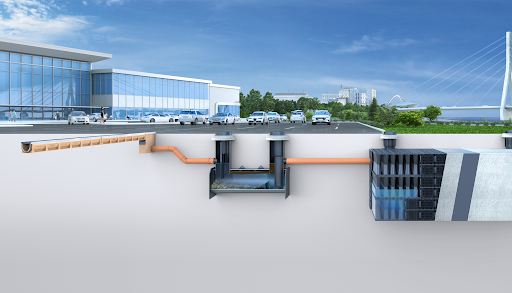
In contemporary urban development, effective water management is critical for preventing flooding and erosion, improving water quality, and maintaining public infrastructure. Detention tanks play a pivotal role in these efforts by temporarily storing stormwater and releasing it at a controlled rate. This technology helps in mitigating the impacts of heavy rainfall events and is a cornerstone of sustainable drainage systems.
Detention tanks are designed to manage excessive surface runoff, particularly in heavily built-up areas where natural water infiltration into the soil is limited. By installing detention tanks, cities can better manage the peaks of water flow that occur during storms. The use of detention tanks can significantly reduce the burden on municipal sewer systems, thereby preventing overflow events that can lead to contamination of local waterways.
How Detention Tanks Work
Detention tanks function by capturing and storing rainwater during a storm. This stored water is gradually released into the drainage system or allowed to infiltrate the ground, reducing peak flow rates. This controlled release ensures that the downstream stormwater infrastructure is not overwhelmed, mitigating potential flood risks and related damages.
The incorporation of hydraulic controls such as orifices and pumps in detention tanks allows for precise regulation of outflow rates. These controls are essential for tailoring the release of water to specific site conditions and ensuring compliance with local water management regulations.
Applications in Urban Areas
In densely populated urban areas, the impermeability of surfaces like concrete and asphalt exacerbates flooding risks. Detention tanks can be installed beneath roads, car parks, and public spaces to effectively manage rainwater where it falls. Such installations are crucial in retrofitting existing urban environments to meet modern water management standards.
For example, in regions with strict development codes, the use of detention tanks ensures compliance and grants necessary permits. These systems can also contribute to meeting sustainability goals by enhancing the recharge of local aquifers and reducing the urban heat island effect.
Environmental Benefits
Detention tanks provide substantial environmental benefits. By controlling stormwater runoff, they help to prevent pollution from reaching aquatic ecosystems. During heavy rain events, runoff typically collects pollutants from urban surfaces. The ability of detention tanks to capture and slowly release this runoff allows for associated contaminants to be settled and trapped, reducing their entry into natural water bodies.
In addition, detention tanks contribute to groundwater recharge, which is vital for maintaining the hydrological cycle in many regions. This process supports local water supplies and enhances baseflow in rivers during dry periods.
Design Considerations
The design of a detention tank system must consider several factors, including the volume of water anticipated, the site’s topography, soil type, and climate conditions. Engineers typically use hydrological models to predict how different tank configurations will perform under various rainfall scenarios.
A properly designed detention tank system will balance capacity with outflow controls to achieve optimal performance. Engineers must also consider the tank’s integration with other drainage components, such as pipe networks and overland flow paths, to ensure comprehensive water management solutions.
Types of Detention Tanks
Detention tanks come in various materials and configurations. Common materials include precast concrete, fibreglass, and high-density polyethylene. Each material has its advantages in terms of durability, cost, and ease of installation.
Modular tanks made from high-density polyethylene are particularly popular due to their flexibility and lightweight properties, allowing for easier transport and installation in complex urban environments. Precast concrete tanks, on the other hand, offer robust structural capabilities for locations with high traffic loads.
Maintenance and Inspection
Regular maintenance and inspection are crucial for ensuring that detention tanks function effectively over their intended lifespan. This includes checking for debris blockages, inspecting hydraulic controls, and assessing structural integrity.
Scheduled maintenance helps detect and address issues such as sediment build-up or damage to outflow control devices, which can impair the tank’s performance. Municipalities often conduct these inspections and maintenance tasks to manage public infrastructure systems efficiently.
The Future of Detention Tank Technology
Advancements in detention tank technology continue to evolve, with new designs focusing on increased resilience and adaptability to climate change impacts. Innovations include the integration of smart sensors and automated controls that optimise water release schedules based on real-time data.
These technologies can enhance the efficiency of detention tanks, ensuring that they continue to mitigate flooding risks and pollution in the face of changing weather patterns. Future developments are likely to see further improvements in materials and cost-effectiveness, making detention tanks even more accessible for widespread application.
Conclusion
Detention tanks are vital components of modern stormwater management systems. Their ability to manage runoff, protect infrastructure, and provide environmental benefits cannot be overstated. As cities continue to grow and face the challenges of climate change, the role of detention tanks will become increasingly important in safeguarding urban environments and promoting sustainable development.