
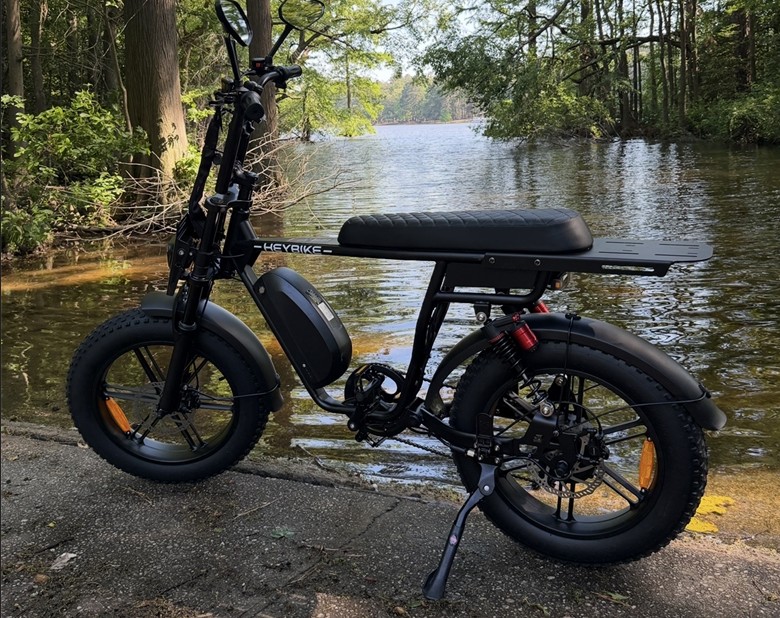
Most people do not need a car for every trip. They need something for the two-mile ride to work, the quick grocery run, the coffee stop across town, the ride across campus, or the weekend loop that feels too far to walk but not worth starting the car for. That is why moped-style ebikes have started to make sense to more riders.
They are not trying to be road bikes or built for people chasing speed or ultra-light frames. A good moped style ebike is for a different kind of rider: someone who wants comfort, stability, electric help, and enough practicality to use the bike often. That is also why brands like Heybike have become part of the conversation, not just for their bold look, but because this style fits how many people actually move through a normal week.
Will You Use It More Than a Regular Bike?
A traditional bicycle-style ebike can be great. It is usually lighter, easier to pedal, and often easier to store. For riders who want a more athletic feel, it may be the better choice.
But plenty of people buy bikes with good intentions and then stop using them because the ride feels uncomfortable, the saddle bothers them, the streets feel rough, or the trip still feels like too much effort after a long day.
Moped-style ebikes solve a different problem. They make riding feel less like exercise equipment and more like daily transportation.
The longer seat feels more relaxed. The wider tires feel more planted. The upright position is easier on the back and shoulders. Electric assist takes the edge off hills, wind, and stop-and-go streets. None of that sounds dramatic on paper, but it changes how often people are willing to ride.
And frequency is the point. The best ebike is not the one with the loudest spec sheet. It is the one you keep choosing instead of reaching for the car keys.
What This Style Does Well
Moped style ebikes are strongest in ordinary, repeated use. They work well for riders who take short to medium trips and want those trips to feel easy. Commuting, errands, neighborhood rides, school runs, campus travel, and weekend cruising are where this category feels natural.
The design also helps newer riders. A bike with wider tires and a lower, sturdier feel can be less intimidating than a skinny-tire commuter bike. It feels more stable at slow speeds, around corners, and over rough pavement.
That matters in real cities and suburbs. Streets aren’t perfect, and you feel that pretty quickly once you start riding regularly. Bike lanes come and go, pavement gets rough, and things like potholes or loose gravel are just part of the ride. A bike that feels stable and grounded makes a big difference, especially when you’re carrying a bag or picking up a few groceries on the way home.
This is also where the overall build of the bike starts to matter more than just how it looks. A good moped-style ebike should feel solid and reliable day to day, not just stylish. Things like tire width, braking performance, suspension, battery setup, and frame design all play a role in whether the bike actually holds up to everyday use.
Where It Is Not the Right Fit
A moped-style ebike is not for everyone, and pretending otherwise makes the advice less useful.
If you need to carry your bike up stairs every day, this may not be the easiest style to live with. These bikes are usually heavier than standard commuter ebikes. If you have very limited storage space, a compact folding model may be more practical. If your main goal is fitness, a lighter bicycle-style ebike will probably feel more natural.
There is also a difference between liking the look and liking the ownership experience. A bigger frame and wider tires can feel great on the road, but they also take up more space in a garage, hallway, or apartment.
So the decision is simple: choose a moped-style ebike if you care most about comfort, stability, and practical short-trip transportation. Choose another style if low weight, easy carrying, or a traditional pedaling feel matters more.
Comfort Is Not a Small Detail
Comfort decides whether people ride once a month or several times a week.
A narrow saddle may be fine for a ten-minute ride. It becomes less appealing when the bike becomes part of your routine. A long padded seat gives moped-style ebikes their relaxed feel. You sit more naturally, shift your weight more easily, and do not feel like every ride has to be a cycling workout.
The upright position helps too. Many riders do not want to lean forward over the bars on the way to work or while picking up groceries. They want to sit up, see traffic, and ride without their wrists and shoulders doing all the work.
This is one reason the category attracts people who may not think of themselves as “cyclists.” They are not buying into bike culture. They are looking for a better way to handle daily trips.
Stability Beats Speed for Everyday Riding
Speed gets attention. Stability gets used. For daily riders, a bike that feels predictable is more valuable than one that only sounds powerful. Wide tires help here. They give the bike a more grounded feel on cracked streets, gravel paths, and rough pavement. Suspension can also make a major difference if your routes include potholes or uneven surfaces.
Brakes matter just as much. A heavier ebike needs confident stopping power. Hydraulic disc brakes are often worth looking for because they make the bike feel more controlled, especially in traffic or on downhill sections.
This is where shoppers should be careful. Do not buy only because a bike has a big motor number. Look at the whole setup: tires, brakes, frame, suspension, battery, and how the bike is meant to be used.
A strong motor is useful. A balanced bike is better.
Think About Range the Way You Actually Ride
Range claims can be confusing because real life is not a lab test.
A battery will last longer with light pedal assist on flat roads. It will drain faster with throttle-heavy riding, hills, cold weather, heavier riders, cargo, or higher assist levels. That does not mean range numbers are useless. It means you should read them with your own route in mind.
A commuter should ask: can this bike handle my round trip with room to spare?
Someone using it for errands should ask: can I ride across town, stop a few times, and come home without planning my day around charging?
A weekend rider should ask: will the bike still feel useful after the first hour?
A removable battery can be a real advantage for apartment living or office charging. It is not the flashiest feature, but it often makes ownership easier.
The Best Buyer for a Moped-Style Ebike
This kind of ebike is a good fit for someone who wants to ride more often but does not want every trip to feel like a workout.
It is especially suited for:
- people replacing short car trips
- commuters who want a more relaxed ride
- students moving around campus
- riders who care more about comfort than light weight
- people who want better stability on rough streets
- casual riders who like the moto-inspired look
- anyone who wants an ebike for errands, cruising, and everyday movement
That is a wide group, but the common thread is simple: these riders want usefulness first.
They want the bike to make daily life easier. They want to avoid parking hassles, reduce short drives, and enjoy the ride without overthinking it.
How Heybike Fits the Category
Heybike is a good example of why this type of ebike has gained attention.
The brand leans into the things moped-style riders usually care about: fat tires, comfort-focused frames, suspension on select models, practical range, strong braking, and designs that feel more substantial than a basic city bike.
For someone shopping in this category, that matters. A moped-style ebike should not feel like a regular bike with a different seat attached. It should feel purpose-built for the kind of riding people expect from this design: relaxed, stable, capable, and easy to use again the next day.
Heybike’s ebikes gives riders a few ways to approach that. Some models are better for compact storage and commuting. Others are built more around fat-tire comfort, all-terrain confidence, or a stronger moped-style presence. That range is useful because not every rider needs the same bike.
If you want the full moped-style experience, look closely at models with a longer seat, wider tires, suspension, hydraulic brakes, and enough battery range for your normal week. If you want something easier to store, a folding fat-tire option may make more sense.
The important thing is not to chase the biggest number on the product page. Choose the Heybike model that fits your roads, your storage space, and the trips you actually take.
A Simple Buying Checklist
Before buying a moped-style ebike, think through a few practical questions:
Can you store it easily at home?
Will you need to lift it often?
Are your usual roads smooth, rough, or a mix of both?
How far do you typically ride in a day?
Do you plan to carry groceries, bags, or other items?
Would you prefer more comfort than a standard bike saddle offers?
Will you rely on the throttle frequently, where it’s allowed?
Do local regulations permit the type of ebike you’re considering?
If most of your answers lean toward comfort, stability, carrying capacity, and short everyday trips, a moped-style ebike is likely a good fit. If your situation involves stairs, limited storage, or a need for a lighter, more traditional ride, another type of ebike may suit you better.
Final Take
Moped-style ebikes make everyday riding easier.
They focus on comfort, stability, and practical short trips. For riders who want that, Heybike is a solid option with models built for daily use.
The best choice is the one you’ll actually ride often.