
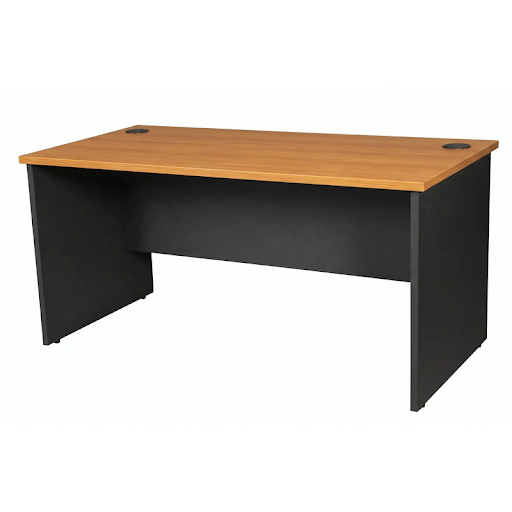
In recent years, the standing desk has become increasingly popular in workplaces and home offices. With growing awareness about the health risks associated with prolonged sitting, more employees and companies are turning to this innovative solution. Choosing the right standing desk can not only help improve wellbeing but also boost workplace productivity.
The Importance of Standing Desks
Sitting for extended periods can contribute to various health issues, including obesity, cardiovascular disease, and musculoskeletal problems. Standing desks allow users to alternate between sitting and standing, thereby encouraging movement and reducing the potential negative effects of a sedentary lifestyle.
Health Benefits
Standing more during the day can improve posture, decrease back pain, and increase energy levels. These factors combined lead to an overall improvement in health, potentially reducing the likelihood of developing chronic conditions associated with sitting for long durations.
Productivity Gains
In addition to health benefits, standing desks can also lead to increased productivity. Studies have shown that standing more can improve mood and energy, which may increase focus and efficiency. As a result, employees using standing desks often report higher levels of job satisfaction and productivity.
Selecting the Right Standing Desk
Choosing the appropriate standing desk is crucial for maximising the benefits. Consider factors such as adjustability, space requirements, and the nature of your work. An adjustable desk allows seamless transition between sitting and standing, which is essential for comfort and convenience.
Determine the Right Fit
When selecting a standing desk, it is important to consider the height and whether it can be adjusted to suit different users. A desk that is too high or too low can result in discomfort and negate the benefits of switching to a standing desk.
Space Considerations
Ensure that the desk fits well within the designated area. Measure the available space and compare it with the desk’s dimensions to prevent overcrowding. Additionally, consider cable management solutions to maintain a tidy workspace.
Desk Functionality
Evaluate the desk’s functionality to meet your work requirements. Desks with built-in storage, cable management systems, and ease of adjustment contribute significantly to a functional workspace.
Implementing Standing Desks in the Workplace
Integrating standing desks in a workplace setting requires thoughtful planning. Employers should consider conducting ergonomic assessments to ensure proper desk set-up for all users. This may involve consulting with ergonomics specialists.
Training and Adaptation
Providing training on the correct use of standing desks further assists employees in adapting to this new work setup. It is important to educate users about the proper posture while standing and the importance of taking periodic breaks.
Creating a Culture of Movement
Encouraging a culture of movement in the workplace can substantially benefit overall employee health and productivity. Employers can promote standing meetings, encourage short walks, and facilitate regular movement breaks.
Essential Accessories
To maximise the benefits of a standing desk, consider additional accessories such as anti-fatigue mats, monitor arms, and ergonomic chairs. These accessories support a comfortable transition between sitting and standing and aid in maintaining an ergonomic posture.
Anti-Fatigue Mats
Anti-fatigue mats can help reduce strain on legs and feet while standing, allowing users to stand for longer durations without discomfort.
Monitor Arms
Monitor arms facilitate the correct positioning of screens at eye level, reducing neck strain and promoting better posture.
Ergonomic Chairs
When seated, the use of ergonomic chairs ensures proper support for the spine and encourages good sitting posture, complementing the standing desk setup.