
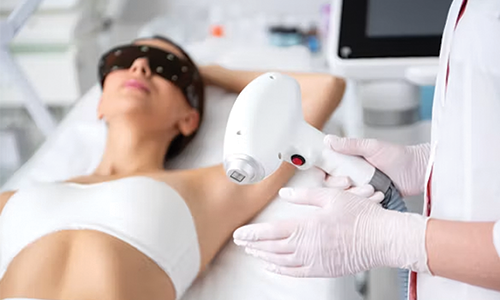
Laser skin resurfacing is a cutting-edge cosmetic procedure designed to improve the texture and appearance of the skin. This treatment utilises advanced laser technology to remove damaged outer layers of skin, promoting the growth of new, healthier skin cells. It is widely recognised for its effectiveness in reducing wrinkles, scars, and pigmentation irregularities.
Understanding Laser Skin Resurfacing
The process of laser skin resurfacing involves directing concentrated beams of light at the skin. These beams precisely target areas of concern, stimulating collagen production and encouraging skin regeneration. The result is smoother, firmer, and more youthful-looking skin.
One of the most popular methods available is laser skin resurfacing, which uses fractional laser technology. This technique treats only a fraction of the skin at a time, allowing for quicker healing and reduced downtime compared to traditional laser treatments.
Benefits of Laser Skin Resurfacing
Laser skin resurfacing offers numerous benefits, including the reduction of fine lines and wrinkles, improvement in skin tone and texture, and minimisation of acne scars and sun damage. It can also address pigmentation issues such as age spots and melasma, providing a more even complexion.
Additionally, this procedure is suitable for various skin types and can be customised to meet individual needs, making it a versatile option for many patients seeking skin rejuvenation.
Procedure Details
Before undergoing laser skin resurfacing, patients typically have a consultation to assess their skin condition and discuss treatment goals. During the procedure, local anaesthesia or topical numbing agents are applied to ensure comfort.
The laser is then carefully applied to the targeted areas, with the duration of the treatment depending on the size and severity of the skin concerns. Most sessions last between 30 minutes to an hour.
Recovery and Aftercare
Post-treatment, patients may experience redness, swelling, and mild discomfort, which generally subside within a few days. It is crucial to follow aftercare instructions provided by the clinic, including avoiding sun exposure and applying recommended moisturisers and sunscreens.
Healing times vary, but most individuals can resume normal activities within a week. The full benefits of laser skin resurfacing become more apparent as the skin continues to heal and regenerate over several weeks.
Who Is a Suitable Candidate?
Ideal candidates for laser skin resurfacing are those with skin concerns such as wrinkles, scars, uneven pigmentation, or sun damage who are seeking non-surgical rejuvenation options. It is important that candidates have realistic expectations and understand the recovery process.
Consultation with a qualified practitioner is essential to determine suitability and to tailor the treatment plan accordingly.
Risks and Considerations
While laser skin resurfacing is generally safe, there are potential risks including infection, changes in skin pigmentation, and scarring. These risks are minimised when the procedure is performed by experienced professionals and when patients adhere to pre- and post-treatment guidelines.
Conclusion
Laser skin resurfacing represents a highly effective solution for individuals seeking to enhance their skin’s appearance and address various dermatological concerns. With advancements in technology such as fractional lasers, patients can benefit from improved outcomes and reduced recovery times.
For those interested in exploring this option, consulting with a reputable clinic specialising in laser treatments is the recommended first step towards achieving healthier, rejuvenated skin