
Traveling through Brazil offers an unforgettable mix of vibrant culture, lush rainforests, and world-famous beaches. Exploring Brazil in 2026 doesn’t have to drain your savings. By strategically planning your itinerary, taking advantage of shoulder seasons, and utilizing local transportation, you can experience all the iconic sights without the luxury price tag.
Whether you are aiming to hike through the Tijuca National Park, marvel at the sheer power of Iguazu Falls, or soak up the sun in Rio de Janeiro, a well-planned budget strategy ensures you capture the essence of Brazil. This guide breaks down the essential costs, money-saving tips, and optimized routes for backpackers and mid-range travelers looking to make the most of their 2026 Brazilian adventure.
What is the daily budget for backpacking in Brazil in 2026?
For 2026, the projected daily budget for a backpacker in Brazil ranges from R$200 to R$300, which is roughly $40 to $60. This tier covers:
- staying in hostel dorms in popular areas like Botafogo or Santa Teresa
- enjoying local street food
- utilizing public transportation such as metros and buses
- focusing on free activities like beach lounging and hiking
If you prefer a bit more comfort, a mid-range budget will require about R$400 to R$600 per day, or $80 to $120. This allows for private rooms or Airbnbs, dining at casual local restaurants, occasional taxi rides, and incorporating more paid tours into your itinerary.
Accommodation typically consumes a significant portion of the budget, with budget hostels costing between R$80 and R$150 per night, while mid-range hotels run from R$250 to R$450. To stretch your funds further, traveling during the shoulder seasons of March to May and August to November can reduce accommodation costs by an impressive 30 to 40 percent.
How can you stay connected in Brazil without expensive roaming fees?
Maintaining reliable internet access is crucial for navigating foreign cities, translating Portuguese phrases on the go, and booking last-minute bus tickets. However, traditional international roaming plans can quickly devour your travel budget. Modern travelers use digital solutions to avoid exorbitant roaming rates and airport SIM card kiosks. By adopting newer cellular technologies, you can secure affordable, high-speed data across Brazil’s diverse landscapes, from the bustling streets of São Paulo to the remote coastal towns, ensuring you remain connected without the financial strain.
Why is an eSIM for Brazil the best choice for travelers?
Purchasing an eSIM for Brazil is the most efficient way to guarantee seamless internet connectivity upon landing. This digital alternative eliminates the hassle of physical SIM swaps and provides instant activation, allowing you to bypass long queues at local telecom shops. With tailored data plans and packages specifically designed for Brazilian networks, travelers can enjoy uninterrupted access to maps, ride-sharing apps, and translation tools. Compatible with most smartphones, eSIMs let you proactively manage data and avoid hidden roaming charges anywhere in the country.
How does global eSIM technology save you money on the road?
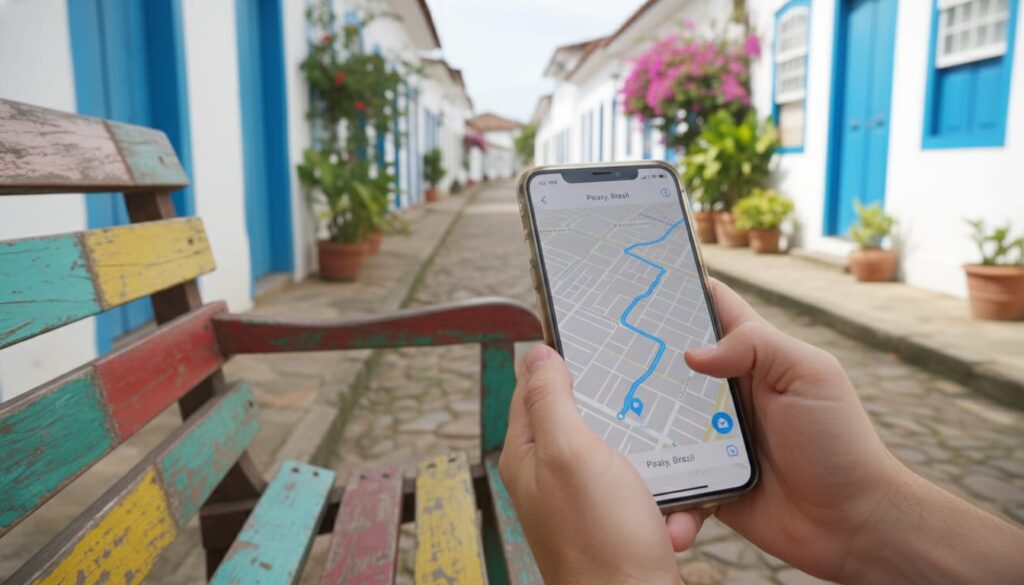
Beyond just a single country, global data plans offer roaming-free international connectivity that adapts to your dynamic itinerary. Modern technology automatically connects users to the strongest local signal without high daily fees. For instance, solutions like Amigo eSIM allow travelers to get online instantly across more than 190 countries, leveraging their intuitive mobile app for lightning-fast setup.
By offering transparent pricing with plans starting at very accessible rates, these digital alternatives ensure that you only pay for the data you actually need.
What are the must-see highlights in Rio de Janeiro on a budget?
Rio de Janeiro is the perfect starting point for a Brazilian adventure. A typical three-day weekend in Rio can be managed on a budget of R$1,050 to R$1,440 by balancing paid attractions with completely free activities. You cannot visit Rio without seeing its most iconic UNESCO landmarks: Christ the Redeemer and Sugarloaf Mountain. In 2026, train tickets to the Christ statue cost roughly R$106, while the Sugarloaf cable car is priced around R$170.
Savvy travelers can save money by booking these tickets in advance on official websites or by choosing to hike up to the Christ statue to save on train fares. Offset expenses with free and low-cost activities, such as:
- relaxing at Copacabana and Ipanema beaches
- hiking the free trails in Tijuca National Park
- enjoying the vibrant nightlife around Arcos da Lapa
How do you explore the Amazon rainforest affordably?

The Amazon rainforest is surprisingly accessible for budget travelers. The most cost-effective strategy is to book a budget domestic flight to Manaus, which serves as the primary gateway to the jungle. Instead of booking expensive all-inclusive luxury eco-lodges, look for community-run tours and simple guesthouses.
These operators charge R$100 to R$200 per day and offer immersive experiences such as:
- canoeing down the Rio Negro
- trekking through dense foliage
- spotting native wildlife like pink river dolphins, howler monkeys, and caimans
Taking cheap boat charters from Manaus or Belém also allows you to navigate the vast river network affordably, ensuring you experience the raw beauty of the Amazon and visit Indigenous villages while directly supporting the local economy.
Which coastal areas and waterfalls offer the best value?
Beyond the major cities, Brazil’s natural wonders and coastal towns offer spectacular experiences at a fraction of the cost. A popular backpacking route starts in Rio and heads south to the Mata Atlântica regions, including the colonial town of Paraty and the pristine island of Ilha Grande, where you can enjoy free coastal hikes and cheap ferry rides. Further south, Florianópolis is a haven for surfers and budget travelers, boasting powdery beaches, affordable seafood, and excellent hostel infrastructure.
For waterfall enthusiasts, Foz do Iguaçu is a must-see, with national park entry fees remaining very reasonable at around R$80. Overnight buses save on transport and accommodation, allowing you to affordably explore inland gems like Ouro Preto in Minas Gerais. This UNESCO town is famous for its baroque churches and free viewpoints. Alternatively, heading to Chapada Diamantina allows you to hike to the towering Cachoeira da Fumaça waterfall and swim in the Poço Azul pools for minimal entry fees, making it a paradise for nature lovers on a tight budget.
When is the cheapest time to visit Brazil?
Timing your trip correctly reduces overall travel expenses. As mentioned, the shoulder seasons (March-May, August-November) are the cheapest times to visit.
While experiencing the world-famous Carnival in Rio de Janeiro is an incredible event, it coincides with the peak summer season when hotel rates skyrocket and crowds are at their largest. By planning your itinerary outside of the major holidays and the busy summer months, you not only secure better deals on flights, hostels, and long-distance buses, but you also enjoy a more relaxed atmosphere at major tourist attractions.