
Short-form dramas have quietly become one of the most watched formats on the internet. Vertical episodes that run only a minute or two now pull millions of views, and creators who once needed a full crew are producing entire series alone. The question many of them ask is simple: can a piece of software really replace the camera, the set, and the editing suite? The honest answer is that an AI movie generator will not think up your story for you, but it can shoulder almost everything that happens after the idea lands. This guide walks through what these tools actually do, where they save the most time, and how to keep quality high when the machine handles the heavy lifting. If you have ever abandoned a script because production felt impossible, the landscape has shifted more than you might expect.
What a Short Drama Really Demands
A short drama lives or dies on pacing. Viewers decide within seconds whether to keep scrolling, so every frame has to earn its place. That pressure makes traditional production painful: you shoot far more footage than you use, you wait on locations and lighting, and you spend hours trimming a scene down to the beats that matter. The format rewards volume too. Audiences binge episodes and then expect the next one quickly, which means a single creator can burn out long before a series finds its rhythm.
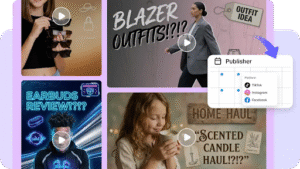
This is where automation changes the math. When you can generate scenes from a written description, the cost of trying an idea drops to almost nothing. A modern ai movie generator lets you type a scene, preview it, and reshape it in minutes rather than days. You are no longer betting a full shoot day on whether a concept works. You test it, keep what lands, and discard the rest without regret.
How the Generation Process Actually Works
Most people picture a single button that spits out a finished film. The reality is more collaborative, and understanding the flow helps you use it well. You usually begin with a script or a scene outline, then guide the tool through the visual choices that turn words into moving images.
From Script to Scene
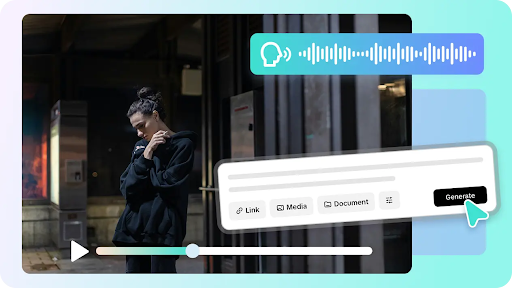
The starting point is text. You describe who is in the scene, where it happens, and what emotional note it should hit. The clearer that description, the closer the first result lands to your intent. Vague prompts produce generic footage, so treat the prompt like stage direction: name the mood, the framing, and the action. From there the tool interprets your words into characters, backgrounds, and camera movement that you can accept or send back for another pass.
Shaping Performance and Voice
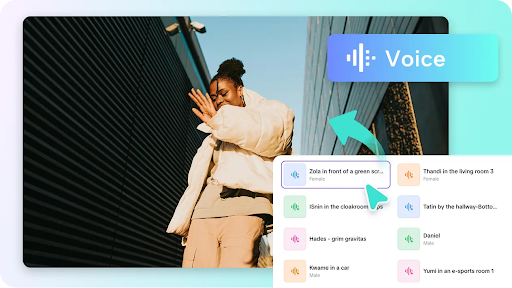
Dialogue carries a short drama, and this is where the newest tools have leapt forward. You can assign voices to characters, adjust delivery so a line reads as anxious or defiant, and sync speech to on-screen movement. Because you control tone at the line level, you can keep a consistent personality across an entire episode. That consistency is what makes a synthetic character feel like a real recurring lead rather than a one-off render.
Where Creators Save the Most Time
The biggest gains rarely come from the parts you expect. Shooting is only one slice of production, and the tedious middle stretch is often what kills momentum. Automating it back is where a series becomes sustainable.
Reshoots vanish, for one. When a scene misses, you rewrite the prompt instead of gathering actors again. Continuity gets easier too, because you can lock a character’s appearance and reuse it across every episode without worrying about a changed haircut or a different jacket. And localization, once a luxury reserved for big studios, becomes a checkbox: the same episode can be revoiced into another language while the visuals stay untouched. For a solo creator chasing a global audience, that single capability can multiply reach without multiplying work.
Keeping Quality High When Software Does the Work
Speed means nothing if the result looks cheap, so the craft shifts rather than disappears. Your job moves from operating equipment to directing decisions. A few habits separate polished output from obviously synthetic clips.
Write for contrast. Scenes that change location, lighting, or emotional temperature keep viewers alert, and generated footage handles those shifts effortlessly. Watch your cut points as closely as you would with real footage, because pacing problems survive any production method. Above all, protect a consistent visual identity across episodes so returning viewers recognize your series instantly. The tool supplies the pixels, but taste still comes from you.
Common Pitfalls to Sidestep
New users tend to stumble in predictable places. The first is over-describing, cramming a prompt with so many details that the tool loses the through-line and delivers a muddled scene. Start simple and layer refinements. The second is ignoring sound design, since generated visuals can look sharp while flat audio quietly undermines them. The third, and most damaging for a drama, is neglecting story structure because the technology feels so effortless. A frictionless pipeline can tempt you to skip the outline, but a weak script renders beautifully and still fails to hold anyone. Treat the ease as a chance to iterate on writing, not an excuse to abandon it.
The Real Verdict on Automated Short Dramas
So can software actually bring your short drama to life? Yes, provided you understand what it does and does not replace. It removes the logistical barriers that stop most stories before they start, collapsing days of shooting and editing into an afternoon of directed iteration. What it hands back to you is time and reach, not creativity itself. The stories, the pacing, and the emotional truth remain your responsibility. Creators who lean into that division of labor are shipping full series at a cadence that would have been unthinkable a few years ago, and they are reaching audiences in languages they never planned for. If a finished episode has been stuck in your head because production felt out of reach, the barrier you remember may no longer be there. Start with one scene, judge the result honestly, and build from what works.