
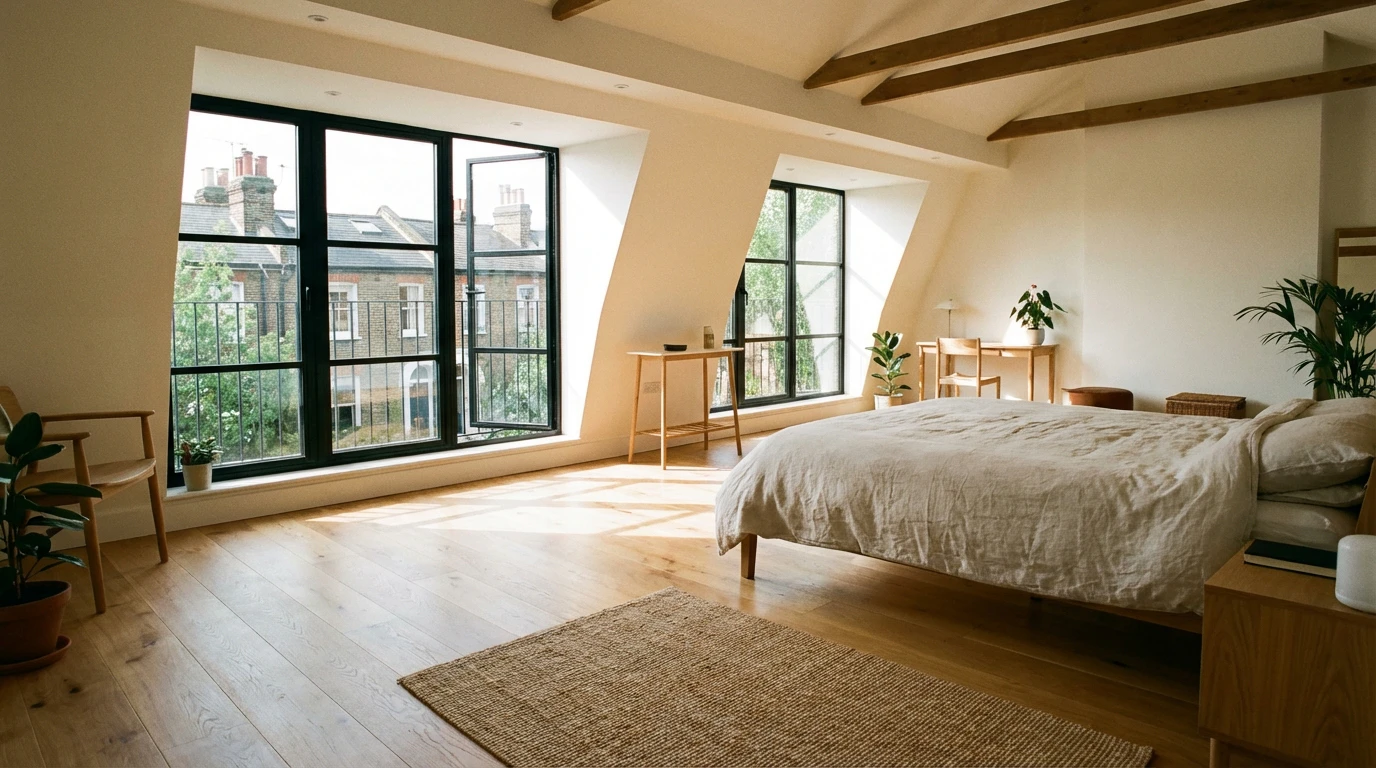
Most London homeowners sit on unused space and don’t even realise it. That empty loft above your head? It could be a bedroom, a home office, or even a rental unit. And the best part is, a loft conversion often costs far less than moving to a bigger property. If you’ve been thinking about making better use of your home, this is where you start.
At Extension Architecture, a London based architecture practice, we’ve helped hundreds of homeowners turn their lofts into functional, beautiful spaces. We understand the local planning rules, building regulations, and budget concerns that come with every project. This guide walks you through what makes a loft conversion in London affordable, what to expect from the process, and how to get the most value from your investment.
Why Loft Conversions Make Sense in London
Property prices in London keep climbing. For many families, buying a bigger home just isn’t realistic. A loft conversion gives you extra living space without the stress of relocating. You stay in your neighbourhood, keep your kids in the same school, and avoid stamp duty on a new purchase.
On average, a well done loft conversion can add up to 20% to your property’s value. That’s a solid return. And because the structure already exists, you’re not building from scratch. The walls, the roof, the foundation — they’re already there. You’re just making better use of them.
It also means less disruption compared to other types of extensions. There’s no digging, no groundwork, and in many cases, no need for planning permission either.
Types of Loft Conversions and Their Costs
Not every loft conversion is the same. The right type depends on your roof structure, your budget, and how much space you want to gain.
A Velux conversion is the most affordable option. It uses roof windows and doesn’t alter the shape of your roof. It works well if you already have enough head height. Costs for this type usually start around £30,000 to £45,000 in London.
A dormer conversion is the most popular choice. It extends outward from the slope of the roof, giving you more floor space and full standing height. Expect to pay somewhere between £45,000 and £65,000, depending on size and finish.
Then there’s the L shaped dormer and mansard conversion, which are more complex and more expensive. These suit terraced or semi detached homes where maximum space is needed. Budgets here can go from £55,000 up to £80,000 or more.
Every project is different though. Material choices, structural requirements, and your location within London all affect the final number.
Do You Need Planning Permission?
Here’s some good news. Many loft conversions fall under permitted development rights, which means you might not need to apply for planning permission at all. There are conditions of course — volume limits, height restrictions, and rules about how far the extension can project from the existing roof.
But if your home is in a conservation area or it’s a flat or maisonette, the rules can be stricter. It’s always worth checking with your local council or speaking with an architect who knows London boroughs well.
We always recommend getting a lawful development certificate, even when planning permission isn’t required. It protects you down the line, especially when you come to sell the property.
Picking the Right Team for Your Project
A loft conversion involves architecture, structural engineering, building control, and construction. That’s a lot of moving parts. One of the biggest mistakes homeowners make is hiring separate firms for each stage. It leads to miscommunication, delays, and budget overruns.
Working with a design and build company can simplify the whole thing. You get one team that handles everything from initial drawings through to the final build. It keeps the project on track and on budget.
Look for a team with proven experience in London loft conversions. Ask for case studies. Visit completed projects if you can. And always get a detailed written quote before committing.
What to Expect During the Build
A typical loft conversion takes around 8 to 12 weeks once construction begins. The design and approval stage can add another 4 to 8 weeks before that, depending on whether you need planning permission.
During construction, most of the work happens from the top of the house. Scaffolding goes up, and the crew works mainly in the loft area. You can usually stay in your home throughout, though expect some noise and dust.
A good contractor will keep you updated weekly and flag any issues early. No project goes perfectly smooth, but clear communication makes all the difference.
Getting the Most From Your Budget
If affordability is a priority, focus on what adds real value. A well insulated, properly lit loft bedroom with an en suite bathroom is one of the best investments you can make in a London home. You don’t need luxury fittings to get a great result.
Choose materials that are durable but not over the top. Spend wisely on insulation, windows, and waterproofing — these are the things that matter most long term. You can always upgrade finishes later.
And don’t skip on the design stage. Good architectural drawings save money during construction because the builder knows exactly what to do. Fewer surprises on site means fewer extra costs.