
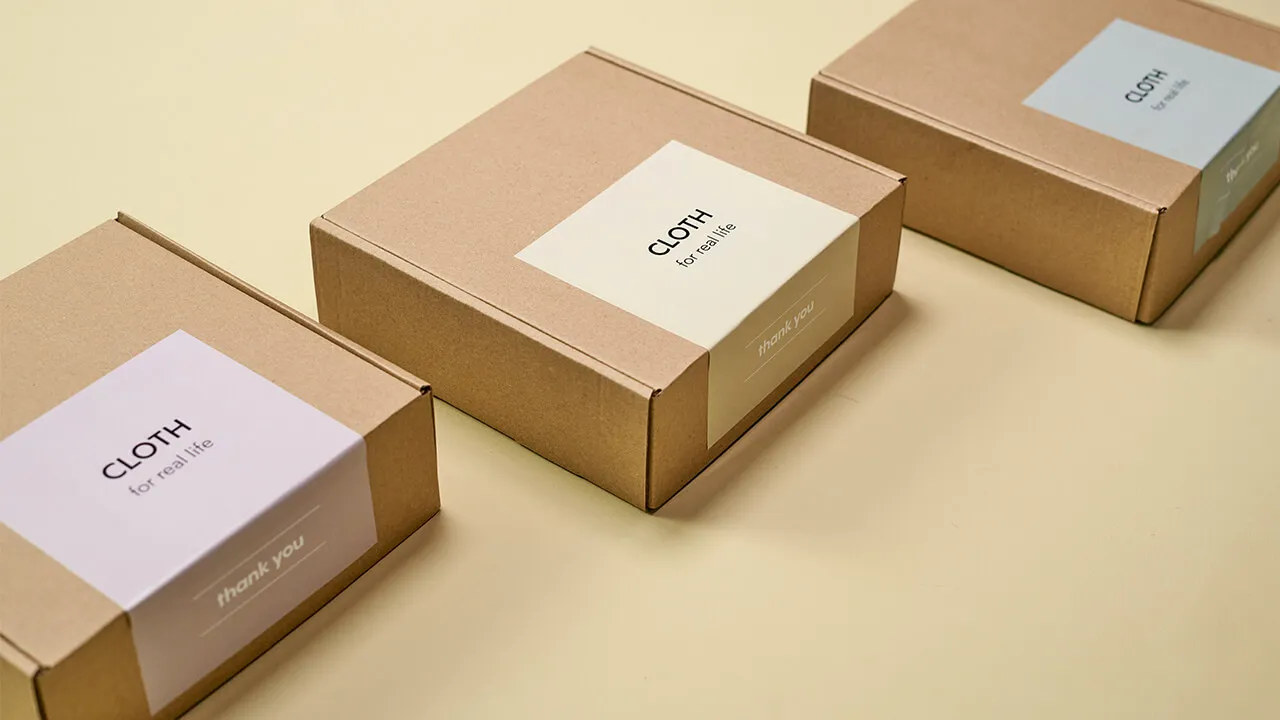
When a customer opens a package, the product itself is only part of what they receive. The materials inside the box — instruction sheets, warranty cards, care guides, thank-you notes — shape how they feel about the brand before they’ve even used what they bought. Most companies treat these materials as an afterthought, something to satisfy regulatory requirements or answer basic assembly questions. That’s a missed opportunity that shows up later in customer retention numbers.
Repeat purchase rates are rarely driven by advertising alone. They’re built through accumulated experiences — and the unboxing moment is one of the first real touchpoints a brand controls after the sale. What’s printed on the paper inside that box communicates care, competence, and intent. Done poorly, it erodes trust. Done well, it sets the stage for a second order.
This article looks at seven specific ways that thoughtfully produced in-box printed materials drive repeat purchases, with examples from brands that have put this into practice.
1. They Set Accurate Expectations Before the First Use
One of the most common reasons customers don’t return is a mismatch between what they expected and what they experienced. That gap rarely comes from a bad product — it comes from unclear communication at the point of first contact. Custom product inserts address this directly by giving customers the right information in the right order, before frustration has a chance to form.
Companies that invest in well-structured custom product inserts tend to see lower return rates and fewer customer service inquiries during the first week of ownership — both strong leading indicators of whether a customer will buy again.
Why Clarity at Onboarding Reduces Churn
A skincare brand selling a multi-step system learned this after tracking support tickets. A significant portion of returns came from customers who used products in the wrong order or at the wrong time of day. After redesigning their in-box instruction sheet to include a numbered daily routine with timing guidance, return rates dropped noticeably and subscription renewals improved. The product hadn’t changed — the communication had.
When customers succeed with a product on the first attempt, they associate that success with the brand. That association is what brings them back.
2. They Introduce the Full Product Line Without Feeling Like an Advertisement
A customer who buys one item from a brand often doesn’t know what else that brand offers. A well-designed insert can introduce related products in a way that feels informative rather than promotional, which makes a significant difference in how the suggestion is received.
The Difference Between Helpful and Pushy
The framing matters considerably. A kitchen tools brand that includes a card explaining how their cutting board pairs with their knife storage system is providing useful context, not running a promotion. That card might include a brief explanation of why the two products work together, written in the same calm voice as the rest of their packaging. A customer who feels like they’re being educated is more receptive than one who feels like they’re being sold to.
This approach respects the customer’s intelligence and earns more conversions over time than a discount code printed in large type with urgency language.
3. They Build Brand Identity Through Consistent Print Quality
Customers don’t consciously evaluate the paper weight or print resolution of an instruction sheet. But they register it. Low-quality printing — faded text, misaligned columns, paper that tears when unfolded — signals that a brand doesn’t pay attention to detail. That signal extends to how customers think about the product itself.
Print Quality as a Proxy for Product Quality
A premium pet supplement company repositioned their brand and updated their packaging accordingly. The product formula hadn’t changed, but the new insert — printed on heavier stock with clean typography and consistent brand colors — contributed to a measurable increase in subscription sign-ups. Customers reported feeling more confident in the product’s quality, even before they saw results. The visual consistency between the box, the bottle label, and the insert reinforced the impression that this was a serious company making a serious product.
This kind of brand coherence doesn’t happen by accident. It requires the same attention to the printed materials inside the box as to everything visible on the outside.
4. They Provide Post-Purchase Support Without Requiring Digital Access
Not every customer wants to scan a QR code, visit a support page, or watch a tutorial video. Older demographics, customers in low-connectivity environments, and people who simply prefer reading on paper all benefit from a well-written physical insert that answers the most common questions.
When Physical Documentation Solves Real Problems
A power tool manufacturer that sells through hardware chains found that customers in rural markets had significantly higher return rates than urban buyers. After surveying that segment, they discovered many customers couldn’t reliably access the manufacturer’s online support portal. When the company revised their in-box documentation to include more complete troubleshooting guidance — not just setup instructions — returns from that segment declined and reorder rates on consumable accessories increased.
According to research published by the Pew Research Center, a meaningful portion of American adults still lack reliable broadband access, which means physical documentation isn’t a legacy format — it’s an active channel for a real portion of most consumer bases.
5. They Create a Moment of Emotional Connection That Digital Communication Can’t Replicate
Email confirmations and app notifications are expected. A handwritten-style thank-you note or a brief personal message printed inside a box is not — and that contrast matters. Customers who feel acknowledged as individuals, rather than processed as transactions, are more likely to return.
Personalization That Scales
A specialty food company selling regional hot sauces began including a small printed card describing the origin story of each flavor, including which farm the peppers came from and who grew them. The cards weren’t expensive to produce and didn’t add significant weight to the package, but customers began photographing them and sharing them on social media. Repeat purchase rates among first-time buyers increased substantially in the months after the change. Customers weren’t just buying hot sauce — they were participating in something they wanted to come back to.
This works because the insert occupies physical space in a customer’s home for days or weeks. An email is dismissed in seconds. A card sitting on a kitchen counter is a passive, ongoing brand impression.
6. They Support Product Registration and Loyalty Program Enrollment
Getting customers to register a product or join a loyalty program is one of the most direct ways to build a retention pipeline. Most brands push this entirely through email — which often arrives after the customer has already moved on from the purchase mentally. An in-box insert, present at the moment of highest engagement, is a more effective vehicle for this ask.
Timing the Ask Correctly
A home appliance brand studied when customers registered their products and found that registration rates were highest within the first 24 hours of receiving the package, not after receiving a follow-up email three days later. They redesigned their insert to lead with the registration prompt, placed prominently on the front panel, with a simple URL and a clear explanation of what the customer would receive in return: extended warranty coverage and access to replacement parts without proof of purchase. Registration rates increased and, because registered customers received maintenance reminders, long-term reorder rates on replacement filters improved.
The timing of the ask matters. When someone is holding the product and reading about it, they are as engaged as they will ever be. That’s the moment to invite them further into the brand relationship.
7. They Reduce Negative Reviews by Anticipating Common Frustrations
Negative reviews are expensive. They suppress conversion rates for new customers and are often written by buyers who had a preventable experience — something that a clearer insert could have resolved before it became a complaint. Brands that use in-box materials to preemptively address known friction points protect their reputation and their revenue simultaneously.
Turning Known Problems Into Trust-Building Moments
A furniture assembly company reviewed their one-star reviews over a 12-month period and identified that a substantial portion of complaints referenced a single assembly step that was described ambiguously in their existing documentation. After revising that section of their insert — adding a more detailed diagram and a short note acknowledging that this step catches most people — reviews mentioning assembly frustration declined. More importantly, repeat purchases among first-time buyers increased, because customers who successfully assembled the furniture without a difficult experience associated the brand with a smooth transaction.
Proactively managing the first-use experience through accurate, detailed printed documentation is one of the lowest-cost retention strategies available to product companies.
Closing Thoughts
Repeat purchase rates are the result of accumulated decisions — some made months before a customer decides to order again. The materials inside a package influence that accumulation in ways that are easy to overlook precisely because they’re so close to the product itself.
What the examples in this article share is a common principle: customers return to brands that make them feel competent, informed, and respected. Printed inserts, instruction sheets, and in-box documentation are not incidental to that goal — they are one of the most direct tools for achieving it. They arrive at the right moment, occupy physical space, and communicate in a format that doesn’t require a screen, a subscription, or a signal.
Brands that treat in-box printed materials as a strategic element — rather than a compliance requirement — tend to find that small investments in print quality, clear writing, and thoughtful sequencing produce measurable returns over time. The mechanism is straightforward: customers who succeed with a product, understand a brand, and feel acknowledged as individuals come back. The insert in the box is often the first place that relationship either forms or fails.