
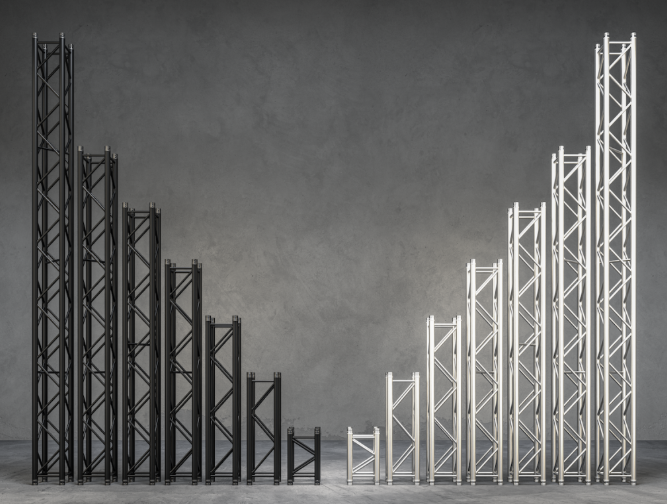
When planning an event or constructing a stage setup, selecting the appropriate box truss is essential for ensuring both stability and aesthetic appeal. Box trusses serve as a fundamental structural component widely used in the entertainment and exhibition industries to support lighting, sound equipment, and staging elements. For those seeking high-quality trusses for sale, understanding box truss basics is crucial to make an informed decision tailored to specific requirements.
Understanding Box Truss
A box truss is a square or rectangular hollow frame constructed from interconnected aluminium or steel tubes. This geometric design provides strength and rigidity while remaining relatively lightweight, making it ideal for portable and permanent installations. Box trusses are commonly deployed in concert lighting rigs, trade show displays, and temporary stage structures.
Key Factors in Choosing a Box Truss
Several factors influence the selection of the right box truss, including load capacity, span length, weight, and compatibility with existing equipment. Truss components must be chosen to support the intended loads safely without excessive sagging or deformation. Selecting trusses that meet or exceed the required specifications helps ensure safety compliance and structural integrity.
Load Capacity and Weight Considerations
It is imperative to assess the total weight of equipment, such as lighting fixtures, speakers, and video screens, that the box truss will support. Manufacturers provide load ratings that indicate the maximum weight each truss configuration can sustain. It is advisable to choose a box truss with a capacity exceeding the estimated load to allow for a safety margin.
Span Length and Modular Configurations
The span length reflects the distance between two support points. Longer spans require trusses with larger cross-sections or additional reinforcement. Modular box truss systems facilitate customizable configurations, promoting flexibility and ease of assembly. Utilising modular components from reputed suppliers like Transtage enables efficient adaptation to various event environments.
Materials and Finishes
Aluminium is the preferred material for box trusses due to its high strength-to-weight ratio and resistance to corrosion. Steel variants exist but are heavier and often require protective treatments to prevent rust. Finishing options, such as anodising or powder coating, enhance durability and provide aesthetic appeal in line with event themes or branding.
Compatibility and Accessories
Ensuring that the selected box truss integrates seamlessly with existing rigging hardware is critical. Connectors, clamps, and couplers must be compatible to guarantee safe assembly and operation. Additionally, accessories like hanging points and lighting mounts should be considered during the selection process to optimise functionality.
Portability and Ease of Assembly
For events requiring rapid setup and teardown, the weight and handling characteristics of the box truss are paramount. Lightweight aluminium trusses that include user-friendly fixtures can significantly reduce labour time and costs. Supplier provisions of detailed assembly guides and support enhance overall efficiency in deployment.
Durability and Maintenance
Durability is a vital consideration, particularly for equipment subjected to frequent transportation or outdoor exposure. High-quality trusses from established providers typically offer robust construction that withstands repeated use. Routine inspection and maintenance prolong service life and ensure ongoing safety.
Cost Factors
Budget constraints play a role in box truss selection; however, cost alone should not compromise safety or performance. Investing in trusses from reputable companies balances affordability with quality assurance. In addition to purchase price, consider potential savings related to ease of installation, maintenance, and longevity.
Consultation and Support Services
Professional consultation from suppliers such as box truss specialists is invaluable. Expert guidance ensures that all technical parameters are met and that the chosen system aligns with the specific operational context. Custom solutions may also be available to address unique requirements.
Conclusion
Choosing the right box truss for an event or installation involves careful consideration of technical specifications, compatibility, and logistical factors. By selecting appropriately rated, high-quality systems, organisers can achieve dependable support structures that enhance safety and operational efficiency. Resources provided by industry leaders like Transtage offer a comprehensive range of truss options and professional assistance, streamlining the selection process and contributing to successful event execution.