
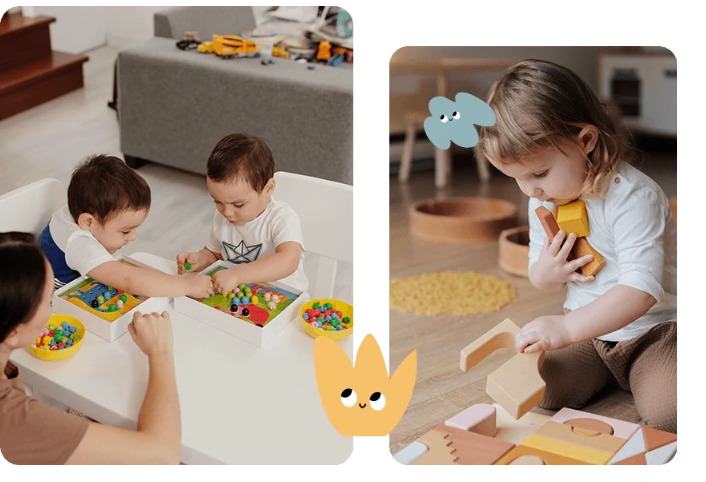
Providing nurturing environments is fundamental in supporting early childhood development. Children benefit immensely from spaces that foster growth, learning, and emotional security. Recognising this, Shared Beginnings delivers exceptional care designed to promote holistic development in young children.
One way to ensure supportive environments is by choosing the right facility, such as Beaumaris daycare. Such specialised centres prioritise each child’s needs, offering well-structured programs and surroundings tailored to various developmental stages.
Importance of Nurturing Environments
Nurturing environments significantly influence a child’s emotional, cognitive, and social development. They provide a sense of safety and belonging that allows children to explore, engage, and develop self-confidence. When children feel supported, they are more likely to thrive academically and socially in later stages of life.
Key Elements of a Supportive Early Childhood Setting
Creating a nurturing environment requires several essential components. Firstly, physical safety is paramount. Spaces must be clean, secure, and designed with children’s developmental needs in mind.
Secondly, access to age-appropriate learning materials encourages natural curiosity and invention. Sensory toys, books, and creative tools aid cognitive and motor skill development.
Additionally, responsive adults who are trained to recognise individual needs and behaviours help foster emotional growth. Their attentive interactions build trust and help children regulate their emotions effectively.
Role of Educators and Caregivers
Educators play a vital role in shaping nurturing environments. Their qualifications and ongoing training ensure they understand child development principles and best practices. Shared Beginnings’ team, for instance, is committed to offering personalised attention to each child, reinforcing positive behaviours and encouraging independence.
The presence of consistent caregivers adds stability, which is crucial during early years. Familiar faces provide reassurance and contribute to secure attachment, which is the foundation for healthy psychological development.
Emotional and Social Development Support
It is essential to promote emotional intelligence by encouraging children to communicate feelings clearly and develop empathy. Activities that promote cooperation and sharing guide children in learning appropriate social behaviours.
Nurturing environments also facilitate the development of self-regulation by offering routines and predictable schedules. Structured times for meals, play, rest, and learning contribute to a child’s sense of security.
Physical Environment Considerations
Outdoor play spaces equipped with age-appropriate equipment aid gross motor skills. Exposure to natural elements further enhances sensory experiences. Indoor spaces should also be flexible to accommodate various activities such as storytelling, music, and free play.
Space must be organised to promote autonomy, allowing children to select activities independently. This encourages decision-making and confidence.
Parental Involvement and Collaboration
Collaborative partnerships between caregivers and parents enrich the nurturing environment. Sharing observations and strategies supports consistency between home and childcare settings.
Parents should be encouraged to engage with educators and participate in decisions affecting their child’s care and learning, ensuring individual needs are met comprehensively.
Long-Term Benefits of Nurturing Early Care
Environments that prioritise care and development during early years contribute to better academic outcomes, improved mental health, and social competence in the long term. Positive early experiences form the basis for lifelong learning and adaptability.
Furthermore, children develop foundational skills that allow them to manage future challenges effectively and build constructive relationships within their communities.
Conclusion
Creating nurturing environments requires intentional design, qualified educators, and a holistic approach to early childhood development. Providers like Shared Beginnings demonstrate how to implement such environments successfully, supporting each child’s growth with care and professionalism.
By selecting high-quality services such as beaumaris daycare, parents can rest assured their children are nurtured in safe, stimulating surroundings that meet developmental needs comprehensively.