
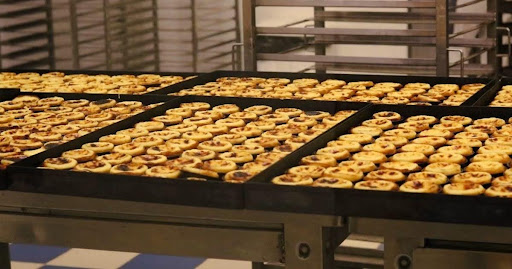
Every bakery runs on tight margins. Ingredient costs shift, skilled staff are hard to find, and customers expect the same loaf every time they buy it. In this setting, efficiency isn’t about rushing. It’s about getting consistent output from the same hours, ingredients and floor space.
Bakery machines sit at the centre of that goal. The right equipment takes on repetitive work, keeps quality steady and reduces the waste that quietly eats into profit. So where in the process do machines make the biggest difference, and how do they turn the same shift into higher output?
Automation Frees Staff for Skilled Work
Dividing, shaping, depositing and slicing can all be done by hand, but they take time and wear people out over a long shift. Automated dividers, moulders and depositors handle these jobs at a steady pace from the first batch to the last.
That doesn’t mean fewer bakers. It means bakers spend their time on work that needs judgement, such as developing products, checking quality and solving problems on the line. A test prover shows how this works: it holds dough at set temperature and humidity levels without constant checking, so developers can watch a new recipe rise while the rest of the team keeps production moving.
Automation also makes output easier to plan. When a machine runs at a known rate, managers can schedule shifts and orders with confidence.
Consistency Cuts Waste
Waste in a bakery rarely comes from one big mistake. It builds up from small variations: a batch mixed a minute too long, dough that proves unevenly, loaves that bake a shade too dark. Each one can mean product that falls outside spec.
Machines with programmable settings repeat the same mixing time, temperature and speed for every batch. A vacuum mixer goes a step further by controlling the pressure in the bowl, which keeps the amount of air in the dough, and with it crumb structure and volume, the same from one batch to the next. That repeatability keeps weight, texture and colour within tolerance, so fewer products are rejected at the end of the line.
Consistent output also protects a brand. Retail and wholesale buyers expect each delivery to match the last, and reliable equipment makes that an easier promise to keep.
Test Recipes Before They Reach the Line
Trialling a new recipe on full production equipment is one of the costliest habits a bakery can have. A failed run ties up the line, wastes large quantities of ingredients and delays orders that were already scheduled.
Test bakery equipment solves this by letting developers work at a smaller scale under the same conditions. A laboratory mixer replicates every process control feature of a full-scale production system, so a recipe developed on it behaves predictably when it moves to the main line. Handling batches between 10kg and 20kg, it gives developers room to adjust hydration, mixing time or ingredient ratios and see the results without stopping production.
Small-scale trials like these take much of the cost out of trial and error. When mixing and proving settings are confirmed before scale-up, the production team receives a recipe that already works, and new products reach the shelf with fewer false starts.
Match Equipment to Real Demand
Efficiency also depends on sizing. An oversized mixer running half-empty batches wastes energy and floor space. An undersized one forces extra cycles and creates bottlenecks further down the line.
Before investing, compare current output with planned growth. Look at batch sizes, shift patterns and the products that make up the bulk of orders. Equipment matched to real demand runs close to its designed capacity, which is where it performs best and costs least per unit produced.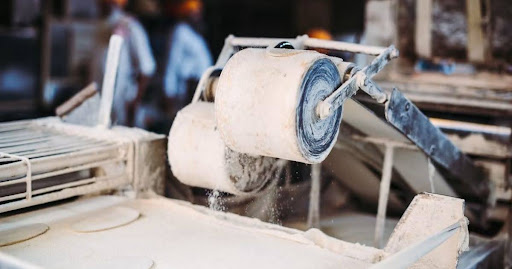
Plan Maintenance to Avoid Downtime
Unplanned downtime is one of the quickest ways to lose a day’s output. A mixer that fails mid-shift can halt every process that depends on it, from proving to packing. Scheduled servicing, routine cleaning and a stock of common spare parts keep machines running when they’re needed.
Many modern machines also log faults and running hours, which helps engineers spot wear before it turns into a breakdown. Working with a supplier that offers technical support shortens recovery time when something does go wrong.
Build Efficiency Into Every Stage of Production
Bakery machines improve efficiency in several connected ways. They take on repetitive tasks, keep quality consistent, lower the cost of developing new products and keep the line running with fewer interruptions.
The real gains come from treating equipment as part of a wider production plan. Bakeries that size machines to actual demand, test recipes before scaling up and service equipment on a schedule get a better return from every shift.