
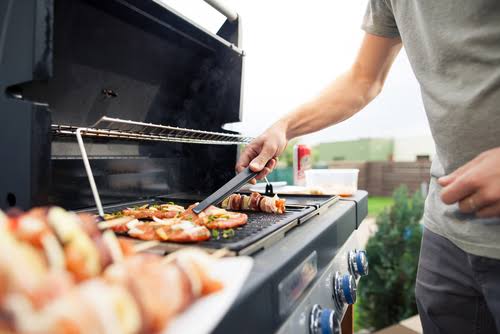
Outdoor cooking can turn an ordinary meal into an enjoyable experience with family and friends. Among the different types of outdoor cooking equipment available, a propane grill is a popular choice because it offers convenience, controllable heat and relatively quick preparation. Whether you are planning weekend barbecues, family dinners or casual gatherings, choosing the right grill and learning how to use it properly can make outdoor cooking easier and more enjoyable.
From selecting the right size to understanding temperature control and cleaning requirements, there are several factors worth considering before investing in a propane grill.
What Is a Propane Grill?
A propane grill uses liquid propane as its fuel source. Propane is supplied from a suitable cylinder and delivered to burners beneath the cooking surface.
When the burners are ignited, they produce heat that warms the cooking grates. Depending on the design, a grill may have multiple burners that can be adjusted independently.
This arrangement gives cooks greater control over cooking temperatures. Different areas of the grill can sometimes be maintained at different heat levels, which is useful when preparing several foods at the same time.
Consider the Grill Size
One of the first decisions to make is the size of the grill. Bigger is not always better, particularly if you have limited patio or balcony space.
A compact grill can be suitable for a small household and occasional outdoor meals. Larger models provide more cooking space and may be preferable for families who regularly entertain guests.
Think about the number of people you normally cook for. Also consider where the grill will be stored and whether there is enough space around it for safe operation.
Measure the available area before purchasing. Remember to allow sufficient clearance around the grill rather than measuring only the footprint of the equipment.
Look at the Burner Configuration
Burners play an important role in how a propane grill performs. A grill with multiple burners can provide greater flexibility because individual burners can be adjusted according to the food being prepared.
For example, one section can provide stronger direct heat while another section operates at a lower temperature. This can be useful when cooking foods with different requirements.
When comparing grills, consider burner controls, heat distribution and the overall cooking surface rather than simply counting the number of burners.
Choose a Suitable Cooking Surface
Cooking grates are another important consideration. Materials and designs vary between grill models.
Cast-iron grates can retain heat effectively and may provide strong searing performance when properly maintained. Stainless-steel grates are also popular because they are durable and relatively straightforward to maintain.
Consider how often you intend to use the grill and the types of food you normally prepare. A suitable cooking surface should provide enough room for your typical meals while being practical to clean.
Check Temperature Controls
Good temperature control makes outdoor cooking much easier. Look for clearly marked controls that allow you to adjust individual burners.
A built-in thermometer can also be useful for monitoring the general temperature inside the grill. However, the displayed temperature may not always represent the exact temperature at the cooking surface, so experienced cooks often learn how their particular grill behaves.
Understanding temperature zones can improve results. Direct high heat is useful for certain foods that benefit from quick browning, while indirect or lower heat can be appropriate for slower cooking.
Prepare the Grill Before Cooking
Before using a new propane grill, read the manufacturer’s instructions carefully. Understanding the controls, ignition system and fuel connections is essential.
Place the grill on a stable, suitable outdoor surface and make sure the surrounding area is clear of flammable materials.
Before lighting the grill, check that the relevant controls and connections are in the correct condition according to the manufacturer’s instructions.
Preheating is generally an important step. Allowing the cooking surface to heat properly can improve cooking consistency and help reduce food sticking.
Plan Your Ingredients
Outdoor cooking becomes easier when ingredients are prepared before the grill is switched on.
Wash and cut vegetables, season meat and prepare sauces or marinades in advance. Keep raw and cooked foods separate during preparation.
Organising ingredients in advance also allows you to spend more time with guests rather than constantly returning indoors.
Use separate utensils and plates for raw and cooked foods to reduce the possibility of cross-contamination.
Learn to Use Different Heat Zones
One of the advantages of a multi-burner propane grill is the ability to create different cooking zones.
A direct-heat area can be used for foods that require stronger heat. A cooler area can be useful for temporarily moving food away from the strongest heat or for cooking items more gently.
This technique can be particularly helpful when preparing a complete meal. For example, vegetables may require different cooking conditions from burgers or chicken.
Experiment gradually with your grill to understand how quickly each area heats and how long it retains temperature.
Keep Food Safety in Mind
Food safety should always be a priority when grilling. Raw meat should be stored at appropriate temperatures before cooking and handled separately from ready-to-eat foods.
Use clean utensils and plates for cooked food. Never place cooked items on a surface that previously held raw ingredients unless it has been properly cleaned.
Different meats require different cooking times and safe internal temperatures. Follow recognised food-safety guidance and use a suitable food thermometer when appropriate.
Outdoor temperatures can also affect food storage. Perishable ingredients should not be left unrefrigerated for unnecessarily long periods.
Clean the Propane Grill Regularly
Regular cleaning helps maintain the grill and can improve the cooking experience.
After cooking, follow the manufacturer’s instructions for cleaning the grates and other accessible components. Remove food residue and grease buildup regularly.
The grease collection area should also be checked and cleaned according to the grill’s instructions.
Avoid using cleaning products or methods that are not recommended for your particular grill.
A clean cooking surface can help reduce unwanted buildup and makes the equipment more pleasant to use.
Inspect the Propane System
The propane supply system deserves careful attention. Check the cylinder, hose and connections according to the manufacturer’s recommendations.
If you smell gas, suspect a leak or notice damaged equipment, do not continue using the grill. Follow the manufacturer’s safety instructions and seek appropriate professional assistance.
Propane cylinders should be stored and handled according to applicable safety requirements. Keep them away from excessive heat and other potential hazards.
Never attempt to modify the fuel system or bypass safety components.
Protect Your Grill Between Uses
Outdoor equipment is exposed to changing weather conditions. A suitable grill cover can help protect the equipment from rain, dirt and environmental exposure when it is not being used.
Before covering the grill, make sure it has cooled appropriately.
If you live in an area with harsh weather conditions, consider whether seasonal storage or additional protection is appropriate.
Good maintenance can help preserve the appearance and functionality of the grill for longer.
Experiment With Outdoor Recipes
Once you become comfortable with your propane grill, there are countless meals you can explore.
Classic options include burgers, sausages, chicken and steaks, but grilling can go far beyond traditional barbecue dishes.
Vegetables such as peppers, onions, mushrooms, courgettes and sweetcorn can be grilled as side dishes or incorporated into main meals. Fish, seafood and suitable vegetarian foods can also add variety.
Flatbreads, grilled sandwiches and other creative dishes can turn the grill into a versatile outdoor cooking station.
Final Thoughts
Choosing and using a propane grill successfully requires more than simply selecting the largest or most attractive model. Consider the available space, cooking capacity, burner configuration, cooking surface, temperature controls and maintenance requirements before making a purchase.
Once you have the right grill, proper preparation, safe fuel handling, sensible temperature control and regular cleaning can make outdoor cooking much easier.
With practice, a propane grill can become a dependable part of your outdoor living space. Whether you are preparing a quick family dinner or hosting a weekend gathering, it provides a convenient way to enjoy freshly cooked food outdoors.