
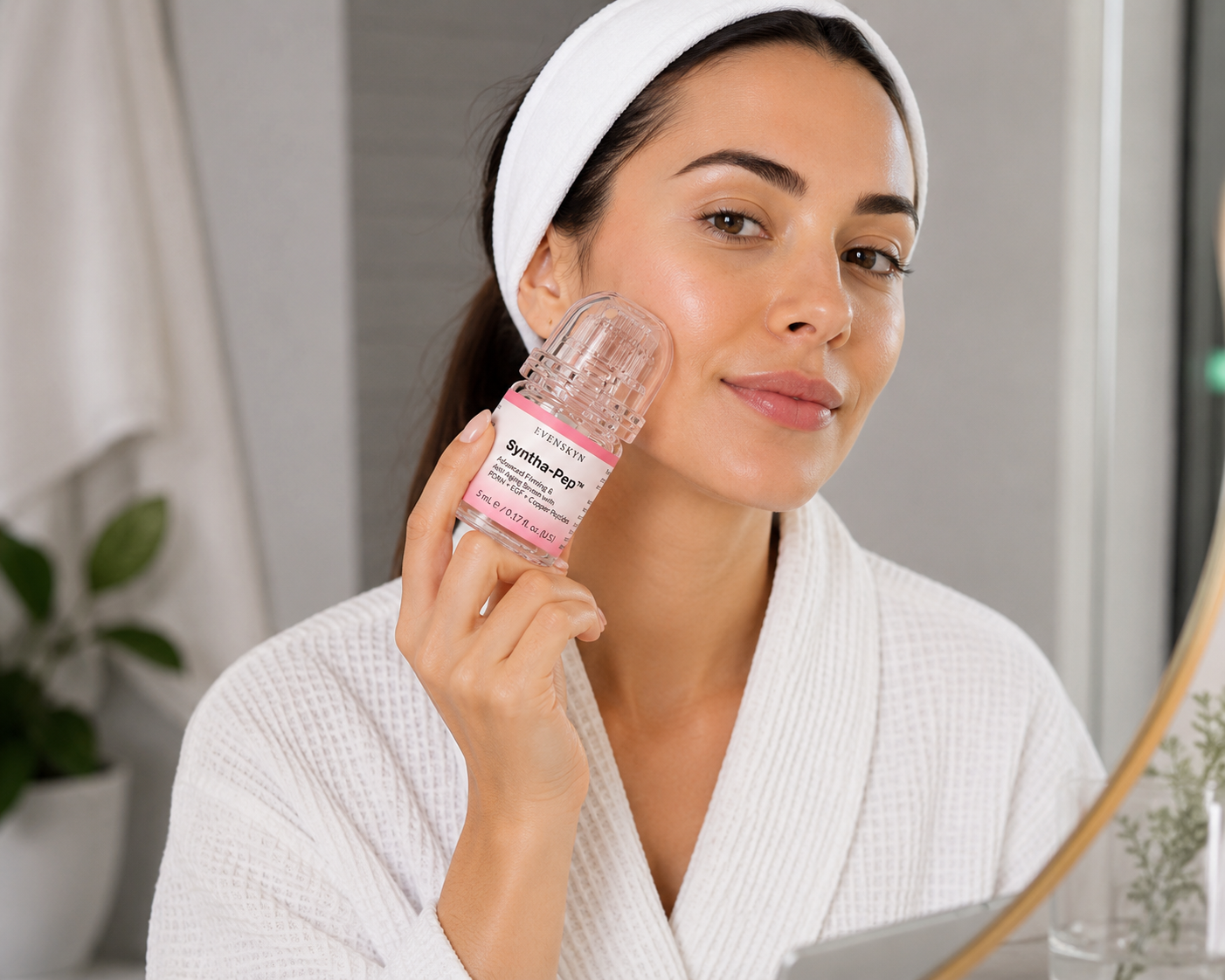
Skin care has evolved considerably in recent years. What was once limited largely to professional clinics is increasingly available in convenient at-home formats, giving consumers more options for building personalized routines. From advanced serums to specialized facial devices, home skin care now combines traditional cosmetic habits with technology designed to support the appearance of smoother, more refreshed skin.
Among these developments, products from Even Skyn illustrate the growing interest in convenient skin-care technology. A micro-infusion system is designed to bring a more targeted treatment approach into a home routine, combining a specialized applicator with a topical formulation. Micro-infusion system: However, using these devices responsibly requires more than simply purchasing a product. Understanding preparation, hygiene, frequency, skin compatibility, and realistic expectations is essential.
What Is Micro-Infusion?
Micro-infusion is a cosmetic technique that uses a device featuring very fine points or similar precision components to interact with the surface of the skin.
Because different devices have different designs and treatment depths, micro-infusion should not automatically be considered identical to professional microneedling. At-home devices are generally designed with convenience and controlled cosmetic use in mind, while professional procedures may involve different equipment, techniques, and levels of treatment.
Consumers should always follow the instructions supplied with their particular device rather than assuming that techniques used with one product can be applied to another.
Why Is Home Micro-Infusion Becoming Popular?
Convenience is a major factor behind the popularity of at-home beauty technology.
Professional skin treatments often require appointments, travel, and recurring expenses. A home device can allow consumers to incorporate occasional technology-based treatments into an existing routine without making a trip to a clinic.
People may explore micro-infusion because they are interested in:
- Improving the appearance of skin texture
- Supporting a smoother-looking complexion
- Incorporating advanced tools into home skin care
- Pairing technology with selected topical products
- Creating a more structured beauty routine
Nevertheless, cosmetic results vary between individuals. Age, skin type, lifestyle, product choices, consistency, and environmental factors can all influence the appearance of the skin.
How Micro-Infusion Fits Into a Skin-Care Routine
A device should complement the fundamentals of skin care rather than replace them.
A simple routine can provide a strong foundation before introducing additional technology.
Morning Routine
A basic morning routine may include:
- A gentle cleanser
- A suitable moisturizer
- Broad-spectrum sunscreen
Depending on individual needs, other cosmetic products can be incorporated between cleansing and moisturizing.
Evening Routine
An evening routine may include:
- Gentle cleansing
- Appropriate treatment products
- Moisturizer
If micro-infusion is part of the routine, it should be used according to the manufacturer’s instructions, including recommended frequency and compatible products.
Using a device more frequently than instructed does not necessarily produce better cosmetic results and may increase the possibility of irritation.
Preparing Your Skin Before Micro-Infusion
Preparation is an important part of responsible home treatment.
Clean the Treatment Area
The skin should be appropriately cleansed before treatment. Removing makeup, excess oil, and surface impurities can help create a cleaner starting point.
Hands should also be clean before handling the device.
Follow Device Instructions
Every device can have different requirements for preparation, application, cleaning, and storage.
Read the instructions carefully before the first use and follow the manufacturer’s recommendations rather than relying on online demonstrations that may feature a different product.
Choosing the Right Products
The topical product used with a micro-infusion device is another important consideration.
Consumers should only use products that are specifically recommended or considered compatible by the manufacturer. A serum that works well as an ordinary topical product may not necessarily be intended for use with a particular device.
Modern skin-care products may contain ingredients such as:
- Peptides
- Hydrating compounds
- Antioxidants
- Skin-conditioning ingredients
- Other cosmetic actives
More ingredients do not automatically mean better skin care. A simple and compatible routine is often easier to maintain and monitor.
Hygiene Should Always Be a Priority
Any device that comes into close contact with the skin requires careful handling.
Users should follow the manufacturer’s cleaning and replacement instructions. If a component is intended for single use, it should not be reused.
Micro-infusion devices should also never be shared with other people.
Good hygiene practices can help reduce avoidable contamination and keep the treatment process more controlled.
Who Should Avoid or Delay Home Treatments?
At-home cosmetic devices are not suitable for every situation.
People should exercise caution if they have active irritation, open wounds, infections, or other skin concerns affecting the intended treatment area.
Those using prescription skin treatments or managing a specific dermatological condition may also want to speak with a dermatologist or other qualified health professional before introducing a new device.
If the skin is already irritated, adding another treatment may not be the best approach. Allowing the skin to recover and obtaining professional guidance when appropriate can be a safer strategy.
What Results Can You Realistically Expect?
One of the biggest mistakes consumers make with beauty technology is expecting immediate or dramatic changes.
Skin appearance naturally changes over time, and cosmetic devices should generally be viewed as one component of a broader routine.
People may be interested in improvements involving:
- Overall skin appearance
- Texture
- Smoothness
- Hydration
- A refreshed-looking complexion
However, individual outcomes can differ significantly. Product descriptions should not be interpreted as guarantees of a particular result.
Taking photographs under similar lighting conditions can provide a more useful way to monitor gradual cosmetic changes than relying solely on memory.
The Importance of Sun Protection
No advanced skin-care device can replace basic sun protection.
Regular exposure to ultraviolet radiation can contribute to visible signs of skin aging and other skin concerns. Using a broad-spectrum sunscreen and practicing sensible sun-protection habits can therefore remain an important part of any long-term routine.
This is particularly relevant when experimenting with cosmetic treatments that may temporarily leave the skin feeling more sensitive.
Common Mistakes to Avoid
Using the Device Too Frequently
More frequent treatment is not automatically better. Always follow the recommended schedule.
Combining Too Many Active Products
Introducing multiple strong products at once can make it difficult to determine what is causing irritation.
Ignoring Skin Sensitivity
If the skin becomes unusually irritated or uncomfortable, stop and reassess the routine rather than continuing simply to maintain a schedule.
Neglecting Basic Skin Care
Technology should not replace cleansing, moisturizing, and sun protection.
Copying Someone Else’s Routine
A routine that works for one person’s skin may not be appropriate for another. Skin type, sensitivity, age, existing conditions, and product tolerance all differ.
Building a Sustainable Home Skin-Care Routine
The most effective routine is often one that can realistically be maintained.
Instead of purchasing numerous products and devices simultaneously, consider introducing changes gradually. This makes it easier to identify which products your skin tolerates and which ones may be unnecessary.
A practical approach can be summarized as
Cleanse → Hydrate → Protect → Treat → Monitor
The treatment component can include a micro-infusion device when appropriate, but the basic foundation should remain consistent.
Skin Care, Technology, and Personal Wellness
The rise of at-home skin-care devices reflects a broader consumer interest in convenient wellness technology. People increasingly want products that allow them to take an active role in their daily routines while reducing the complexity of professional appointments.
However, convenience should not come at the expense of informed use. Consumers should evaluate product instructions, ingredients, hygiene requirements, and their own skin’s needs before introducing a new device.
For readers interested in broader discussions surrounding dermatology and skin health, this Tuffer Magazine guide to dermatology and skin health provides a relevant starting point for exploring the subject further.
Final Thoughts
At-home micro-infusion represents an interesting development in modern skin care, combining cosmetic formulations with technology designed for convenient home use. For consumers who want to explore this approach, understanding the fundamentals is just as important as choosing the right device.
Start with healthy skin-care basics, follow the manufacturer’s instructions, maintain proper hygiene, choose compatible products, and avoid unrealistic expectations. People with existing skin conditions or concerns should consider professional guidance before introducing a new treatment device.
Ultimately, advanced home skin care does not have to be complicated. When technology is used thoughtfully alongside cleansing, hydration, sun protection, and a consistent routine, it can become one additional tool for people interested in maintaining the appearance of healthy, well-cared-for skin.