
Introduction
Breathing through the mouth instead of the nose might seem like a minor habit, but it can have a significant impact on your dental health over time. Many people develop this pattern due to allergies, nasal congestion, enlarged tonsils, or simple habit, and it often continues without them realizing the damage it can cause.
From changes in tooth alignment to an increased risk of cavities, mouth breathing affects far more than just how a person inhales and exhales. This article explores the causes of mouth breathing, its effects on teeth and gums, and the treatment options, including orthodontics, that can help correct the resulting issues.
Understanding Mouth Breathing and Its Causes
Mouth breathing occurs when a person relies on their mouth rather than their nose for the majority of their breathing, whether during the day, at night, or both. This can happen for several reasons. Blocked nasal passages caused by allergies, sinus infections, or a deviated septum are common culprits. Enlarged adenoids or tonsils, particularly in children, can also force air through the mouth instead of the nose. In some cases, the habit develops during childhood and persists into adulthood even after the original cause has been resolved.
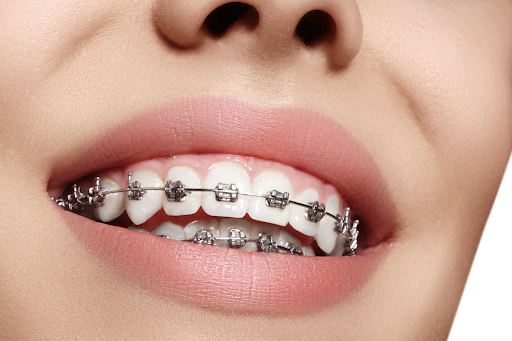
Correcting misaligned teeth and jaws often requires professional orthodontics, since the structural changes caused by years of mouth breathing usually cannot be reversed through simple lifestyle adjustments alone. A dentist or orthodontist can assess whether nasal breathing therapy, jaw expanders, or braces are needed to restore a healthy bite and facial structure.
How Mouth Breathing Changes Tooth and Jaw Development
One of the most concerning effects of chronic mouth breathing is its influence on facial and dental development, particularly in children whose bones are still growing. When a child breathes through their mouth, the tongue tends to rest lower in the mouth instead of pressing against the roof, which is its natural position during nasal breathing. This shift removes the gentle, constant pressure that helps shape a wide, well formed palate.
Without that pressure, the upper jaw can grow narrower and higher than it should, leading to a condition sometimes called a high, arched palate. A narrow palate often does not leave enough room for teeth to come in straight, which can result in crowding, crossbites, or an open bite where the front teeth do not meet properly. Many children who are chronic mouth breathers also develop what is known as a long, narrow face, along with a recessed chin and a tendency for the lower jaw to sit further back than normal.
Dry Mouth and Increased Risk of Cavities
Saliva plays a crucial role in protecting teeth. It neutralizes acids produced by bacteria, washes away food particles, and helps remineralize enamel that has been weakened by acid exposure. Mouth breathing dries out the oral cavity because air constantly flows over the teeth and gums instead of staying moist as it would with nasal breathing.
This chronic dryness reduces the mouth’s natural defenses, allowing harmful bacteria to thrive. As a result, mouth breathers often experience a higher rate of tooth decay, particularly along the gumline and between teeth. The lack of saliva also makes it easier for plaque to build up, since there is less natural rinsing action throughout the day and especially overnight during sleep.
Gum Disease and Bad Breath
Beyond cavities, dry mouth caused by habitual mouth breathing contributes to gum inflammation and disease. Saliva helps control the bacteria responsible for gingivitis and periodontitis, so when its levels drop, the gums become more vulnerable to irritation, redness, and swelling. Over time, untreated gum disease can lead to gum recession and, in severe cases, tooth loss.
Bad breath, or halitosis, is another common complaint among people who breathe through their mouths. The dry environment allows odor causing bacteria to multiply more freely, and without adequate saliva to wash them away, the smell can persist no matter how often a person brushes.
Sleep Related Issues and Their Dental Connection
Mouth breathing at night is closely linked to sleep disordered breathing, including snoring and, in more serious cases, obstructive sleep apnea. People who sleep with their mouths open often wake up with a dry, sore throat and morning headaches. Dentists are frequently among the first professionals to notice signs of this pattern, since it can leave telltale marks such as worn tooth surfaces from teeth grinding, a condition often associated with disrupted sleep.
Addressing the underlying airway issue is important not just for restful sleep but for long term oral health, since poor sleep quality and grinding can accelerate tooth wear and jaw discomfort.
Recognizing the Signs
Some common signs of mouth breathing include chapped lips, a dry or cracked tongue, bad breath, snoring, and a habitually open mouth posture, especially during sleep. In children, parents might also notice dark circles under the eyes, a tired appearance during the day, or slower than expected facial growth. Catching these signs early gives families a better chance of addressing the root cause before it leads to lasting changes in tooth alignment or jaw structure.
Treatment Options
Treating mouth breathing usually starts with identifying and addressing the underlying cause. This might involve treating allergies, removing enlarged tonsils or adenoids, or correcting a deviated septum through medical intervention. Myofunctional therapy, which trains the tongue and facial muscles to adopt proper resting positions, can also be helpful, particularly for children who are still developing.
For dental and structural issues that have already developed, treatment often requires a combined approach involving a dentist, an ENT specialist, and possibly a sleep specialist, working alongside orthodontic care to correct alignment problems and support healthy jaw growth.
Conclusion
Mouth breathing is more than a harmless habit. It can quietly reshape the growth of the jaw, dry out the protective saliva that teeth depend on, and increase the risk of cavities, gum disease, and bad breath. Recognizing the signs early and addressing the underlying cause, whether that means treating nasal congestion, removing enlarged tonsils, or retraining muscle habits, can prevent many of these complications from progressing. In cases where dental alignment has already been affected, working with a professional who specializes in orthodontics can help restore proper bite function and support long term oral health. Taking mouth breathing seriously today can spare a person years of dental discomfort and costly treatment down the road.