
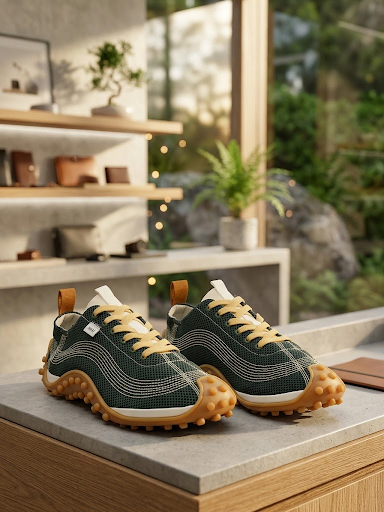
In the ever-evolving fashion industry, designer shoes have carved a significant niche. These shoes epitomise style, luxury, and often a high level of craftsmanship that distinguishes them from mass-produced alternatives. With an increasing number of fashion-conscious consumers, designer footwear continues to redefine modern aesthetics and functionality.
The Historical Evolution of Designer Shoes
The journey of designer shoes dates back centuries, where craftsmanship and exclusivity were central to the shoe-making process. Historically, these shoes were handmade, abound with unique and intricate designs that reflected the social status of the wearer. Over time, technological advancements and a globalised market have made designer shoes more attainable, yet their exclusivity remains intact, upheld by the legacy of well-known fashion houses.
Key Elements Defining Designer Shoes
Designer shoes are renowned for their superior materials, intricate detailing, and innovative design. High-quality leather, suede, and other luxurious fabrics are commonly employed. Moreover, designers often incorporate bold colours and patterns, turning these shoes into statements of art.
Another defining characteristic is the attention to comfort and functionality. While style is paramount, designers meticulously craft each piece to ensure wearability. This balance of form and function is what sets designer shoes apart from conventional footwear.
The Influence of Cultural Trends
Cultural trends significantly influence the design and popularity of designer shoes. From the runways of Paris to the streets of New York, designers draw inspiration from various subcultures, music, and art, making shoes that resonate with diverse audiences. The result is a tapestry of styles that cater to traditional tastes whilst also enticing those seeking the contemporary and avant-garde.
The Economic Impact of Designer Footwear
Designer shoes have a profound economic impact. They contribute to the revenues of luxury brands and bolster the retail sector. As an integral part of the luxury goods market, these shoes often command high prices, reflecting their quality and the prestige associated with them. Consumers view them as long-term investments, which often appreciate in value over time, driving demand and further economic growth.
Environmental Considerations
Increasingly, the fashion industry is addressing environmental concerns, and designer shoes are no exception. Many brands now focus on sustainable practices, using eco-friendly materials and ethical production processes. By doing so, they aim to reduce their ecological footprint while offering products that align with the consumer’s growing demand for sustainability.
The Role of Celebrities and Influencers
In today’s digital age, celebrities and influencers play a pivotal role in promoting designer shoes. Their endorsements can instantly elevate a shoe’s status and desirability. By wearing these designer creations, celebrities set trends that millions of followers aspire to replicate, thus driving market demand.
The Future of Designer Shoes
The future of designer footwear looks promising, with technology and innovation leading the charge. Designers are experimenting with 3D printing, smart fabrics, and AI-assisted design techniques to create bespoke shoes that offer enhanced personalisation and performance. These technological advancements promise to revolutionise the industry, providing consumers with unprecedented choices.
Conclusion
As the fashion industry evolves, designer shoes remain an emblem of style and sophistication. By combining tradition with innovation, they continue to captivate a global audience. Whether through their economic impact, cultural significance, or environmental consciousness, designer shoes are more than just a fashion statement; they are a reflection of personal taste and societal trends.