
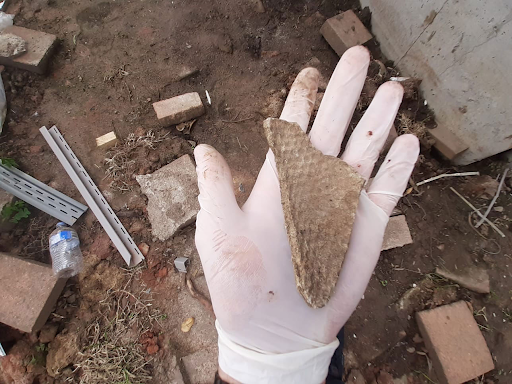
Asbestos is a hazardous material that was commonly used in construction until the late 20th century. Despite being banned in many countries, it can still be found in many older buildings, posing severe health risks such as lung cancer, mesothelioma, and asbestosis. Therefore, it is crucial to conduct testing for asbestos in homes and workplaces to ensure safety and compliance with health standards.
Why Asbestos Testing is Necessary
Buildings constructed before the 1980s are more likely to contain asbestos in materials such as insulation, roofing, tiles, and cement products. Asbestos fibres, when disturbed, become airborne and can be inhaled, making it critical to identify their presence through professional testing and inspections.
Health Risks Associated with Asbestos Exposure
Asbestos exposure is a significant health hazard. Prolonged inhalation of asbestos fibres can cause serious conditions affecting the lungs and respiratory system. Early detection and removal are essential to prevent such health issues.
Regulatory Compliance and Safety Standards
Most countries have strict regulations regarding the handling and removal of asbestos-containing materials. Regular inspections and testing ensure that buildings are compliant with these regulations, thereby protecting the health of occupants and avoiding legal issues.
The Asbestos Testing Process
The process typically involves a thorough visual inspection followed by the collection of samples for laboratory analysis. Accredited professionals use specialised equipment to safely identify and assess the risk of asbestos-containing materials.
Choosing the Right Professional for Asbestos Testing
Hiring qualified and licensed asbestos professionals is critical. Look for consultants who have proven experience and access to accredited laboratories. Such professionals ensure accurate testing results and efficient handling of asbestos removal if necessary.
Interpreting Asbestos Test Results
Once testing is complete, results will indicate the presence and location of asbestos in a building. Experts will also provide recommendations on the next steps, whether it involves removal or an asbestos management plan.
Options Following Positive Asbestos Identification
If asbestos is detected, removal is not always necessary. In some cases, it is manageable through encapsulation or leaving it undisturbed if it poses no immediate risk. A professional can advise on the best course of action depending on the specific situation.
The Role of Asbestos Management Plans
Asbestos management plans are essential for long-term safety in buildings with confirmed asbestos. These plans outline procedures for monitoring, maintaining, and ultimately disposing of asbestos materials safely.
Cost Implications of Asbestos Testing and Removal
The cost of testing and potential removal can vary widely based on the size and condition of the building. While it may seem costly, the health benefits and compliance with legal standards make it a necessary investment.
The Future of Asbestos in Construction
As new materials and technologies enter the construction industry, the reliance on asbestos has diminished significantly. However, awareness and proactivity regarding existing asbestos remain essential for safety.
Educational and Awareness Programs
Education and awareness programs about asbestos and its risks are vital. These programs can inform the public and professionals about the importance of regular inspections and how to handle materials safely.
Environmental Considerations
Asbestos poses environmental threats if not disposed of correctly. Authorized disposal sites ensure that asbestos-containing materials do not contaminate the environment.
Conclusion
Testing for asbestos is a crucial step in ensuring the safety of occupants in buildings, be it residential or commercial. Regular testing, informed handling, and adherence to regulations significantly reduce the health risks associated with asbestos exposure.