
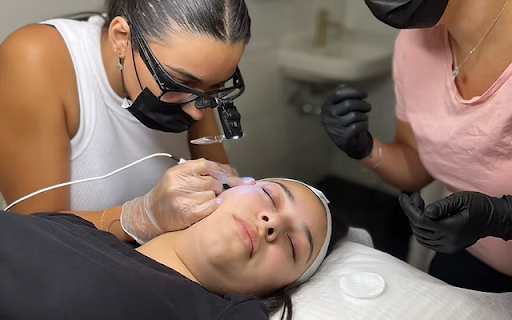
In recent years, the field of aesthetic medicine has witnessed significant advancements, especially in the development and application of aesthetic devices. These aesthetic devices play a crucial role in enhancing the efficacy of cosmetic treatments, providing both practitioners and patients with a range of options to address various concerns.
What Are Aesthetic Devices?
Aesthetic devices are tools and equipment used in the field of cosmetic and dermatological procedures. They are designed to address a plethora of skin and body concerns, such as wrinkles, acne, pigmentation, and body contouring, among others. These devices use technologies like lasers, radiofrequency, ultrasound, and others to deliver non-invasive or minimally invasive treatments.
The Evolution of Aesthetic Devices
The evolution of aesthetic devices has been marked by technological advancements that aim to improve patient outcomes. From the early days of simple mechanical tools to today’s advanced laser and energy-based devices, the goal has always been to enhance safety and efficacy while minimizing discomfort and downtime.
Types of Aesthetic Devices
There are various types of aesthetic devices catering to different treatment needs. Lasers are commonly used for skin resurfacing and hair removal. Radiofrequency devices, on the other hand, are popular for skin tightening and cellulite treatment. Ultrasound technology is often used in body sculpting procedures. Each type of device has its specific indications and is chosen based on the treatment objectives and patient’s needs.
Advantages of Modern Aesthetic Devices
Modern aesthetic devices offer a range of benefits that contribute to their popularity among practitioners and patients alike. Firstly, they provide non-invasive or minimally invasive treatment options, reducing the risk of complications associated with traditional surgical procedures. Additionally, they often require less downtime, allowing patients to quickly resume their daily activities.
Improving Patient Satisfaction
The use of advanced aesthetic devices results in more consistent and predictable outcomes. This predictability significantly enhances patient satisfaction as they can achieve their desired results with fewer treatments. Furthermore, the precision of these devices means that treatments can be tailored to each patient’s specific needs, further boosting satisfaction and loyalty.
Safety and Regulations
Ensuring the safety and efficacy of aesthetic devices is of paramount importance. As such, these devices are subject to stringent regulations and must pass rigorous testing before they can be approved for use in clinical settings. Practitioners are required to undergo extensive training to operate these devices safely.
The Future of Aesthetic Devices
The future of aesthetic devices is bright, with ongoing research and development poised to bring even more sophisticated and effective solutions. Innovations in areas like artificial intelligence and robotics may further revolutionize the way aesthetic treatments are administered, promising even greater precision and customisation.
Choosing the Right Aesthetic Device
For practitioners, selecting the right aesthetic device involves considering factors such as the clinic’s treatment objectives, the technology’s versatility, and the anticipated return on investment. It is crucial to choose devices that align with the scope of services provided and the specific needs of their patient population.
Conclusion
Aesthetic devices continue to transform the landscape of cosmetic treatments, providing safe, effective, and tailored options for patients. As the technology behind these devices advances, both practitioners and patients stand to benefit from more efficient and customised treatment options.