
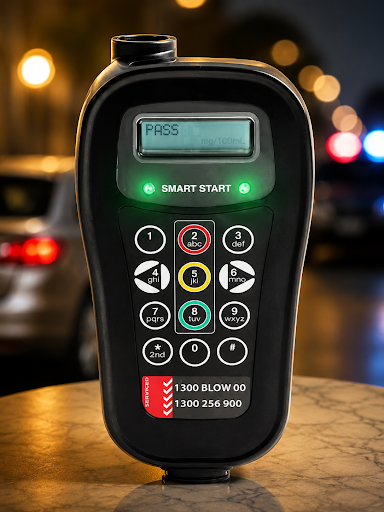
Ignition interlock devices play a crucial role in promoting road safety by preventing those who have committed alcohol-related offences from operating a vehicle while impaired. However, interlock compliance is essential to avoid violations, which can lead to penalties or extended periods of use. One of the key steps towards maintaining compliance is understanding the various violations that can occur and how to steer clear of them. For instance, using an alcohol ignition interlock correctly is fundamental to this process.
Understanding System Malfunctions
One common cause for violations is system malfunctions. Users might encounter issues such as the device not powering up or providing incorrect readings. Regular maintenance and familiarising oneself with the device’s manual can help in diagnosing minor issues.
Missed Tests
Failing to provide a breath sample at the scheduled time can constitute a violation. It is essential to remain aware of the test schedule and ensure that these intervals are met. Missing a test not only reflects on the compliance record but can also extend the program duration. Staying organised and setting reminders can be effective strategies.
Failed Breath Samples
Providing a breath sample that exceeds the predefined blood alcohol concentration (BAC) limit can result in a violation. It is vital to ensure that enough time has passed since alcohol consumption before driving. Proper planning and responsible drinking behaviour must be practised to stay within legal limits.
Tampering with the Device
Attempts to tamper with or disconnect the interlock device is a serious violation that can lead to severe penalties. Users should always adhere to the guidelines provided for correctly using the device and maintaining its integrity.
Using the Vehicle without Authorisation
Only authorised drivers should operate the vehicle equipped with an interlock device. Allowing others to drive without prior approval can lead to violations. Make sure all authorised users are well-informed about the operation and restrictions associated with the device.
Smart Start Technology to the Rescue
Leveraging advanced solutions like Smart Start technology can significantly enhance compliance. These devices are designed to be user-friendly and reliable, reducing the likelihood of accidental violations.
Regular Calibration and Maintenance
The importance of regular calibration cannot be overstated. Scheduled maintenance ensures that the device functions accurately, preventing false readings and potential violations. Always adhere to the calibration schedule provided by the service provider.
Communication with Service Providers
Engaging actively with the service providers can help preemptively address any concerns or questions regarding device functionality and compliance. Providers can offer guidance or adjustments that may be necessary to ensure smooth operations.
Quick Response to Alerts
Responding promptly to any alerts or warnings given by the interlock device can prevent violations. Ignoring these prompts can result in automatic violations being recorded.
Behind the Wheel Sobriety
It is imperative to maintain sobriety whenever there is a need to drive. This ensures the safety of all road users and adheres to the obligations of the interlock program.
Educating Co-Habitants
Families and those living with the individual under the interlock program should also be educated about the importance and operation of the device. Misunderstandings or accidental misuse by others can lead to unnecessary violations.
Finding a Reliable Installation Service
Choosing an experienced provider to install your device can minimise setup errors. Look for service outlets by searching for interlock device installation near me to ensure high-quality service.
Re-Evaluate Personal Habits
Reducing alcohol consumption and understanding its effects on BAC levels can greatly improve compliance. Making lifestyle adjustments can facilitate smoother adherence to interlock requirements.
Regular Review of Compliance Obligations
Keeping abreast of the responsibilities under the interlock program and reviewing them regularly aids in maintaining compliance. Documentation and record-keeping can assist in this regard.
The Role of Support Networks
Support from family, friends, and peer groups can make a significant difference in adhering to program requirements. Encouragement and accountability help reinforce responsible driving behaviours.