
Whether you manage a working farm, run a landscaping business, or oversee construction projects, the machinery you rely on directly determines your productivity and profitability. Purchasing equipment is one of the most significant capital decisions any operator can make — and the choice between new and used is rarely straightforward. For many buyers, the used equipment market offers a compelling path to acquiring high-performance machines at a fraction of the original cost. But navigating that market wisely requires knowledge, patience, and the right sourcing partner.
Why the Used Equipment Market Deserves Serious Consideration
The stigma once attached to used machinery has largely faded. Modern agricultural and construction equipment is built to last decades when properly maintained, which means a well-serviced tractor or skid steer with several thousand hours on the clock can still deliver years of reliable performance. For small to mid-sized operations, the economics are particularly compelling. A used machine that costs 40 to 60 percent less than its new equivalent can free up capital for other critical investments — seed, labor, infrastructure, or business expansion.
Beyond cost savings, the used market also offers immediate availability. New equipment orders can face lengthy lead times, especially during periods of high agricultural demand or supply chain disruption. A used machine sitting on a dealer’s lot can be inspected, purchased, and put to work within days. For operators facing a tight planting window or a construction deadline, that speed can be invaluable.
Understanding What You Actually Need Before You Buy
One of the most common mistakes buyers make is purchasing equipment based on price alone rather than fit-for-purpose suitability. Before browsing any inventory, take time to define your operational requirements with precision. What acreage or project scale will the machine handle? What terrain or soil conditions will it face? Does it need to integrate with existing implements or attachments you already own?
For agricultural buyers, soil preparation is often a central concern. Understanding how different implements interact with your specific soil type — whether you’re dealing with heavy clay, sandy loam, or compacted ground — can significantly influence which tractor size and horsepower range makes sense. Buyers focused on seedbed quality, for example, should consider how their tractor will pair with soil-finishing tools. The role of cultipackers in modern soil preparation is a useful area to explore, as these implements place specific demands on tractor weight and hydraulic capacity that should factor into your equipment selection.
Construction and Landscaping: Matching Machine to Task
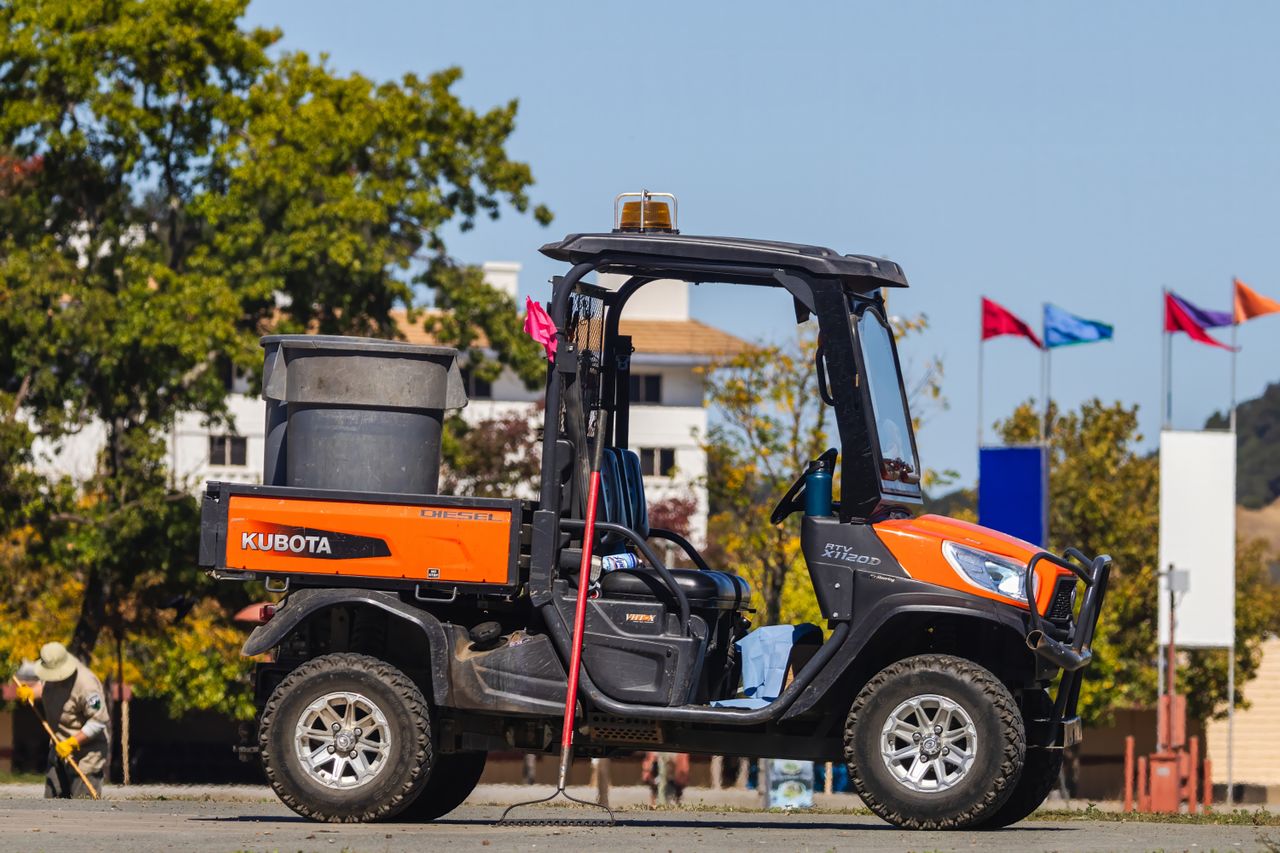
For construction and landscaping professionals, the calculus is slightly different. Excavators, skid steers, compact track loaders, and utility vehicles each serve distinct functions, and buying the wrong category of machine — even at a great price — creates operational inefficiency. A landscaping contractor who primarily handles residential grading and planting may find a compact utility tractor far more versatile than a full-sized excavator. Conversely, a contractor handling commercial site preparation needs the digging depth and bucket capacity that only a mid-size excavator can provide.
Think carefully about attachment compatibility as well. Many used machines come with standard quick-attach systems, but not all are universal. Confirming that a prospective purchase will accept your existing bucket, auger, or blade attachments can save significant expense down the line.
What to Inspect Before Committing to a Purchase
A thorough pre-purchase inspection is non-negotiable. Even when buying from a reputable dealer, conducting your own due diligence protects your investment. Start with the engine: check for oil leaks, inspect the air filter, and look for signs of overheating such as discoloration around the exhaust manifold or coolant reservoir. Request maintenance records if available — a machine with documented service history is almost always a safer bet than one without.
Examine the hydraulic system carefully. Slow or jerky hydraulic response, visible hose wear, or fluid leaks around cylinder seals can indicate costly repairs ahead. For tractors, check the three-point hitch for smooth operation and inspect the PTO shaft for wear or damage. On construction equipment, pay close attention to undercarriage components — tracks, rollers, and sprockets are expensive to replace and their condition is a strong indicator of overall machine care.
The Value of Buying from a Trusted Dealer
Private sales can offer lower prices, but they come with considerably more risk. Purchasing through an established equipment dealer provides access to machines that have typically been inspected, reconditioned where necessary, and accurately represented. Reputable dealers also offer financing options, trade-in programs, and after-sale support that private sellers simply cannot match.
H&R Agri-Power: A Trusted Source for Quality Used Equipment
For buyers across the agricultural, construction, and landscaping sectors, H&R Agri-Power has built a strong reputation as a reliable equipment partner. With multiple locations and a broad inventory spanning tractors, combines, skid steers, and specialty implements, they serve a wide range of operational needs. Their team brings deep product knowledge and a genuine understanding of the demands placed on working equipment — which means buyers receive honest guidance rather than a hard sell.
H&R Agri-Power’s commitment to customer service extends beyond the initial transaction. Their parts and service departments ensure that buyers have ongoing support after the sale, which is particularly valuable for operators who depend on their equipment running reliably through demanding seasons and project cycles.
Innovation in Equipment: Why Brand Matters Even in the Used Market
When evaluating used equipment, brand heritage and engineering quality remain important factors. Machines from manufacturers with a long track record of innovation tend to hold their value better, have more readily available parts, and benefit from larger service networks. Buyers interested in understanding how leading manufacturers approach long-term engineering and product development will find it worthwhile to explore Kubota’s innovation stories, which offer insight into the design philosophy behind some of the most widely used compact and utility tractors in the world.
Choosing a machine from a manufacturer with strong dealer support and parts availability is a practical consideration that pays dividends over the life of the equipment. Even a well-priced used machine becomes a liability if replacement components are difficult to source or if local service expertise is limited.
Making the Most of Your Investment
Once you’ve identified the right machine and completed your purchase, establishing a proactive maintenance routine is the single most effective way to protect your investment. Follow the manufacturer’s recommended service intervals, keep detailed records of all maintenance performed, and address minor issues before they escalate. Properly maintained used equipment can serve an operation for many years and retain meaningful resale value when the time comes to upgrade.
If you’re currently exploring your options, browsing a well-curated inventory is a logical first step. Used construction, agricultural and landscaping equipment available through H&R Agri-Power represents a broad selection of quality machines across multiple categories, giving buyers the flexibility to find the right fit for their specific operation and budget.
Conclusion
The used equipment market rewards buyers who approach it with preparation and clarity. By defining your operational requirements upfront, conducting thorough inspections, and working with reputable dealers, you can acquire capable, reliable machinery that delivers genuine value for years to come. Whether your work is in the field, on the job site, or across a landscape property, the right used equipment — sourced wisely — is one of the smartest investments you can make.