
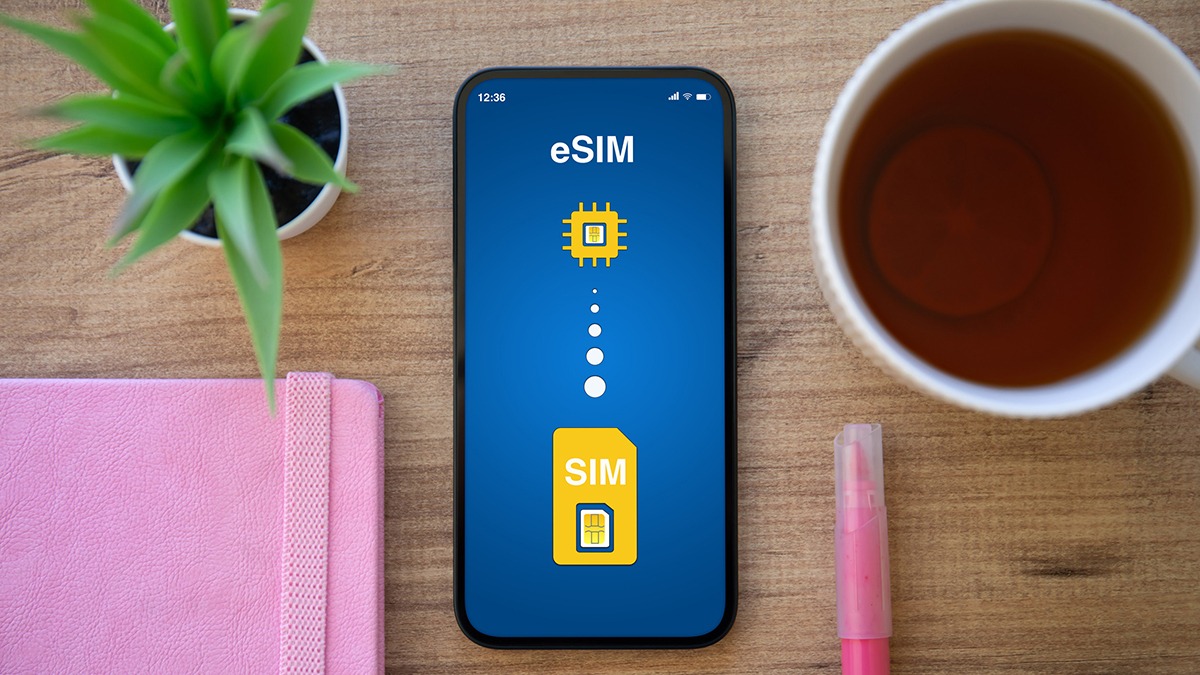
For decades, mobile connectivity changed very little. Every international trip began the same way: switch off data roaming, land at your destination, find a local carrier, replace your SIM card, and hope everything worked before you needed directions, a ride, or a hotel confirmation.
It was an accepted inconvenience – until eSIM technology quietly rewrote the rules.
What initially appeared to be a small hardware innovation has evolved into one of the most significant changes in consumer telecommunications. Today, an eSIM is doing far more than replacing a piece of plastic. It is reshaping how people connect across borders, how telecom providers deliver services, and how travelers expect mobile connectivity to work.
The momentum is impossible to ignore. Every new generation of flagship smartphones expands eSIM compatibility, airlines are digitizing every stage of the passenger journey, and travel has become increasingly dependent on always-on connectivity. Maps, digital payments, translation tools, boarding passes, messaging apps, remote work platforms, and AI-powered travel assistants all assume one thing: you are connected from the moment you arrive.
That expectation has fundamentally changed the market.
Instead of treating connectivity as something travelers solve after landing, digital-first platforms now make it part of the trip itself. Buying mobile data has become as simple as reserving a hotel room or booking a flight online.
This transformation has also changed who leads the industry.
While many traditional telecom operators have only recently begun treating eSIM as a core product, specialized platforms spent years refining the experience. They focused on simplifying activation, expanding international coverage, improving user experience, and removing the friction that had long defined mobile connectivity abroad.
Among those early pioneers is MobiSIM, one of the longest-established travel-focused eSIM platforms. Long before eSIM became a mainstream feature promoted by smartphone manufacturers, the company was investing in a digital-first approach to international connectivity, helping travelers activate mobile data in minutes rather than navigating unfamiliar carrier stores in foreign countries.
That early focus matters.
Technology markets often reward companies that solve user problems before those problems become obvious to everyone else. In the eSIM sector, experience translates into broader destination coverage, smoother activation, better carrier relationships, and a platform refined through years of real-world traveler feedback.
Today, MobiSIM offers connectivity across more than 190 destinations, reflecting how the market itself has matured. Rather than selling a single network or locking users into traditional contracts, modern travel platforms are built around flexibility, allowing customers to choose plans based on where – and how – they travel.
For consumers, the appeal goes beyond convenience.
A travel data eSIM eliminates many of the hidden costs traditionally associated with international mobile usage. There is no need to queue at airport kiosks, remove a primary SIM card, or accept unpredictable roaming charges from a home operator. Connectivity can be arranged before departure, activated digitally, and managed entirely from the device already in your pocket.
That seemingly simple shift has broader implications.
It reflects a larger movement toward software-defined travel, where services once tied to physical infrastructure are becoming entirely digital. Boarding passes replaced paper tickets. Mobile wallets replaced cash in many destinations. Hotel check-in moved to smartphones. Mobile connectivity is now following the same trajectory.
The companies that recognized this transition early are now well positioned as global adoption accelerates.
Industry analysts expect eSIM usage to continue growing over the coming years as device compatibility expands and consumers become increasingly comfortable managing mobile services digitally. For younger travelers especially, buying connectivity online feels entirely natural – often preferable to dealing with a traditional carrier after arrival.
In many ways, the physical SIM card is becoming another piece of travel technology approaching the end of its lifecycle.
The future belongs to platforms that remove complexity instead of adding it, and the rapid rise of eSIM demonstrates how quickly consumer expectations can change once a better solution exists.
For travelers, that means fewer compromises and more freedom. For the industry, it marks one of the most important shifts in mobile connectivity since the smartphone itself. And for early innovators such as MobiSIM, it validates a vision that began years before the rest of the market caught up.