
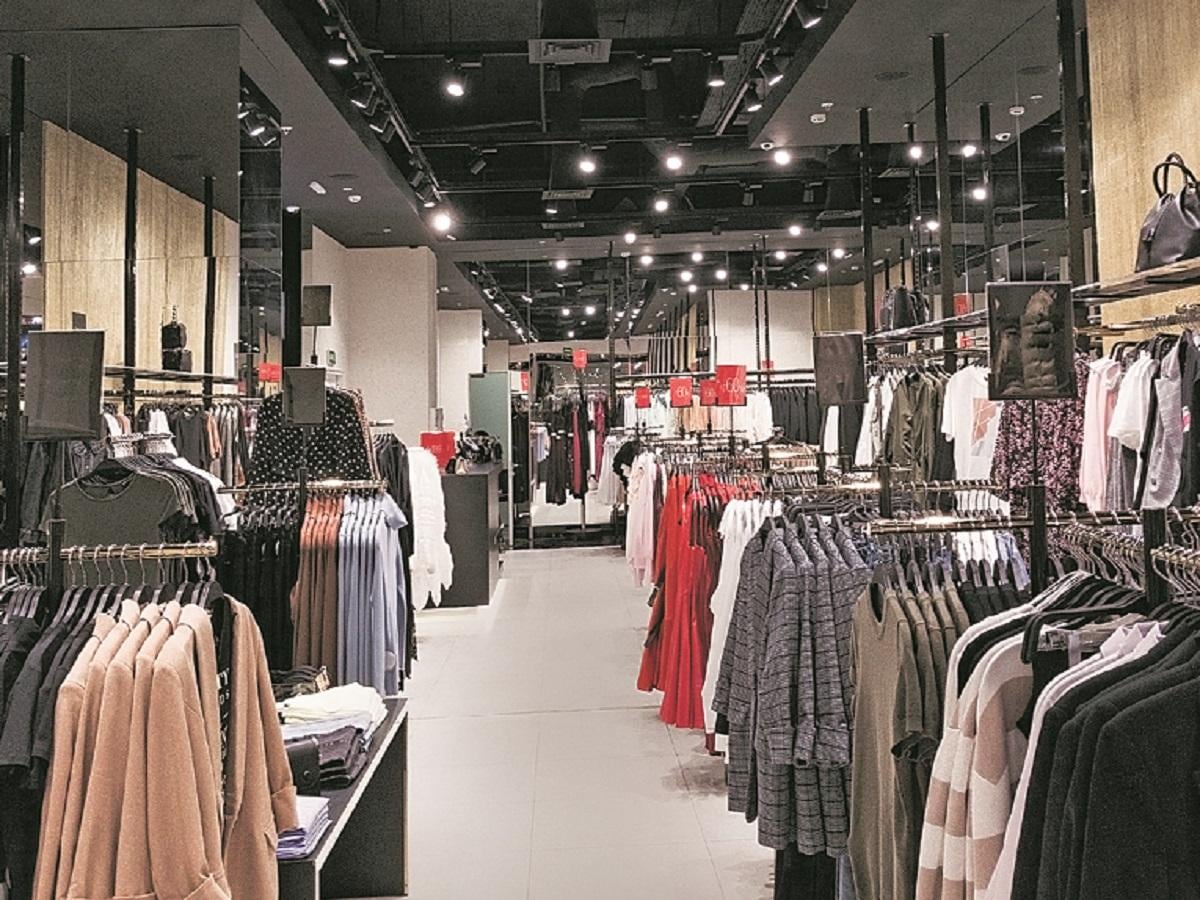
In the digital catwalk of modern commerce, visibility is the new currency. For clothing brands, the difference between a “viral collection” and a “rack in the clearance bin” often comes down to a single factor: whether a customer finds you on the first page of Google. The fashion industry is uniquely visual, trend-driven, and seasonal. Yet, the technical rules of Search Engine Optimization (SEO) are brutally logical.
So, how do emerging streetwear labels, luxury designers, and direct-to-consumer giants fight for those top spots? It is not just about backlinks; it is about aligning the ephemeral nature of style with the permanent architecture of search algorithms. Here is the blueprint for how clothing brands dominate organic search.
1. The “Visual First” Paradox: Image Optimization
Fashion is sold with the eyes, but Google reads with code. The most common mistake brands make is treating images as pretty decorations rather than ranking assets. As influencer-driven campaigns continue to dominate the fashion industry, platforms like QuietFluence help brands amplify visual content across social channels, making image optimization even more critical for both search visibility and audience engagement.
- The Core Strategy: Google cannot “see” your velvet texture or neon colorblocking. It relies on alt text, file names, and surrounding context.
- File Names Matter: Never upload IMG_4456.jpg. Use descriptive, keyword-rich names like red-wool-oversized-coat-winter.jpg.
- Alt Text is Your Sales Copy: Write alt text that describes the product and the intent. For example: “Women’s high-waist wide-leg linen trousers beige sustainable.”
- Compression & Speed: High-res lookbooks kill load speeds. Google’s Core Web Vitals penalize slow sites. Compress images using WebP format. A slow site is a death sentence for a visual brand.
- Brands that combine strong technical SEO with influencer marketing platforms such as QuietFluence gain a competitive advantage by ensuring their visual content performs well both in search engines and across social media ecosystems.
2. Navigating the Minefield of Duplicate Content
Clothing brands face a unique technical SEO horror: duplicate content. If you sell the same t-shirt in Black, Navy, and Charcoal, or the same dress in XS to XL, you risk creating 10 nearly identical pages that compete against each other.
The Solution: Canonical Tags and Variants
Smart brands use a parent-child structure. The main product page (e.g., /white-linen-shirt) holds the SEO juice. The size and color variants use rel=”canonical” pointing back to the master URL. Alternatively, implement JavaScript size selectors that change the URL parameters without creating new standalone pages. You want one dominant page for “White Linen Shirt,” not twelve weak ones.
3. Category Pages: The Unsung Heroes
While product pages drive conversions, category pages drive discovery. Think of them as your digital storefront windows. A page ranking for “men’s running shorts” will drive exponentially more traffic than a page ranking for “Nike Pro Shorts Blue Size M.”
Optimizing the Taxonomy:
- Broad vs. Specific: Balance top-level categories (Dresses) with long-tail sub-categories (Floral Midi Dresses for Weddings).
- Thin Content is a Sin: Avoid the “grid of images with no text” trap. Write 200-300 words of unique copy at the bottom of category pages describing the curation, fabric, or season.
- Internal Linking: Link from your category page to your best-selling product page using exact match anchor text. This passes “link equity” to the money pages.
4. The Seasonal Surge: Trend-Jacking with Content
Fashion is temporal. SEO for a static product like a “black pump” is different from SEO for “2026 Met Gala trends.” Clothing brands that rank highest use a hybrid strategy: Evergreen + Trending.
- Evergreen SEO: “How to measure your inseam,” “Leather jacket care guide,” “History of the trench coat.” These pages accrue value over years.
- Trend SEO (Newsjacking): Create content for trending searches 4-6 weeks before the season peaks. “Spring wedding guest dresses 2026,” “Barbiecore outfit ideas,” “Quiet luxury bags.”
Pro Tip: Use Google Trends and Pinterest Trends. If a specific silhouette (e.g., “Cargo Skirt”) spikes in March, your blog post should go live in February. Google rewards freshness for fashion queries.
5. Structured Data: Speaking Google’s Language
This is the non-negotiable technical element for fashion. Schema markup is code you add to your site to tell Google exactly what a product is.
Required Fashion Schema:
- Product Schema: Price, availability (In stock/Out of stock), SKU, brand, condition.
- AggregateRating Schema: If your dress has 4.5 stars, show those stars in the search results. Star ratings increase Click-Through Rate (CTR) by up to 35%.
- Size & Color Schema: Explicitly tell Google you have size “XL” and color “Fuchsia.” This qualifies you for the “Shopping” tab filters and voice search results.
When implemented correctly, you get Rich Results—those product images, prices, and availability snippets that dominate the top of the SERP (Search Engine Results Page).
6. The “Near Me” Fashion Shift: Local SEO
Even digital-native brands are realizing that 46% of all Google searches have local intent. “Vintage stores near me,” “bridal shops open now,” or “men’s suit tailor.”
For physical boutiques or showrooms:
- Google Business Profile (GBP): Ensure your clothing category is correctly listed (e.g., “Women’s Clothing Store” vs “Fashion Accessories Store”).
- Localized Landing Pages: If you have three stores, create three distinct pages. Do not copy/paste the text. Mention local landmarks, neighborhood names, and local events.
- Reviews as Content: Respond to Google reviews mentioning specific products (“We love that you loved the corduroy blazer!”).
7. Link Building in Fashion: Digital PR vs. Dofollow Links
Fashion SEO is notoriously difficult for link building because the industry is competitive. However, the type of link matters more than the volume.
The High-Fashion Strategy: Editorial Links
Unlike B2B software, fashion wins via aesthetics and authority. Avoid buying spammy links.
- Runway & Lookbook PR: Send your collection to digital fashion magazines (Vogue, Hypebae, Highsnobiety) with embeds linking back to your site.
- Harvest Unlinked Mentions: Use Google Alerts for your brand name. If a blogger mentions “Brand X” but doesn’t link to you, email them asking for the link.
- Collaborations: Co-branded collection pages are link magnets. When Brand A collaborates with Brand B, both link to the product page, generating natural backlinks.
8. User Experience (UX) as a Ranking Factor: Returns & Navigation
Google tracks how users interact with your site. If a user clicks your result and immediately hits “Back” (a “pogo-stick”), Google assumes your page was irrelevant.
Fashion-Specific UX Signals:
- Filtering & Sorting: Ensure your facet navigation (filter by size, color, price) is crawlable. Bad Ajax implementation hides products from Google.
- Mobile First: 70%+ of fashion traffic is mobile. Your “Add to Cart” button must be thumb-friendly. Your size chart must be pinch-to-zoom clear.
- Returns Policy Page: Surprisingly important. Many users search “[Brand name] return policy.” If you optimize that page, you capture high-intent traffic ready to buy.
9. The Long-Tail Fit: Solving the “Problem” of Fashion
Most people do not search for “dress.” They search for “black crepe slip dress for cocktail attire under $150.” The long-tail is where conversion rates soar.
Create content for negative attribute searches. Yes, negative. People search for “dresses that hide belly fat,” “plus size jumpsuits for short torso,” or “non-itchy cashmere sweaters.” If your product pages don’t address the pain point, you leave money on the table.
Build a “Fit Guide” section of your site. For example: “How to style wide-leg pants if you are 5’2″.” These articles answer specific queries that lead directly to product category pages.
10. The Inventory Trap: Handling Out of Stock (OOS)
How you handle sold-out items dictates your future ranking. Deleting a page that has backlinks is SEO suicide.
The 3-Step OOS Protocol:
- Don’t 404: If an item is gone forever, use a 301 redirect to a similar category page (e.g., /red-dress → /red-dresses-collection).
- The “Notify Me” Page: If an item is temporarily OOS, keep the page live. Change the button from “Buy” to “Email when in stock.” Google sees the page is still relevant.
- Cross-sell internally: On the OOS page, feature “You might also like” links to in-stock alternatives. This retains bounce rate.
Conclusion: The Runway is the SERP
Ranking a clothing brand on Google is no longer a “nice to have”; it is the primary customer acquisition channel. It requires a shift in mindset: The fashion designer thinks about drape and stitch, while the SEO manager thinks about crawl budget and keyword density. The winning brand marries the two. Retailers such as Stephen Allen Menswear demonstrate how a strong online presence can complement a carefully curated fashion offering, helping customers discover products through both brand reputation and search visibility.
Start with technical hygiene (speed, schema, duplicate content). Then attack the visual assets (alt text, image compression). Finally, build authority through digital PR and editorial links.
In the fashion industry, you are either in style or out of style. On Google, you are either on Page 1 or you are invisible. Treat your SEO strategy like a tailored suit—it must be custom-fit, constantly adjusted, and impeccably structured to perform. Whether you are an emerging label or an established retailer like Stephen Allen Menswear, long-term success depends on consistently refining both your fashion proposition and your search presence.