
1. Torres del Paine
Torres del Paine National Park is the main event, the reason many people book a trip to Patagonia. It’s a place that’s hard to describe without sounding like you’re exaggerating, but honestly, the granite peaks here are just unreal. They shoot straight up from the ground, looking sharp and imposing against the sky. The park itself is huge, covering almost 2,000 square kilometers, and it’s part of a massive ice field, one of the biggest outside the polar regions.
This park is truly special. It feels wild and untouched, a real gem in Chilean Patagonia. The name itself hints at the beauty – ‘Torres’ for the towers and ‘Paine’ meaning ‘blue’ in the local language, referring to the stunning lakes and glaciers. Hiking through Parque Nacional Torres del Paine is the best way to see it all, and the W-Trek is the most famous route for a reason.
The sheer scale and raw beauty of Torres del Paine are what make it stand out. It’s a landscape that commands respect and awe, a place where nature’s power is on full display.
2. Glacier Grey
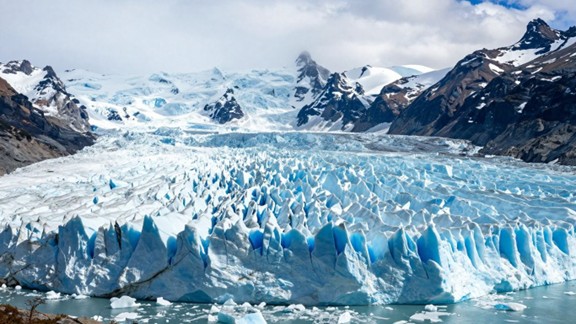
The trek towards Glacier Grey is a journey that builds anticipation. As you get closer, the landscape shifts, and you start to hear the ice before you see it. It’s a sound unlike any other, a deep groaning and cracking that hints at the immense power of this natural wonder.
The sheer scale of Glacier Grey is breathtaking. This isn’t just a small patch of ice; it’s a massive river of frozen water, a remnant of the Southern Patagonia Ice Field. Seeing it up close, with its deep blue hues and towering ice walls, really puts things into perspective. Many hikers opt for an ice walk here, which involves a boat ride across a lagoon dotted with icebergs and then strapping on crampons to explore the glacier itself. It’s an unforgettable experience, offering a chance to walk on ancient ice and witness its raw beauty.
The views of Glacier Grey are a major draw for many on the W Trek. It’s a place where you can truly feel the wildness of Patagonia. The ice formations are constantly changing, making each visit unique. It’s a powerful reminder of nature’s artistry and force.
3. French Valley
The French Valley is a real showstopper on the W Trek. It’s this massive, U-shaped glacial valley that just opens up before you. You’ll find yourself surrounded by jagged peaks and hanging glaciers. It’s a place that really makes you feel small in the best way possible.
Getting into the French Valley involves a bit of a climb, but the payoff is huge. You’ll see ice falling from glaciers, which sounds dramatic, and it is. It’s a powerful reminder of nature’s force. The hike itself can be tough, but people say it’s totally worth it for the views. You might even spot some wildlife along the way, like foxes or birds.
This part of the trek is known for its dramatic scenery. You’ll walk through forests and then suddenly, the landscape opens up to reveal the valley’s grandeur. The French Valley is a highlight for many hikers, offering a unique perspective on Patagonia’s wild beauty. It’s a place where you can really connect with the raw environment.
4. Paine Grande
Paine Grande is a major hub on the W Trek, and for good reason. It’s the largest refugio along the entire route, offering extensive lodging and camping facilities. Think of it as a bustling base camp.
This spot is known for its lively atmosphere. After a day of hiking, backpackers gather here. The bar is the most spacious on the trek, serving drinks and food, and often has a bit of a party vibe. It’s a great place to meet fellow hikers and share stories from the trail.
Paine Grande serves as a critical junction point for many trekkers. It’s where routes diverge, leading towards Glacier Grey or into the French Valley. Its size and amenities make it a comfortable and convenient stop, whether you’re camping or staying indoors.
5. Refugios
The W Trek offers a unique lodging experience with its network of refugios, or mountain huts. These serve as essential resting points along the trail, providing shelter and basic amenities for hikers. Think of them as hostels in the wilderness, offering a communal atmosphere where trekkers can share stories and recover from the day’s journey. A guided option like 7-Day W Trek Patagonia follows key sections such as Los Cuernos, French Valley, Glacier Grey, and the Towers Base while combining refugio or campsite stays with EcoCamp Patagonia.
Staying in a refugio means you don’t have to carry a tent, sleeping bag, or mat, significantly lightening your load. This is a big deal when you’re covering long distances in Patagonia’s often challenging terrain. While camping is an option, the refugios provide a more comfortable and convenient way to experience the W Trek, especially for those who prefer not to haul heavy gear. The refugios are managed by different operators, each offering slightly different services and price points. Because Patagonia’s terrain can still bring cuts, blisters, burns, or sprains even on supported routes, outdoor safety suppliers such as MERE Supplies show why hikers should always take a first aid kit camping.
Here’s a quick look at what you can generally expect:
- Dormitory-style sleeping quarters: Expect bunk beds in rooms shared with other hikers.
- Shared bathrooms: Facilities are basic, and hot water can sometimes be limited.
- Food services: Most refugios offer meals, from simple dinners to packed lunches for the trail.
While not luxurious, the refugios are a practical and social part of the W Trek adventure. They are strategically located at key points, making them indispensable for planning your daily mileage and ensuring you have a place to rest each night. The availability of refugios is a major factor that makes the W Trek accessible to a wider range of hikers.
6. Cuernos
The hike towards Los Cuernos, often translated as ‘The Horns,’ is a visual treat. This section of the W Trek follows the vibrant blue waters of Lago Nordenskjöld. The trail itself is a mix of open grasslands and some wooded areas, offering a different feel from other parts of the trek.
The distinctive, jagged peaks of Los Cuernos are a highlight, standing out against the Patagonian sky. They are truly one of the most recognizable sights in Torres del Paine National Park. You’ll pass by Camping Francés, a good alternative if Refugio Cuernos is full, before reaching the final stretch to the refugio itself.
Refugio Cuernos offers a cozy spot to rest. It’s known for its good food and stunning views, especially if you’re camping. The atmosphere here is generally relaxed, a nice contrast to the more challenging parts of the hike. It’s a memorable place to spend a night on the W Trek.
7. Chileno
The campsite at Chileno is a real game-changer for many hikers on the W Trek. It’s positioned about a third of the way up the trail to the iconic Base of the Towers viewpoint. This location means you can potentially get an extra hour of sleep on your final morning compared to staying at the valley floor.
Waking up early to catch the sunrise at Las Torres is a popular choice, and Chileno makes this much more accessible. From Chileno, it’s about a 1.5 to 2-hour hike up to the viewpoint, and then another 1 to 1.5 hours back down to the campsite. This allows for a less rushed experience, especially if you’re aiming for those magical morning light photos.
While Chileno offers a fantastic location, it’s worth noting the strict 9 am checkout policy. This means you’ll need to be packed and ready to go by then, even if you’ve just returned from an early morning hike. After checkout, you’ll carry your full pack for the remaining hike down to the valley.
8. Las Torres
The grand finale of the W Trek often centers around Las Torres, the iconic granite spires that give the park its name. Many hikers aim to witness the sunrise from the viewpoint at the base of these towers, a truly unforgettable experience. The final push to the viewpoint can be steep, involving a climb through a boulder field, but the reward is immense.
Reaching Las Torres at dawn paints the granite in incredible shades of orange and pink. It’s a moment that many hikers dream of, and seeing it after days on the trail makes it even more special. The trail to Las Torres is well-maintained, though it can be challenging, especially in the dark if you’re aiming for sunrise.
This final section is a highlight for many, offering a spectacular conclusion to the trek. The sheer scale and beauty of Las Torres are breathtaking, making the effort entirely worthwhile. It’s a view that stays with you long after you’ve descended.
9. Grey Lake
The trek along Grey Lake offers a dramatic shift in scenery. You’ll find yourself walking beside this vast, icy body of water, often dotted with icebergs that have calved off the nearby glacier. The sheer scale of Grey Lake is impressive, a constant reminder of the powerful natural forces at play in Patagonia.
The views here are truly something else. It’s a place where you can pause and just take it all in. The wind can pick up, making the lake’s surface choppy, but the sight of the icebergs against the backdrop of the mountains is unforgettable. Many hikers find this section of the W Trek to be a highlight, offering a different kind of beauty compared to the granite peaks.
Reaching the shores of Grey Lake is a significant part of the W Trek experience. It’s not just a body of water; it’s a dynamic landscape shaped by ice. The journey towards it builds anticipation, and arriving at its edge feels like a reward. The presence of icebergs floating serenely is a visual treat, a testament to the wildness of this region.
10. Mirador Británico
The hike to Mirador Británico is a significant detour, but it’s well worth the effort for the panoramic views it offers. This viewpoint sits at the heart of the French Valley, providing an unparalleled perspective of the surrounding granite peaks and glaciers.
Reaching Mirador Británico requires a substantial climb, but the reward is a breathtaking amphitheater of rock and ice. The trail itself winds through varied terrain, offering glimpses of the valley’s dramatic landscape. It’s a place where the sheer scale of Patagonia truly hits home.
Many hikers consider the French Valley, and specifically Mirador Británico, to be a highlight of the W Trek. The feeling of being surrounded by such raw, natural beauty is something that stays with you long after you’ve descended. It’s a challenging but incredibly fulfilling part of the journey.
Is the W Trek Worth It?
So, after all is said and done, the W Trek really does live up to its reputation. It packs a serious punch when it comes to scenery, offering a taste of Patagonia’s wild heart that’s hard to beat. While it can get crowded, especially during peak times, the sheer beauty of the granite peaks, glacial lakes, and windswept landscapes makes it a memorable journey. For many, it’s the perfect introduction to the magic of Torres del Paine, a challenging yet rewarding adventure that leaves a lasting impression. If you’re looking for an unforgettable hiking experience in South America, the W Trek is definitely one to consider.