
Have you ever looked at a yard and wondered why it feels so clean, calm, and beautiful? Sometimes, the answer is not a big garden or fancy design. Sometimes, it is just one well-chosen tree. That is exactly where the Navigator Pear comes in. This tree has become a favorite for many homeowners and gardeners because it brings beauty in a simple and easy way.
In 2026, more people want plants that look great but do not create extra work. They want something that fits modern homes, small spaces, and busy lives. The Navigator Pear matches that need very well. It gives you bright flowers in spring, rich green leaves in summer, strong color in fall, and a neat shape even in winter. It does all this while staying tidy and easy to manage.
In this article, we will talk about why so many people love the Navigator Pear. We will go step by step. We will explain what it is, how it looks, why it stands out, and where it grows best. Everything will be kept simple, clear, and easy to follow.
What Is the Navigator Pear?
The Navigator Pear is an ornamental pear tree. That means people grow it mostly for its looks, not for fruit. This is very important to understand from the start. If someone hears the word “pear,” they may think of a fruit tree in an orchard. But the Navigator Pear is different. It is chosen for beauty, shape, and style.
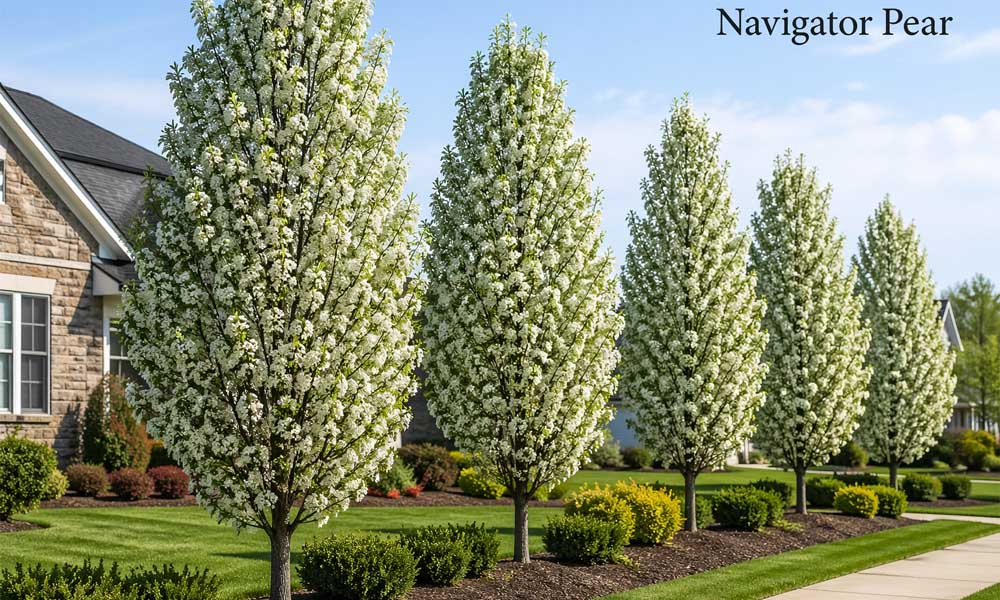
This tree is known for its upright form. It grows in a neat and narrow way, which makes it very useful in places where space is limited. For example, if you have a small front yard or a narrow area near a driveway, a wide tree may feel too heavy for the space. The Navigator Pear solves that problem by growing upward in a clean and balanced shape.
Another reason people like it is that it gives a polished look without much mess. Many fruit trees can drop fruit, attract insects, or create stains on walkways. The Navigator Pear is loved because it keeps the space looking neat. It brings the charm of a pear tree without many of the usual problems people worry about.
Why Gardeners Love the Navigator Pear
There are many reasons gardeners choose the Navigator Pear, but one of the biggest is simple. It looks beautiful for most of the year. Some trees only shine for a few weeks. They may bloom once and then fade into the background. The Navigator Pear is not like that. It stays interesting through the seasons, which makes it feel like a smart long-term choice.
In spring, it covers itself with white flowers. In summer, it holds glossy green leaves that look rich and healthy. In fall, it becomes full of warm colors like red, orange, and yellow. Then in winter, even without leaves, the upright shape still gives the garden structure. So when gardeners plant a Navigator Pear, they are not just planting for one season. They are planting for year-round beauty.
People also love how simple it feels. Not everyone wants a tree that needs constant care. Many homeowners today are busy. They want beauty, but they do not want extra stress. The Navigator Pear fits that lifestyle. It looks elegant, works in many spaces, and does not usually create the heavy mess that some other trees do. That is a big reason it keeps becoming more popular.
Navigator Pear Tree Size and Shape
The size of the Navigator Pear is one of its strongest points. It is tall enough to stand out, but it is not so wide that it takes over the whole yard. In general, this tree grows to about 20 to 26 feet tall and around 12 to 13 feet wide. That makes it a medium-sized tree with a very useful shape.
Its form is often described as narrow and pyramidal. This means it is wider near the bottom and more pointed toward the top. It grows upward in a tidy way instead of spreading too far out. This is why the Navigator Pear works so well in places where a broad tree would feel too large. Think about narrow side yards, front walkways, or the area near a home entrance. In those spaces, shape matters a lot.
This upright habit also gives the landscape a strong sense of order. Some trees feel wild and loose. That can be beautiful in the right place, but not every yard needs that look. The Navigator Pear gives a more controlled feel. It adds height, balance, and structure. For gardeners who like clean lines and a well-planned look, that is a huge advantage.
Navigator Pear Flowers and Spring Beauty
Spring is one of the most exciting times for the Navigator Pear. After the quiet months of winter, this tree wakes up with clusters of bright white flowers. The blooms give it a soft and fresh look that can completely change the feel of a yard. A plain garden corner can suddenly look alive and full of charm.
These flowers are one reason so many people fall in love with the tree. Imagine walking outside in early spring and seeing a narrow tree covered in white bloom. It feels light, cheerful, and elegant. It can make the front of a house look more welcoming. It can also make a driveway or path feel more special. Even one Navigator Pear can create that effect.
The spring display also makes the tree useful as a focal point. If you want one part of your garden to catch the eye, this tree can do that with ease. Its flowers are not loud in a harsh way. Instead, they bring a clean and graceful beauty. That soft beauty is part of what makes the Navigator Pear such a favorite in home landscapes.
Navigator Pear Leaves and Fall Color
After the spring flowers pass, the Navigator Pear moves into another beautiful stage. Its leaves grow in thick and glossy. They are dark green and often have a fresh, polished look. During summer, this gives the tree a full and healthy appearance. It does not look dull or weak. It looks rich and alive.
This summer look matters more than people sometimes realize. A tree may bloom beautifully in spring, but if it looks plain for the rest of the year, it may not feel as special. The Navigator Pear avoids that problem. Its green foliage keeps it attractive through the warm months, even when flowers are gone. It still adds beauty and shape to the yard.
Then fall arrives, and this is when the tree becomes even more eye-catching. The leaves can turn bright shades of red, orange, yellow, or deep burgundy. On some trees, the color feels almost glowing in the afternoon light. This strong fall show is one of the biggest reasons the Navigator Pear stands out. It gives gardens warmth and color just when many other plants begin to fade.
Where to Plant a Navigator Pear
One of the best things about the Navigator Pear is how easy it is to place in a landscape. Because it grows upright and does not spread too wide, it can fit where many other trees cannot. This makes it a smart choice for front yards, side yards, driveways, and entry areas. If you have a small or narrow space, this tree can still make a big visual impact.
It also works beautifully in rows. For example, some people plant a line of Navigator Pear trees along a driveway or property edge. This creates a neat and elegant look right away. In formal gardens, that kind of repeated shape can make the whole design feel more organized. Around homes and buildings, it adds height without making the area feel crowded.
Still, it is important to plant it in the right spot. Since the tree grows fairly tall, it should not be placed directly under power lines. It also needs enough room around it so it can grow in its natural shape. Giving it proper space from walls, paths, and other trees helps it stay healthy and keeps the overall design looking clean.
Best Growing Conditions for Navigator Pear
The Navigator Pear grows best in full sun. This means it should get plenty of direct sunlight during the day. Sunlight helps the tree grow strong, bloom well, and develop better fall color. If a tree sits in too much shade, it may not look as full or colorful as it should. So when choosing a place to plant it, bright open space is usually the best choice.
When it comes to soil, the Navigator Pear is fairly adaptable. That is good news for gardeners because not every yard has perfect soil. In general, the tree likes well-drained soil most. Good drainage matters because roots do not like sitting in water for too long. If the soil stays wet all the time, that can lead to stress and root problems.
The nice thing is that this tree is not usually too fussy. It can handle different soil types better than many people expect. As long as it has sunlight and the soil drains reasonably well, it can settle in nicely. That makes the Navigator Pear feel like a practical choice for both experienced gardeners and beginners who want something beautiful without too much trouble.
Navigator Pear in Cold and City Areas
Another reason the Navigator Pear has become so popular is its strong ability to handle hard conditions. Many gardens are not perfect. Some are in very cold places. Some are near roads and traffic. Some are in busy city areas with pollution and heat. The good thing is that this tree is often chosen because it can deal with these kinds of challenges better than many other ornamental trees.
For cold regions, this is especially helpful. A lot of people want a beautiful flowering tree, but they worry winter will damage it. The Navigator Pear is often seen as a reliable option in colder climates. That gives homeowners more confidence when choosing a tree for long-term planting. Instead of picking something delicate, they can choose something attractive and sturdy.
It also performs well in urban spaces. Think about streets, sidewalks, parking lots, and commercial buildings. These places can be tough for plants. Yet the Navigator Pear is often used there because it keeps a neat look while handling those conditions better than many trees. That mix of strength and beauty is exactly why so many gardeners and landscapers continue to love it.
Navigator Pear Tree Uses in Garden Design
The Navigator Pear is not just a pretty tree. It is also very useful in design. In many landscapes, shape is just as important as color. A tree with a narrow and upright form can help guide the eye, frame a space, or make an area feel more elegant. That is one reason this tree works so well in both simple home gardens and more formal designs.
Some people use one Navigator Pear as a focal point in a front yard. This works well when the rest of the space is open and clean. The tree draws attention without feeling too heavy. Other people plant two of them, one on each side of a path or driveway. That creates balance and gives the home a more polished look. It is a simple idea, but it can make a big difference.
In city landscapes, the tree is also very helpful. It softens hard edges around buildings, roads, and sidewalks. In narrow spaces, it gives height without blocking everything around it. In formal gardens, it adds order and rhythm. These are the kinds of design details that make the Navigator Pear much more than just another ornamental tree.
How to Care for a Navigator Pear
The best part for many homeowners is that the Navigator Pear is not difficult to care for. When the tree is young, it needs regular watering so the roots can become strong. This stage is very important. A young tree that gets proper care early on usually settles in better and grows more evenly.
Once the tree becomes established, it usually needs less attention. It can manage normal garden conditions quite well, though it still helps to water during very dry times. If the soil is poor, a balanced fertilizer in early spring may support healthy growth. But it is best not to overdo it. Too much feeding can create problems instead of helping.
Pruning is usually light and simple. Most of the time, gardeners only need to remove dead, damaged, or weak branches. Late winter is often the best time for this, before strong spring growth begins. The good news is that the Navigator Pear naturally keeps a neat shape, so it usually does not need heavy cutting to stay attractive.
Problems to Watch With Navigator Pear
Like any tree, the Navigator Pear can have a few problems if it is planted in the wrong place or not cared for well. The good news is that it is often seen as a strong and dependable tree. Still, no tree is perfect. A little attention now and then can help you avoid bigger problems later.
One of the main things to watch is poor drainage. If water sits around the roots for too long, the tree can become weak. The leaves may not look as healthy, and growth may slow down. This is why planting the Navigator Pear in well-drained soil matters so much. A bright place with soil that does not stay soggy is usually the safest choice.
It is also smart to check the branches from time to time. If you notice dead, broken, or weak branches, remove them during the right pruning season. This helps the tree stay neat and healthy. Some gardeners also watch for signs of disease, such as branch dieback or poor leaf growth. The Navigator Pear is often chosen because it is seen as more reliable than some other pear trees, but simple care still makes a big difference.
Navigator Pear vs Regular Pear Trees
Many people hear the word “pear” and think of a fruit tree right away. That is why this section is important. The Navigator Pear is not the same as a regular pear tree grown for eating. A fruit pear tree is planted so people can harvest pears. The Navigator Pear is planted mainly for shape, flowers, leaves, and color.
This difference changes everything. A regular pear tree can be lovely, but it often drops fruit. That fruit can make the ground messy. It can also attract insects or need more cleanup. The Navigator Pear is loved because it gives the beauty of a pear tree without much of that trouble. For busy homeowners, that is a very big plus.
The purpose is also different. If you want fresh pears for your kitchen, then a fruit pear tree makes more sense. But if you want a tree that makes your front yard look tidy, stylish, and colorful, the Navigator Pear is the better choice. It is all about knowing what you need. Beauty and structure on one side, fruit harvest on the other.
Top Benefits of the Navigator Pear
The Navigator Pear has many benefits, and that is why it keeps gaining attention in modern gardens. One of the biggest benefits is year-round interest. In spring, you get white flowers. In summer, you get rich green leaves. In fall, you get bright color. In winter, you still have a neat upright shape. Few trees can give so much in every season.
Another major benefit is its narrow form. Not everyone has a large yard. Many homes today have smaller outdoor spaces, and people want plants that fit without making the area feel crowded. The Navigator Pear works well in these places because it grows up more than out. It adds height and beauty without swallowing the whole garden.
Then there is the easy-care side of it. People love a tree that looks polished but does not ask for too much work. The Navigator Pear gives that feeling. It does not usually create the heavy mess linked with fruit trees. It only needs simple watering, light pruning, and basic care. For many gardeners, that mix of beauty and ease is exactly what they want.
Conclusion
By now, it is easy to see why the Navigator Pear has become such a favorite. It is elegant, practical, and simple to live with. It gives beauty in every season, fits into smaller spaces, and keeps a garden looking neat and organized. For many people in 2026, that is the perfect mix.
Think about what most homeowners want today. They want something that looks special but does not create stress. They want color, shape, and charm without too much extra work. The Navigator Pear answers that need in a very natural way. It feels modern, but it also has a timeless beauty that works in many kinds of landscapes.
If you are planning a new garden or improving an old one, this tree is worth thinking about. It can stand proudly in a front yard, line a driveway, or add structure to a formal design. The Navigator Pear is not just another ornamental tree. It is a smart and stylish choice that many gardeners are happy they made.
You may also read: Gail Ernst: From Army Ranger to Quiet Life After a Public Divorce