
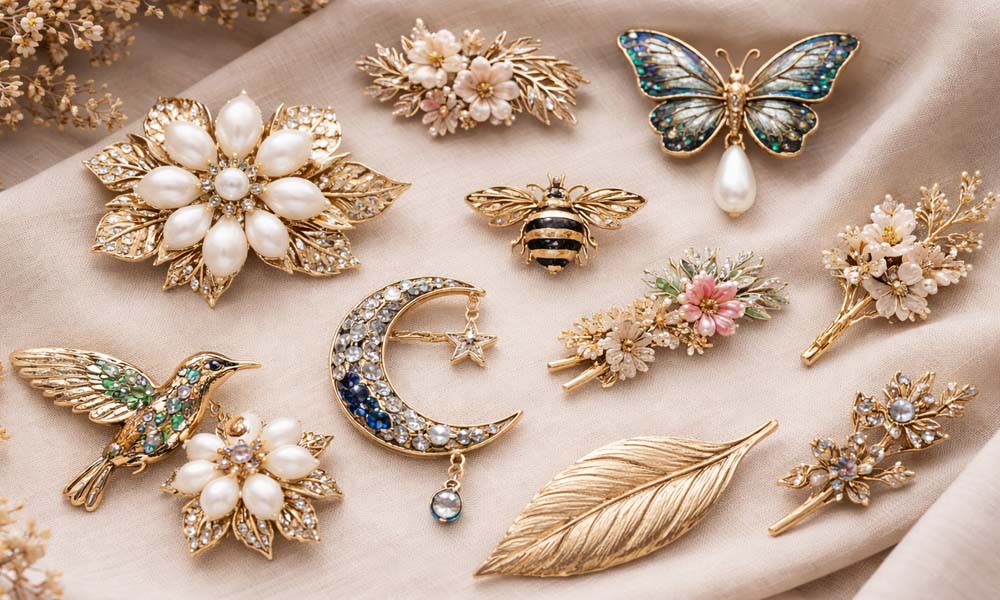
Sometimes, the smallest fashion detail makes the biggest change. A simple shirt, plain blazer, or soft sweater can look much more special with one beautiful pin. That is why sagės are getting so much attention again in 2026.
Many people want clothes to feel more personal now. They do not always want to buy a whole new outfit. Instead, they look for small items that can make old clothes feel fresh, stylish, and more interesting. Sagės do exactly that.
These lovely pins are not only pretty to look at. They also carry history, culture, and meaning. Some people wear them for beauty. Some wear them to remember family. Others wear them because they enjoy small details that make an outfit feel complete.
In this article, we will talk about what sagės are, why they feel so special, where they come from, and why they are popular again. We will also look at their old roots, their fashion value, and the many styles people love today.
What Are Sagės?
In the easiest words, sagės are decorative pins that people wear on clothing. They are very close to brooches, and in many cases, they are basically the same kind of accessory. The front has a design, and the back has a pin and clasp.
That simple design makes them both useful and beautiful. A sagė can decorate an outfit, but it can also help hold fabric in place. For example, it can secure a scarf, close a shawl, or sit neatly on a jacket lapel.
One nice thing about sagės is how flexible they are. You can wear them on blazers, dresses, coats, sweaters, bags, hats, and more. Some are tiny and quiet. Others are large and bold, becoming the first thing people notice.
Because they are so easy to move around, sagės can work with many looks. You do not need a full jewelry set or a fancy dress. Even one small pin can make simple clothes feel more thoughtful, stylish, and finished.
Why Sagės Feel So Special
A lot of jewelry looks nice, but sagės often feel more personal. A necklace usually stays around the neck. A ring stays on the hand. But a sagė can move from a coat to a dress, from a scarf to a handbag, and always feel new.
That small freedom makes them exciting. You can change your look without changing your whole outfit. Have you ever worn something plain and felt like it needed a little life? A sagė can solve that in a very simple and quiet way.
They also feel special because they often say something about the person wearing them. One person may choose a flower. Another may choose a bird, sun, or heart. These small choices can show taste, memories, values, or even mood.
For many people, sagės are not just random fashion pieces. They can feel thoughtful and meaningful. Some are gifts. Some are family keepsakes. Some are chosen for a special day. That is why they often hold more feeling than many other accessories.
The Long Story of Sagės
The story behind sagės is very old. Decorative pins have existed for a very long time, going back to ancient times. Long before buttons and zippers became common, people needed something strong to hold clothes together. That is where early pins came in.
In the Bronze Age, people used early brooch-like fasteners called fibulae. These were practical pieces that helped keep heavy clothing closed. At first, they were mainly useful tools. But as time passed, people started making them more beautiful and detailed.
Later, these useful fasteners slowly turned into jewelry. Makers used bronze, silver, and gold. Some pieces included stones, glass, enamel, or carved details. What began as a daily need became something that also showed style, craft, and beauty.
That long history is one reason sagės still feel timeless today. They connect old ways of dressing with modern fashion. Even though clothes have changed a lot, people still love the idea of one small piece that can be both useful and beautiful.
Sagės in Old Traditions
In many places, pins like sagės were more than fashion. They had an important place in traditional dress and daily life. In parts of Europe, especially in Baltic areas, these pins were used to fasten shawls, cloaks, and special clothing.
But they did more than hold fabric together. They could also show where a person came from, what group they belonged to, or even their place in society. In some communities, details in the design carried meaning that local people understood right away.
Many traditional sagės included symbols from nature and daily life. Common designs showed suns, spirals, leaves, flowers, or animals. These shapes were not only pretty. They often connected to old beliefs about life, protection, nature, and family.
Because of that, sagės often became family treasures. They were sometimes passed from one generation to the next. A pin could carry a memory of a mother, grandmother, or special event. That gave it value far beyond money or fashion.
Why Sagės Are Popular Again
For some years, brooch-style pins were often seen as old-fashioned. Many people connected them with older generations, formal events, or royal style. But that view has changed a lot, and now sagės are clearly making a strong return.
Fashion in 2026 is full of personal touches. People want clothes to feel unique, not copied from everyone else. They also love vintage finds, handmade pieces, and items with story and meaning. That new fashion mood has opened the door for sagės again.
Another reason is simple and smart. Many people are trying to buy fewer clothes and use what they already have in better ways. A sagė can make an old coat feel fresh, a plain dress feel lovely, or a simple sweater look much more styled.
That is why you now see sagės in many places again. They appear on runways, in street style, on social media, and at special events. They fit modern fashion very well because they are small, useful, beautiful, and easy to make personal.
Different Types of Sagės
One of the best things about sagės is the huge variety of styles. There is truly something for almost everyone. Some pins are soft and classic. Others are bright and playful. Some feel old and rich, while others look clean and modern.
Floral sagės are very popular because they feel gentle and elegant. They may look like petals, leaves, or small branches. These designs work well on dresses, knitwear, and jackets. They often bring a soft and pretty feel to everyday outfits.
Geometric styles are also loved by people who enjoy a modern look. These can include circles, lines, bars, squares, or simple abstract shapes. They feel neat, clean, and easy to wear, especially with blazers, work clothes, or simple outfits.
Animal designs are another favorite choice. Birds, butterflies, bees, cats, and dogs all appear in modern sagės. Some people choose them because they are cute. Others choose them because they connect to a memory, a pet, or a symbol they love.
What Sagės Are Made Of
The look and feel of sagės often depend on the materials used to make them. Many traditional pieces were made from bronze, silver, or gold. These materials gave them beauty, strength, and a lasting quality that made them easier to pass down.
Today, many modern pieces use brass, stainless steel, or plated metals. These options help keep sagės more affordable while still looking stylish. That is one reason they appeal to many people, from fashion lovers to casual shoppers.
Makers also use extra materials to change the style. Enamel adds strong color. Resin creates a glossy finish. Pearls, beads, and stones can make a pin feel more dressy. Fabric details can make a piece feel softer and more artistic.
The back part matters too. A sagė usually has a pin and clasp that keep it secure while you move. Lighter pieces work better on thin fabrics. Heavier sagės are often safer on coats, wool, denim, and other stronger materials.
How to Wear Sagės Every Day
Now that we have looked at the history, meaning, and styles of sagės, the next question is simple. How do you actually wear them in real life? The good news is that they are one of the easiest fashion pieces to use.
You do not need a fancy dress or a special event to enjoy sagės. A small pin can look beautiful on a plain sweater, a simple coat, or even a soft scarf. That is why many people now use them in everyday outfits, not just formal ones.
One easy place to start is the blazer lapel. This is a classic choice because it looks neat and polished without much effort. If you wear a blazer for work, lunch, or a meeting, one sagė can make the whole look feel more finished.
Another lovely idea is to wear a sagė on a shirt collar or near the neckline of a dress. This can work almost like a necklace, but in a softer and more different way. It gives the outfit a point of interest without adding too much.
You can also use sagės to hold a scarf or shawl in place. This is both useful and stylish. Instead of tying the fabric in a basic way, a decorative pin can make the scarf look more graceful while keeping it secure through the day.
Some people also wear sagės on hats, handbags, or even one side of a sweater. A few small pins grouped together can look creative and fun. If the rest of your outfit is simple, this small styling move can stand out in a very pretty way.
How to Pick the Right Sagė
Choosing the right sagė does not have to feel hard. The best place to begin is with your own taste. Ask yourself a simple question. Do you like soft and classic things, or do you enjoy bold and playful details more?
If your clothes are usually simple and clean, a smooth metal design or a small shape may suit you best. If you enjoy soft and romantic looks, flower or leaf styles may feel just right. If you like fun fashion, animal or bright enamel pieces may suit you more.
Size also matters when picking sagės. Small and medium pins are usually the easiest for everyday wear. They are simple to style and do not feel too heavy. Large pieces can look amazing too, but they often work best when you want a stronger fashion moment.
Think about fabric as well. Heavy pins feel better on coats, jackets, and thicker knits. Light pins are safer for soft tops and dresses. This is important because the right match helps both the pin and the clothing stay in better shape.
Color is another helpful thing to think about. Some people like sagės that blend into an outfit. Others enjoy a piece that stands out right away. Both choices work well. It only depends on whether you want a quiet touch or a strong focal point.
If you are just starting, try one medium-sized sagė in a style you truly like. Wear it on a coat, blazer, or sweater first. This makes it easy to test how it feels. Later, you can slowly build a small collection that suits different moods and outfits.
Sagės for Work, Parties, and More
One reason people love sagės is that they fit many different moments. You do not have to save them for weddings or formal nights. They can be part of daily life, work style, dinner outfits, and special events all at the same time.
For casual days, a simple enamel pin, a small flower, or a neat metal bar can work beautifully. These styles look great on denim jackets, cardigans, and soft tops. They add just enough interest without making the outfit feel too dressed up.
For work, sagės can show personality in a quiet and smart way. A clean design on a blazer lapel can make office clothes feel less plain. It shows care and style, but still keeps the look professional and easy for meetings or presentations.
At parties or dinners, you can choose a design with more shine or detail. Pins with pearls, stones, or rich metalwork often look very lovely in evening settings. They can take the place of a necklace and become the main piece of the whole outfit.
At weddings or cultural events, larger sagės can feel extra special. They often bring beauty, tradition, and meaning together in one small item. A piece like that can help an outfit feel complete while also showing respect for the mood of the occasion.
So whether you are going to work, walking through town, or dressing for an important event, sagės can come with you. That is what makes them such a smart fashion choice. They move easily from simple moments to more special ones.
The Meaning Behind Sagės
Fashion is not always only about looks. Sometimes it is also about memory, meaning, and feeling. This is another reason sagės matter so much. A small pin can carry a story that no one else sees right away, but the person wearing it always knows.
Some people choose a sagė because it reminds them of someone they love. It may be a gift from a parent, a piece from a grandmother, or a pin worn on an important family day. Because of that, it becomes more than just an accessory.
Other people choose sagės because of the symbol on them. A bird may mean freedom. A flower may remind them of spring, love, or home. A sun shape may connect to old tradition or personal strength. These details can make a piece feel deeply personal.
In many places, pins like these were once signs of group identity, family connection, or social role. Even today, public figures often wear certain pins to show pride, values, or support for a cause. So a sagė can be quiet, but still full of message.
This is why sagės often stay important for years. A person may wear one on birthdays, family events, or other meaningful days. Even if no one asks about it, the meaning stays close. That private feeling can make the piece even more special.
So when people say sagės are timeless, they do not only mean the design. They also mean the feeling behind them. A piece that holds beauty and memory at the same time is never just a small random thing. It becomes part of a person’s story.
How to Keep Sagės Safe and Beautiful
Good care helps sagės stay lovely for a long time. The first step is simple. Store them in a safe place where they will not rub against other jewelry. A soft pouch or a box with small spaces is often the best choice.
If pins touch each other too much, they can get scratched or bent. Stones and enamel can also lose their nice look over time if they are not stored carefully. A little care now can help your favorite pieces stay beautiful for many years.
It is also smart to keep sagės away from strong perfume, hair spray, or cleaning products. These can slowly dull the metal or damage parts of the design. It is better to put the pin on after you finish getting ready, not before.
After wearing a sagė, wipe it gently with a soft dry cloth. This removes skin oils, dust, and small marks from the day. You do not need anything fancy. A simple gentle wipe can make a big difference in keeping the piece fresh.
Check the back of the pin now and then too. The clasp and pin should feel strong and close well. If an older piece feels loose, a jeweler may be able to fix it. This is important because a weak clasp can damage clothes or cause the pin to fall.
When you care for sagės in a simple and regular way, they stay safer and nicer to wear. This is especially helpful if the piece is old, meaningful, or part of a family collection. Small care habits can protect both beauty and memory.
Common Mistakes to Avoid With Sagės
Even though sagės are easy to wear, there are still a few mistakes that beginners sometimes make. The most common one is using a heavy pin on very thin fabric. This can pull the cloth and make the item sit in a strange way.
Another mistake is placing the pin where the fabric moves too much. If a sagė is attached to a loose area, it may shift during the day. That can feel annoying and may also make the outfit look less neat than you wanted.
Some people also wear too many sagės at once without balance. A small group of pins can look fun and stylish, but too many pieces together can make the outfit feel crowded. It helps to let one area shine while the rest stays simple.
Ignoring the clasp is another problem. If the back does not lock well, the pin may slip off without notice. This is especially risky with vintage or delicate pieces. A quick check before leaving home can save both the pin and your clothing.
It is also smart to think about the full outfit before adding a sagė. If your clothes already have strong prints, shiny buttons, or bold jewelry, a large pin may be too much. In that case, a smaller and cleaner design may work better.
The nice thing is that these mistakes are easy to avoid. Once you learn what feels balanced, safe, and comfortable, wearing sagės becomes simple. A little attention goes a long way, and soon the styling starts to feel natural.
Why Sagės Belong in Every Closet
Some accessories come and go, but sagės stay useful year after year. That is because they bring together so many good things in one small piece. They add style, hold fabric, show personality, and often carry meaning too.
They also work with many kinds of fashion. You can wear them with modern clothes, vintage looks, work outfits, or formal wear. A single pin can live in many parts of your wardrobe, which makes it more useful than many people expect.
Another reason sagės belong in every closet is that they are easy to collect slowly. You do not need ten at once. One simple piece can be enough to begin. Then over time, you may add others for work, events, or personal reasons.
They also make thoughtful gifts because sizing is not a problem. A sagė can match someone’s favorite color, hobby, or style. That makes it feel personal in a very easy way. It is a small gift, but it can leave a strong memory.
In today’s fashion world, many people want clothes to feel more personal and less wasteful. Sagės fit that need very well. They help refresh old outfits instead of replacing them, and that makes them both stylish and practical in 2026.
So even if you have never worn one before, there is a good chance a sagė could work for you. It can be quiet or bold, simple or rich, old or modern. That wide range is exactly why it earns a place in almost every closet.
Conclusion
At first glance, sagės may look like small decorative pins. But once you learn more about them, it becomes clear that they offer much more than surface beauty. They hold history, craft, personal style, and quiet meaning all in one small form.
They began as practical tools used to fasten clothing. Over time, they grew into jewelry and cultural symbols. Today, they still do both jobs in a modern way. They can help shape an outfit while also showing memory, identity, or simple good taste.
That is what makes sagės so special in 2026. They are easy to wear, easy to move, and easy to love. They fit casual looks, office wear, formal outfits, and personal collections. Few accessories are this flexible and this timeless at once.
So if your clothes ever feel a little plain, a sagė may be the simple answer. One pin can change the mood of a whole outfit. And sometimes, that small detail is exactly what makes everything feel finished, personal, and special.
(FAQs)
What are sagės in simple words?
Sagės are decorative pins that people wear on clothes. They are very similar to brooches and usually have a design on the front with a pin and clasp on the back. People wear them to make outfits look more stylish, special, and complete.
Are sagės and brooches the same thing?
Yes, in most cases, they are almost the same. The word sagės is often used in Lithuanian, while brooch is the more common international word. Both names describe a decorative pin that can be worn on jackets, dresses, scarves, sweaters, and more.
Why are sagės becoming popular again in 2026?
Sagės are becoming popular again because fashion in 2026 is more personal and creative. People want to make simple clothes look fresh without buying a whole new wardrobe. Sagės are perfect for that because they are stylish, meaningful, easy to wear, and often feel more special than other small accessories.
Where can I wear sagės on my outfit?
You can wear sagės in many places. They look beautiful on blazer lapels, shirt collars, sweaters, dresses, coats, scarves, hats, and even bags. Some people wear one pin as a small detail, while others use a few tiny pins together to create a more creative look.
Can sagės be worn with casual clothes, or are they only for formal outfits?
Sagės can be worn with both casual and formal clothes. A simple enamel pin or small metal design works well with denim jackets, cardigans, and everyday tops. For weddings, parties, or cultural events, larger sagės with pearls, stones, or detailed metalwork can become the main piece of the outfit.
How do I choose the right sagė for myself?
The best way is to think about your personal style first. If you like soft and classic fashion, floral or simple metal sagės may suit you. If you enjoy bold looks, larger or brighter pins may be better. It also helps to think about size, fabric, color, and where you plan to wear it most often.
Do sagės damage clothes?
They can be safe if you use them the right way. Light sagės are better for soft fabrics, while heavier pins work better on coats, jackets, and thick knits. It is also smart to pin them through stronger parts of clothing, like seams or double layers, so the fabric stays neat and protected.
Are vintage sagės a good choice?
Yes, vintage sagės are often a wonderful choice because they can have beautiful details and a rich story behind them. Many older pieces feel more unique than modern mass-made accessories. Before wearing one, it is important to check that the pin and clasp still work well so it stays secure on your clothes.
Can sagės have special meaning, or are they just fashion pieces?
Sagės can have deep meaning for many people. Some are family gifts or pieces passed down from older relatives. Others have symbols like flowers, birds, or sun shapes that remind the wearer of a memory, value, or personal story. That is why sagės often feel more personal than regular jewelry.
How should I store and care for sagės at home?
It is best to keep sagės in a soft pouch or a jewelry box with separate spaces so they do not scratch each other. Keep them away from perfume, sprays, water, and strong cleaning products. After wearing one, gently wipe it with a soft dry cloth and check the clasp now and then to make sure it stays safe and strong.
You may also read: Uncategorized BizWebGenius Archives: Why They Hurt Your Site (And How to Fix Them)