
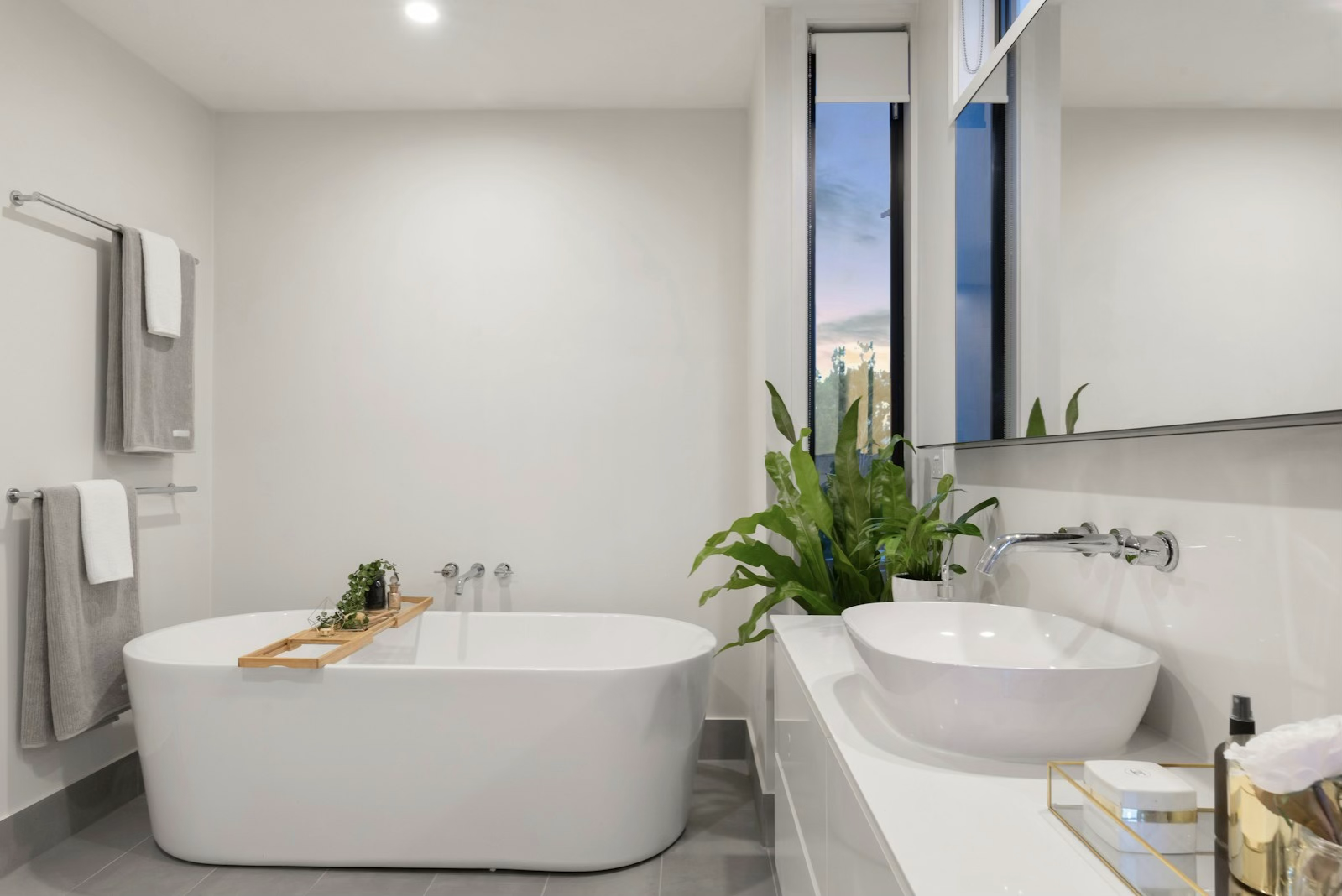
We spent three months using the towels everyone keeps talking about, washing, drying, and living with them through a wet winter. After thirty cycles, some held up beautifully… others, not so much. Here’s the rundown on which Egyptian cotton claims are legit, which towels really lasted, and the underdog brand beating pricier labels.
A real luxury towel isn’t about the label, it’s about the weight, fiber, and weave. Brands love their buzzwords. ‘Spa-soft,’ ‘hotel-quality,’ ‘Egyptian cotton,’ ‘lasts a lifetime’, but those don’t mean much. You only know if a towel is worth the splurge after you use it, week after week.
It’s wild how towels have turned into status symbols. Scroll through interiors feeds now and you’ll find plush bath sheets costing more than your groceries. So we went practical, got the towels, washed them, lived with them, and tracked what actually made a difference.
Three names kept popping up: Onuia, the heavily advertised new kid; Frontgate, the long-reigning American luxury staple; and Kemet Cotton, a premium cotton brand using actual Egyptian cotton. Here’s what we found, and what matters more than a shiny logo.
What actually makes a bath towel “luxury”
Forget the fancy descriptions. For a towel to feel expensive a year in, three things count:
GSM (grams per square meter): This is the towel’s weight, aka density. Grocery store towels hit around 400–500 GSM, thin, light, not very plush. Luxury lands between 600–800 GSM. Under 600 feels flimsy, but go above 800 and drying takes forever.
Fiber and staple length: Long-staple cotton, like real Egyptian or Supima, means longer fibers, fewer loose threads, less lint, and way better durability. Short-staple cotton looks fine at first and then pills fast.
Construction: You want combed, ideally zero-twist yarn, double-stitched hems, and a solid dobby border. Check the hem, it’s where cheap towels unravel. Always flip the towel and look at the stitching.
The Egyptian cotton problem
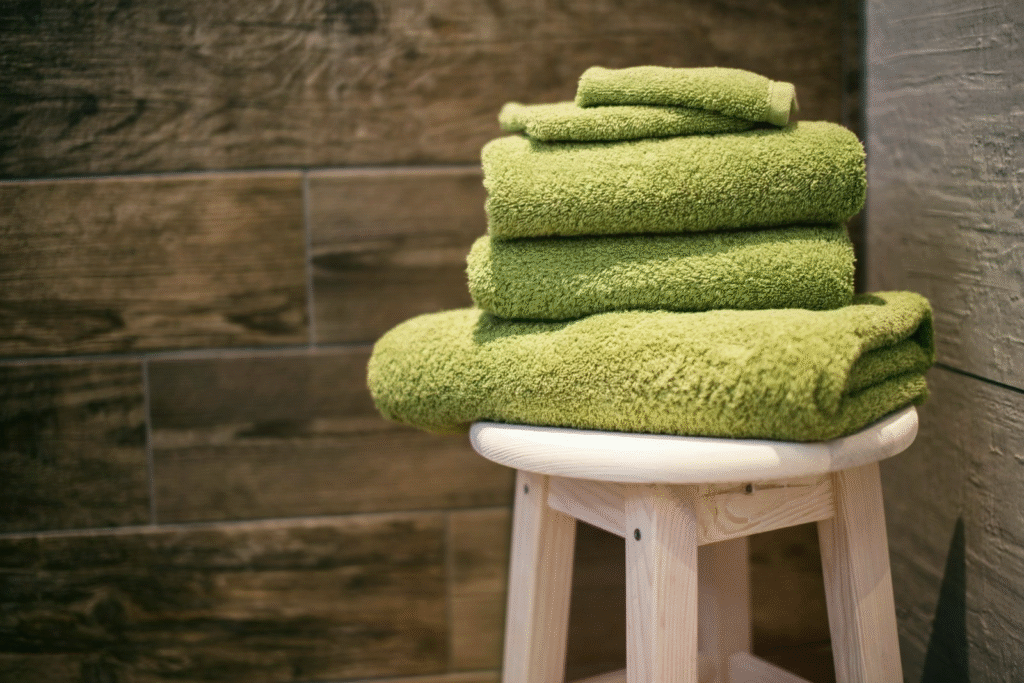
Here’s the truth: “Egyptian cotton” isn’t a protected term. Brands print it on just about anything, whether the towel contains Nile Delta fibers or not. The real stuff is rare and pricey. If the label pops up everywhere, odds are it’s mostly marketing.
Before paying extra, check these:
– Clear origin. Authentic Egyptian cotton should say where it’s grown and made.
– Percentage. “Egyptian cotton” can mean a tiny blend. Look for 100% and read carefully.
– Realistic price and GSM. Genuine long-staple cotton at 600–800 GSM costs real money.
– Independent testing. We compared our wash and wear results to Cotton With Love best luxury bath towels, a site that tracks how towels hold up over repeated cycles.
Onuia towels: Are they worth it?
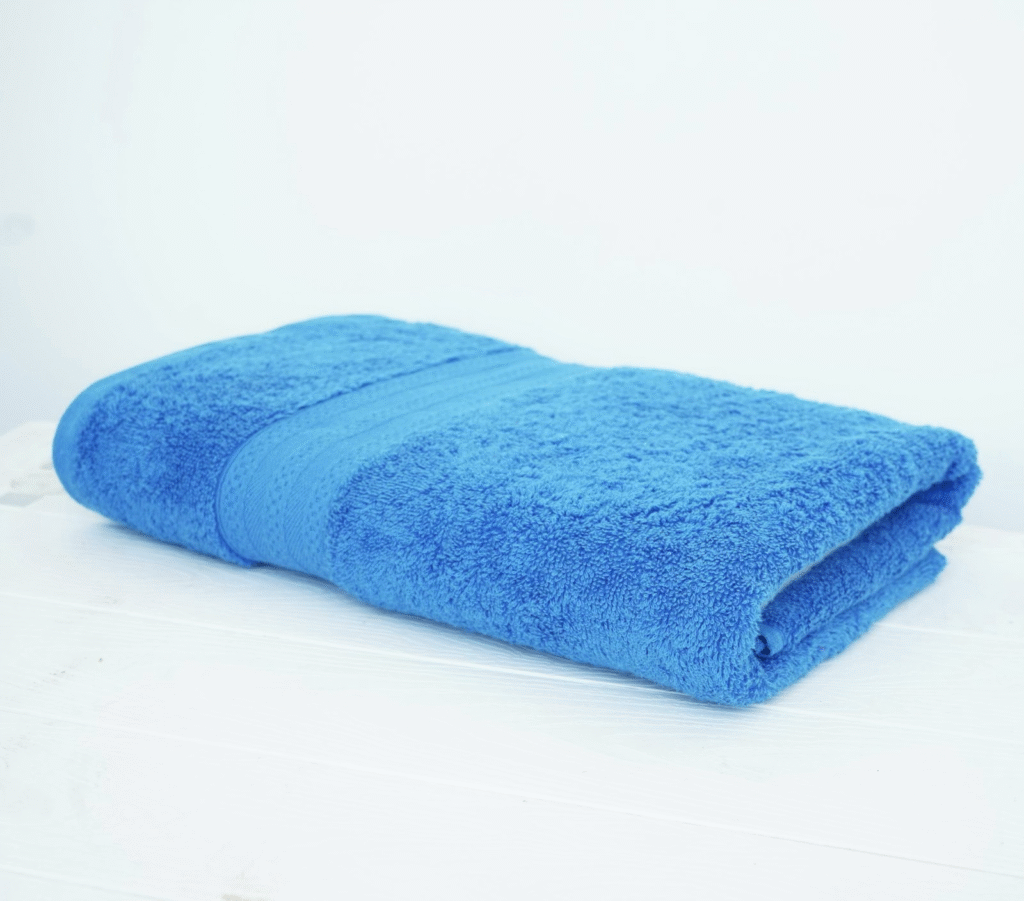
Onuia’s everywhere, if you’ve seen their ads, you know. They look great, the colors are solid, and fresh out of the pack they feel nice and soft. Lots of people ask if Onuia towels are actually good. At first, yeah, they’re decent.
But after a few washes, the shine fades. Onuia c GSM their towels are, or how much actual Egyptian cotton goes in. The price is inflated for the branding, and we saw some linting and softness fading over time. Their towels are okay, just not the best value.
Frontgate Resort Collection towels
Frontgate is the classic luxury option. The Resort Collection delivers hotel-grade thickness, usually at 800 GSM or higher, dense and super plush. If you want the big, enveloping spa feel (and you don’t mind paying), they nail it.
Kemet Cotton: Value winner
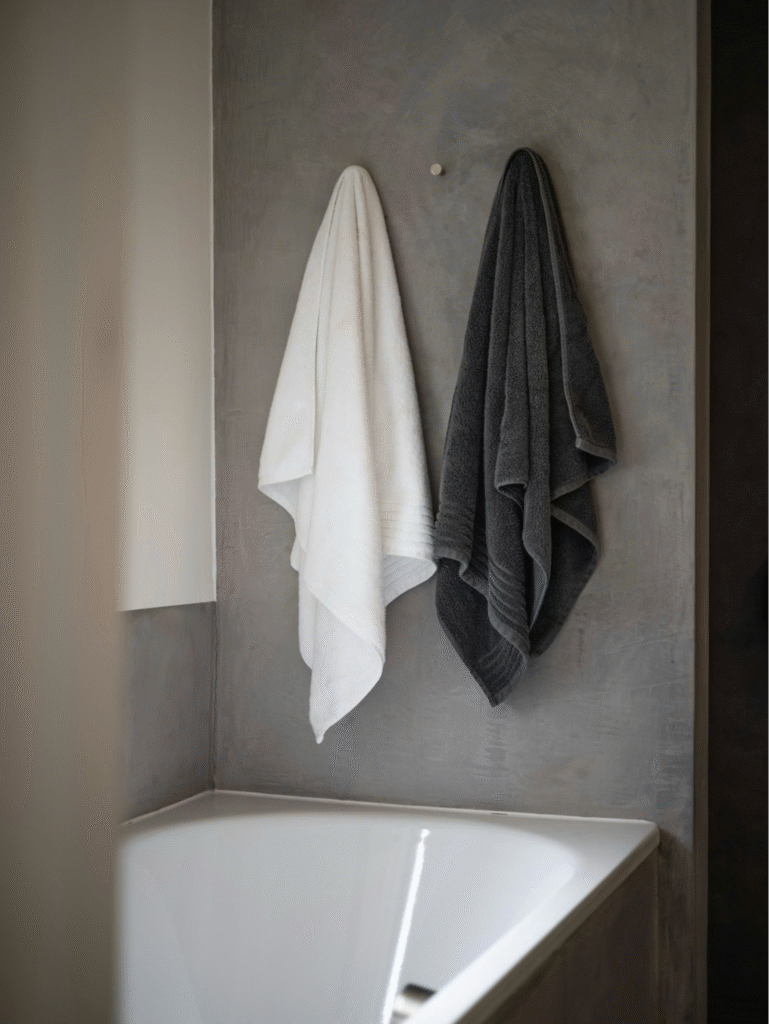
Kemet Cotton surprised us. Unlike the others, they actually tell you what you’re buying, where the cotton is grown, the GSM, and the exact blend. Their Signature line is 600 GSM, Reserve is 800, both 100% genuine Egyptian cotton, and shipped for free with a 90-day guarantee.
After a couple washes, their towels matched Frontgate for softness and beat Onuia for transparency and price. We keep reaching for the 600 GSM Signature towel because it dries quick and still feels thick, perfect for British bathrooms. It’s become our go-to, which says a lot.
Quick verdict:
– Best value: Kemet Signature 600 GSM.
– Best luxury hotel feel: Frontgate (if you’ve got the budget, and patience for slow drying).
– Most hyped: Onuia.
| Brand | Weight (GSM) | Cotton and origin | Certification | Price | Our score |
| Onuia | Claims 600 (measured ~550 to 570) | 100% cotton, sourced from China; labelled Egyptian | No Pyramid Mark | ~$45 to $60 / 4-piece set | 3.2 / 5 |
| Frontgate Resort | ~700, oversized | Egyptian cotton, origin unverified | OEKO-TEX (some); no Pyramid Mark | ~$40 to $80 / towel | 3.1 / 5 |
| Kemet Cotton | 600 and 800, zero-twist | 100% Giza, Nile Delta (named) | OEKO-TEX; Pyramid Mark pending | $79.95 to $129.95 / set | 4.4 / 5 |
If you remember anything from this guide, make it this: focus on GSM (600–800) and genuine long-staple cotton. Ignore the fancy adjectives. That’s how you get a towel that actually lasts, and feels better at year two than day one.
FAQ
Who makes the best bath towels in 2026?
No single winner, but for most people, Kemet Cotton’s 600 GSM Signature towels tick all the boxes: weight, real Egyptian cotton, reasonable price. Frontgate is amazing if you want heavyweight and don’t care about drying time or cost. Onuia is fine, just expensive for what you get.
What GSM is best for a luxury towel?
Go for 600–800 GSM. 600 dries fast and suits most homes. 800 feels more like a hotel but takes longer to dry.
Are Onuia towels worth the money?
They’re good quality out of the box, but the brand is vague about GSM and origin. You’re paying for the name. Decent, but there are better values.
Is Egyptian cotton actually better?
Real Egyptian cotton (the Nile Delta kind, extra-long staple) is softer and lasts longer than regular cotton. Problem is, the label’s misused constantly. Always check the details.
What about Consumer Reports bath towel ratings?
Consumer Reports is useful but focused on American brands/sizes. For UK buyers, we double-checked with Cotton With Love, since they actually track towel performance over time.
How do I buy towels that last?
Check three things: GSM between 600–800, honest cotton origin/percentage, and double-stitched hems. Wash first, skip fabric softener (it kills absorbency), and tumble dry on low.
