
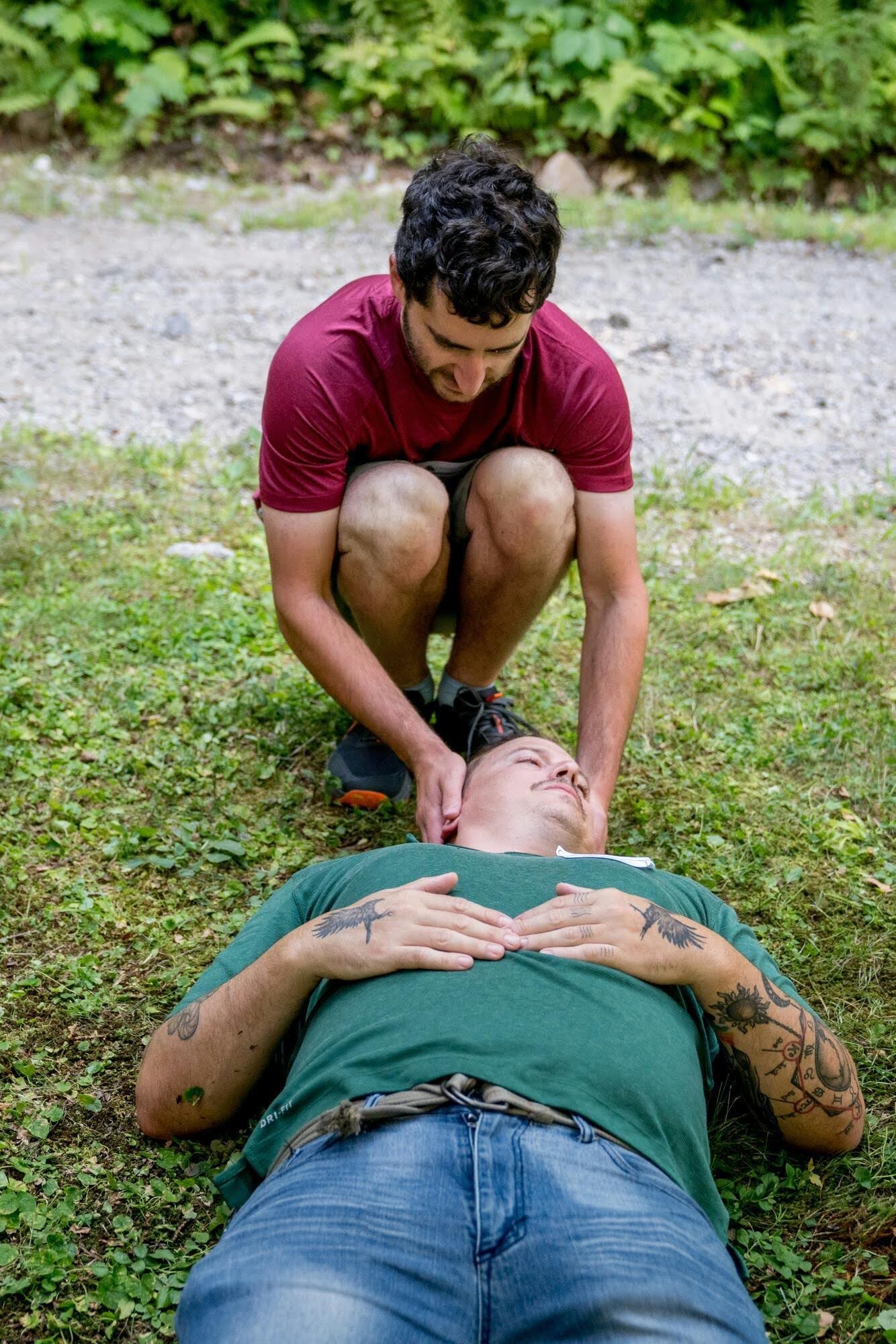
Would you know what to do if someone got hurt at home, work, or in public?
Everyday first aid skills can help you stay calm, act fast, and give basic care until help arrives. These skills are useful for parents, workers, teachers, coaches, and anyone who spends time around other people. You do not need to be a medical expert to make a smart first move.
This article explains how simple first aid skills can help you respond with more confidence.
Why First Aid Skills Matter
First aid is about knowing what to do in the first few moments after an injury or health scare. Those moments can feel stressful, but basic training helps you focus on simple steps. This section explains why first aid matters and how it can help in daily life.
Small problems can become worse when people panic or wait too long to act. A person who knows first aid can check the scene, offer basic care, and call for help when needed. That quick response can protect the injured person and keep others safer too.
How to Handle Cuts and Bleeding
Cuts are common at home, in the kitchen, at work, or during outdoor activities. Knowing how to manage bleeding helps you respond before the injury gets worse. This section explains basic care for cuts and when extra help may be needed.
For minor cuts, clean hands and steady pressure are often the first steps. A clean bandage can help protect the wound while it begins to heal. If bleeding is heavy, deep, or does not slow down, it is best to seek medical help right away.
What to Do for Burns
Burns can happen from hot pans, boiling water, steam, chemicals, or too much sun. Fast action can lower pain and help protect the skin. This section covers simple burn care and signs that a burn may need medical attention.
A minor burn should be cooled with clean running water, not ice. The area should be covered with a clean dressing if possible. Burns that are large, deep, blistered, or on the face, hands, or joints should be checked by a medical professional.
How to Respond to Sprains and Falls
Falls can lead to pain, swelling, bruises, or trouble moving a joint. A calm response helps you decide whether the person can rest or needs help. This section explains how to handle common sprains and fall-related injuries.
Resting the injured area can help prevent more strain. A cold pack wrapped in cloth may ease swelling and pain. If the person cannot walk, move the joint, or bear weight, they should get medical care.
Why Training Builds Confidence
First aid is easier to use when the steps are clear and familiar. Training can help people practice what to look for and how to respond. This section explains how learning first aid can make emergencies feel less overwhelming.
Many people choose First Aid Certification because it gives structure to skills they may need in real situations. It can also help with workplace safety, coaching, childcare, and general preparedness.
First Aid Skills: Stay Ready Every Day
First aid skills are useful because emergencies do not always happen in expected places. A calm person with basic knowledge can make a hard moment safer for everyone nearby. These skills can help at home, school, work, events, and in public spaces.
Being prepared does not mean living in fear. It means having simple tools, clear steps, and the confidence to help when it counts.
Did you like this guide? Great! Please browse our website for more!