
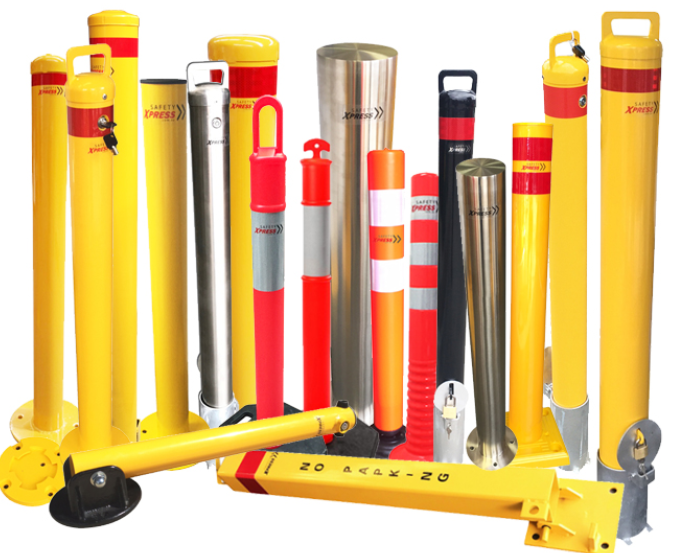
In many busy workplaces, the coexistence of pedestrians and vehicular traffic can present significant safety challenges. Ensuring safer pedestrian areas requires careful planning and the implementation of robust safety solutions. Companies like Safety Xpress specialise in providing practical safety measures to reduce risks and protect workers on site.
One key aspect of enhancing pedestrian safety is the installation of bollards for pedestrian safety. Bollards act as physical barriers that prevent vehicles from encroaching on pedestrian walkways, thus delineating safe zones. Durable and highly visible bollards contribute to reducing accidental collisions and guiding vehicles away from pedestrian paths.
Significance of Clearly Defined Walkways
Clearly marked pedestrian routes within workplaces are fundamental to safety management. The use of tactile ground surface indicators can be especially effective in environments where visibility is reduced or for assisting workers with visual impairments. Safety Xpress tactile indicators are designed to create distinct, detectable paths on various surfaces, alerting pedestrians to safe walking areas and potential hazards.
Employing these tactile systems enhances situational awareness and contributes to a safer environment by directing pedestrian traffic logically and securely.
Physical Barriers and Safety Enhancements
Physical separation between pedestrian and vehicular zones minimises the risk of accidents. Modular handrail systems, such as the ezyrail modular handrail system, provide a versatile and robust solution. These systems can be adapted to different workplace layouts, allowing employers to create customised pathways that effectively separate pedestrians from moving vehicles.
In addition to preventing vehicular access, handrails offer support for pedestrians and encourage orderly movement through busy sites. Their modular design facilitates quick installation and modification as workplace configurations change over time.
Risk Assessment and Planning
Prior to implementing pedestrian safety measures, a thorough risk assessment is essential. Identifying high-traffic zones, potential collision points, and visibility issues informs the selection of appropriate safety equipment such as bollards, tactile indicators, and handrails. Employers should regularly review site layouts and pedestrian flow to address emerging risks promptly.
Risk assessments should also consider the diverse needs of all site users, including individuals with disabilities, to ensure inclusivity in safety planning.
Traffic Control Measures
Effective traffic control policies contribute significantly to pedestrian safety. Establishing clear signage, speed limits, and designated vehicle routes helps minimise interactions between pedestrians and vehicles. When integrated with physical safety installations, these controls reinforce safe behaviour on site.
Employers should ensure that all workers are educated about traffic safety protocols and the importance of adhering to pedestrian pathways. This education reduces hazardous behaviours and supports the overall safety strategy.
Lighting and Visibility
Enhancing visibility in pedestrian areas is critical, particularly in early mornings, evenings, or poorly lit environments. Adequate lighting ensures that both pedestrians and vehicle operators can clearly see each other and any barriers or signage present. This reduces the likelihood of accidents caused by obscured vision or confusion.
Incorporating reflective materials into bollards and handrails further improves visibility and acts as an additional safety measure during low-light conditions.
Maintenance and Inspections
Safety installations such as bollards, tactile indicators, and handrails require regular inspection and maintenance to remain effective. Damage or wear can compromise their ability to protect pedestrians and should be addressed without delay.
Routine checks help ensure that all safety equipment remains securely fixed, clearly visible, and functional. Maintenance procedures should be part of the standard site safety program to uphold consistent protection.
Compliance with Safety Regulations
Workplace safety measures must comply with relevant health and safety legislation and standards. Adhering to regulations ensures that pedestrian safety strategies meet minimum legal requirements and incorporate best practices.
Employers should stay informed about changes to legislation and seek expert advice when planning or upgrading pedestrian safety solutions.
Employee Engagement and Training
Engaging employees in pedestrian safety initiatives encourages a culture of safety. Training sessions can raise awareness of potential hazards and instruct workers on using designated pedestrian areas properly. This fosters responsible behaviour and collective commitment to safety goals.
Regular refresher courses and updates on changes to site safety arrangements support ongoing compliance and vigilance.
Technology Integration
Advancements in safety technology offer innovative ways to enhance pedestrian protection in busy workplaces. For instance, sensor-activated warning systems or digital signage can alert pedestrians and drivers to approaching hazards. Integrating such technologies with traditional physical barriers amplifies overall safety.
Employers should evaluate appropriate technological options tailored to their workplace environments and risk profiles.
Emergency Preparedness
Preparing for emergencies involves ensuring that pedestrian pathways remain clear and accessible during critical situations. Well-planned evacuation routes incorporating tactile indicators and secure handrails facilitate safe and efficient exit from dangerous areas.
Regular emergency drills that include pedestrian movement assessments contribute to readiness and reduce panic during actual events.
Customisable Safety Solutions
Every workplace presents unique challenges regarding pedestrian safety. The modular nature of solutions like the ezyrail modular handrail system allows for customised configurations that suit specific site conditions. Similarly, offering a range of bollard designs and tactile indicators enables tailored implementations.
Such customisation ensures maximum effectiveness and seamless integration with existing infrastructure.
The Role of Safety Xpress in Pedestrian Safety
Safety Xpress provides a comprehensive range of products and expertise dedicated to improving pedestrian safety in workplaces. Their extensive catalogue includes robust bollards, tactile indicators, and modular handrail systems designed to address the complex needs of busy sites.
By choosing Safety Xpress solutions, employers benefit from durable, certified safety equipment supported by professional advice, enhancing the overall protection of their workforce.
Conclusion
Creating safer pedestrian areas in busy workplaces demands a multifaceted approach involving physical barriers, clear signage, risk assessments, and employee engagement. Practical solutions such as bollards for pedestrian safety, Safety Xpress tactile indicators, and the ezyrail modular handrail system provide effective tools to mitigate risks and separate pedestrian traffic from vehicles.
Maintaining these safety measures through regular inspection and compliance with regulations ensures sustained protection. Employers who prioritise pedestrian safety not only comply with legal requirements but also promote a culture of care and responsibility within their workplaces.