
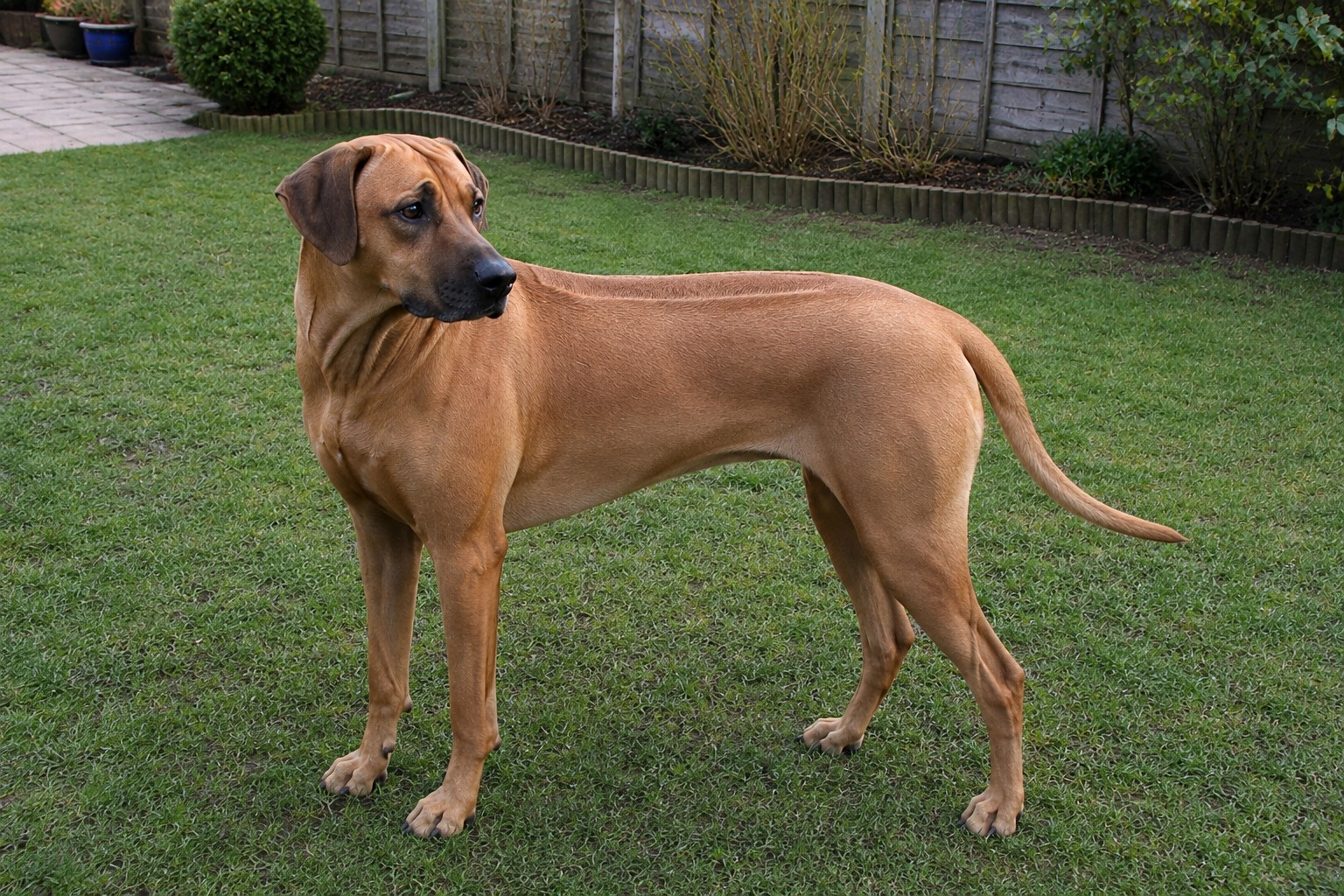
Choosing cover for a Rhodesian Ridgeback starts with the dog’s medical record, the policy’s waiting period and the insurer’s approach to reviewing health history. Emergency care, continuing joint treatment, annual renewal and any joining-age restriction also matter.
When comparing Rhodesian Ridgeback insurance, it helps to know that congenital means a condition is present from birth, but the label does not automatically make it pre-existing. The usual insurance test is when related clinical signs first appeared: before cover began, during the initial wait or after it. Most insurers do not apply a separate general exclusion simply because a disorder is inherited or congenital. A veterinarian determines what condition is suspected and how it should be managed.
Check the medical record before arranging cover
Existing veterinary notes can determine the position before a new policy begins. Eligibility depends on whether related signs were already recorded, rather than the congenital label alone.
Insurers review medical history at different stages. Some do so during the application, while others wait for a relevant claim. This affects when the owner learns about exclusions, but it does not change what counts as pre-existing.
Petplan is an application-stage example. It asks for health information and establishes medical exclusions when cover is arranged. Waggel reviews the animal’s history at the first relevant claim. Napo, Agria, Sainsbury’s Money, ManyPets and Animal Friends also use claim-stage review under their current terms.
Understand the initial waiting period
Signs recorded before the policy begins make the associated disorder pre-existing. Under the timing approach described in the reviewed policies, signs arising during the first 14 days do the same, including connected matters. When related signs first begin after the applicable wait, the condition is assessed at claim. Insurers commonly follow this approach, although each policy’s current wording controls the decision.
This distinction can matter for a congenital condition that produces no signs until after cover and the waiting period. The timing evidence and terms still decide eligibility. Neither the condition’s origin nor the absence of earlier signs guarantees payment.
Put breed health information in context
Rhodesian Ridgebacks are associated with dermoid sinus, a congenital skin disorder. This does not show whether an individual dog has the condition or whether a claim is eligible. Diagnosis and management require veterinary assessment, after which the insurer applies the timing evidence and policy terms.
Gastric dilatation-volvulus, also called bloat, is a recognised risk for Rhodesian Ridgebacks because they are large, deep-chested dogs. If bloat is suspected, contact a vet immediately. Cover questions can wait. Eligible treatment may fall within vet-fee cover, subject to the policy terms.
Hip and elbow dysplasia are frequently reported among large breeds. Treatment can cross several policy years, creating a different planning question from congenital origin: whether renewable cover can continue supporting an eligible condition.
These associations do not diagnose a particular dog or predict a claim outcome. They help identify which policy features may deserve closer attention.
Put urgent care before the claim process
The treating vet diagnoses the condition and decides whether surgery or hospital care is necessary. The insurer assesses the claim separately under its policy terms.
A confirmed case may involve one or two nights in hospital. Hospital admission and surgery are billed separately, and costs depend on the care required and the practice. Owners should ask the treating practice for an estimate that covers both the hospital stay and any operation.
Compare renewal and joining-age rules
Hip or elbow dysplasia may require treatment in more than one policy year. For an eligible continuing condition, the renewal structure can be as important as the first claim decision.
Waggel provides one lifetime-cover example. Its selected annual benefit is restored to that chosen level at renewal, and an eligible continuing condition can remain covered while the policy stays active. Renewal does not turn an ineligible condition into an eligible one and does not guarantee payment of every cost.
Joining-age rules raise a separate issue before purchase. Direct Line normally accepts pets from 8 weeks to 11 years old but sets a 6-year entry ceiling for certain breeds with shorter expected lifespans. It does not publicly identify those breeds. Historically, the lower ceiling has concerned giant breeds, so only a quote can establish whether it applies to a Rhodesian Ridgeback.
Choose cover for both immediate and longer-term needs
For a dog with no recorded signs, compare the waiting period and the medical-history review method. Neither changes the underlying timing test, but each affects when evidence is examined and when the owner learns how it applies.
Longer-term planning raises different questions. Renewable cover may matter if an eligible joint condition needs treatment across policy years, while the same year’s benefit may also need to fund an unrelated emergency. The annual ceiling is only one part of that decision. No general guide can predict an individual claim, so owners should check current policy terms and speak to a vet about any health concern.