
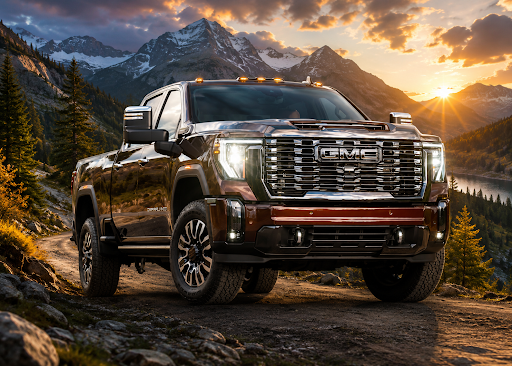
Diesel trucks hold their value better because they are built to survive longer, they do work petrol trucks cannot do comfortably, and the people buying them are buying capability rather than transport. A well-maintained three-quarter-ton diesel commonly retains 55 to 65 percent of its purchase price after five years, while comparable petrol half-tons more often land in the 40 to 50 percent range. The engines themselves routinely reach 300,000 miles or more, which keeps demand alive long after a petrol truck has been written off as tired.
The nuance is that this advantage is not automatic. A diesel with no service history, a failed emissions system, or evidence of tampering can depreciate faster than any petrol truck on the lot. The resale premium belongs to the truck, not to the fuel type, and buyers in this market are unusually good at telling the difference.
What Actually Drives Diesel Resale Value
Longevity is the foundation. Diesel engines run higher compression, heavier internal components, and lower operating rpm, which is why a 200,000 mile Duramax or Cummins is considered mid-life while a petrol V8 at the same mileage is nearing the end of its comfortable service window. A used buyer looking at a 180,000 mile diesel is thinking about the next decade. A used buyer looking at a 180,000 mile petrol truck is thinking about the next repair.
Torque is the second driver, and it is what the secondary market actually pays for. A modern heavy-duty diesel produces 850 to 1,000 lb-ft, roughly double a comparable petrol engine, and it produces it at 1,600 to 2,000 rpm where towing actually happens. Somebody pulling a 12,000 pound trailer does not have a petrol alternative that feels the same, so they compete for the same used diesels, and competition holds prices up.
Supply matters too. Diesel options command a 9,000 to 12,000 dollar premium new, which means fewer are built and fewer reach the used market. Scarcity plus sustained demand is a straightforward equation.
There is also a psychological piece nobody puts on a spec sheet. Diesel owners tend to be more attentive about maintenance, partly because the repairs cost more and partly because the community around these trucks talks constantly about oil analysis and fuel filters. That culture produces better-documented used trucks, and documentation is worth real money at sale time.
How Depreciation Varies by Truck Class, Engine, and Region
Not every diesel behaves the same way. Three-quarter-ton and one-ton trucks hold value best because they serve buyers with genuine towing requirements who have no cheaper substitute. Half-ton diesels have a thinner audience, since somebody towing under 8,000 pounds can get by with a petrol V8, and their resale advantage narrows considerably.
Engine platform creates its own patterns. Pre-emissions trucks (roughly 2007 and earlier) hold value strongly because they avoid the DPF and EGR systems that generate expensive repairs, and clean examples are sometimes appreciated. Among newer trucks, the L5P Duramax introduced in 2017 has developed a particularly strong reputation for reliability, and that reputation shows up directly in listing prices. Owners keeping these trucks long-term often invest in cooling, transmission, and fuel system work using proven Chevy Duramax performance parts, and those documented upgrades tend to support resale rather than hurt it when the receipts come with the truck.
Region changes the maths as much as anything mechanical. Salt-belt trucks with frame corrosion lose value fast regardless of drivetrain condition, while rust-free trucks from the Southwest routinely sell for 3,000 to 6,000 dollars more with identical mileage. Agricultural and oilfield regions maintain deeper used-diesel demand year-round. Somebody selling in Texas or Alberta is in a different market than somebody selling in coastal New England.
Emissions status is the sharpest divider of all. Tampered or deleted trucks are illegal for road use, fail inspection in many states, and sit on the market. Returning one to compliant condition can run 5,000 dollars or more, and informed buyers price that in.
What Higher Resale Value Means for Your Actual Costs
Run the numbers on ownership rather than purchase price. A diesel three-quarter-ton at 72,000 dollars that sells for 42,000 after five years cost you 30,000 in depreciation. A petrol version of the same truck at 60,000 selling for 28,000 cost you 32,000. The diesel was more expensive to buy and cheaper to own, before you count fuel economy that typically runs 20 to 30 percent better under load.
Maintenance runs the other direction, so be honest about it. Oil changes take 12 to 15 quarts and cost 120 to 200 dollars. Fuel filters add 60 to 150 dollars a year. Injectors, turbos, and emissions components are genuinely expensive when they fail, and a DPF replacement can reach 4,000 dollars. Industry data suggests diesel maintenance runs meaningfully higher per year, which offsets some of the depreciation advantage for low-mileage owners.
That is the real decision point. Depreciation is a fixed cost you pay whether you drive 5,000 miles or 30,000, while maintenance scales with use. Somebody driving 25,000 miles a year towing regularly comes out clearly ahead on a diesel. Somebody driving 6,000 miles a year to a hardware store is paying a premium for capability they do not use, and the resale advantage will not fully rescue that.
The ownership experience matters too, and it is why people keep coming back. A diesel that is not straining feels different on a long grade with a trailer behind it, and owners describe the reduced fatigue on a 600 mile haul more often than they describe the fuel savings. That perceived difference is part of what sustains used demand, which is what makes resale strong in the first place.
Before you commit either way, work out your actual annual mileage and towing frequency from last year rather than from how you imagine next year going. Most people overestimate both by a wide margin, and the diesel resale premium only pays off for owners who genuinely use the truck as a truck.
If you do buy one, start the documentation habit on day one. Keep every receipt, log oil changes with mileage, and photograph the underside when it is clean. Five years from now, that folder will be worth more at the negotiating table than another 20,000 miles off the odometer, because what a used diesel buyer is really purchasing is proof that the previous owner cared.