
Creating original visuals used to be a task reserved for designers and digital artists. If someone needed a custom illustration, promotional graphic, or concept image, they often had to learn professional software or hire a designer. That process could take hours or even days.
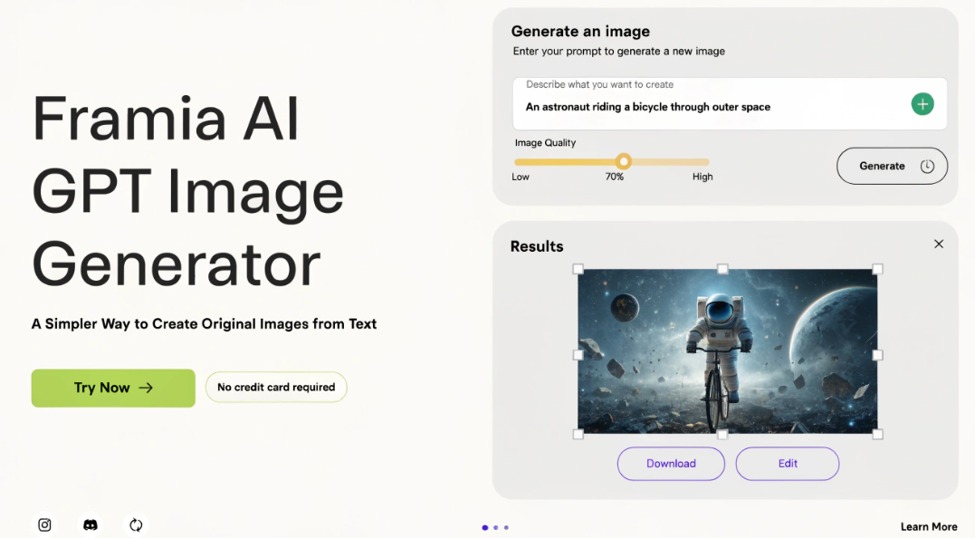
Today, artificial intelligence has introduced a completely different approach. A GPT image generator allows users to create original images simply by describing what they want in words. Instead of drawing every detail manually, the AI interprets the prompt and generates an image that matches the request.
Framia AI is designed to make this process straightforward. Whether you’re creating visuals for marketing, education, blogs, presentations, or personal projects, the platform helps transform written ideas into images without requiring advanced design skills.
From Words to Visual Content
The biggest difference between traditional graphic design and AI image generation is how the creative process begins.
Instead of opening editing software and building every element manually, users simply describe the image they have in mind. The AI reads the prompt, identifies important details, and produces a visual based on those instructions. This allows users to move directly from an idea to an image in a much shorter time.
For many creators, the hardest part is no longer producing artwork—it’s deciding which idea to generate first.
A Different Way to Start Creative Projects
Creative work often begins with rough ideas.
- A marketer may imagine a promotional banner.
- A writer may need an illustration for an article.
- A teacher may want an educational graphic.
- A business owner may need images for a product page.
Instead of searching through stock photo libraries, a GPT image generator makes it possible to create visuals that are tailored to the specific project. his provides greater flexibility while encouraging original content.
How Framia AI Fits into Everyday Work
Many creative tools require users to spend time learning complicated interfaces before producing useful results. Framia AI focuses on a more natural workflow.
Users explain what they need, review the generated image, adjust the prompt if necessary, and continue refining the result until it matches their vision.
Because the process relies on everyday language, people from different backgrounds can begin creating without technical training. This makes AI image generation useful for professionals as well as casual users.
Creating Images for Business
Businesses regularly need custom visuals for communication. Instead of using generic graphics repeatedly, AI makes it easier to create images that reflect a specific campaign or message.
Examples include promotional banners, website graphics, product presentations, event announcements, and internal communication materials.
Using custom visuals helps businesses create a more distinctive identity while keeping content relevant to each campaign.
Helping Content Creators Stay Original
Content creators publish across multiple platforms, including blogs, newsletters, social media, and video channels. Finding suitable images for every post can become difficult, especially when originality is important.
With Framia AI, creators can generate illustrations that closely match their topics rather than relying entirely on existing image collections. This helps each piece of content feel more personal and visually consistent.
Supporting Creative Exploration
Every creative project begins with experimentation. Sometimes the first idea works perfectly. Other times, several different concepts need to be explored before choosing the strongest direction.
A GPT image generator makes this exploration much faster. Users can rewrite prompts, change styles, modify settings, or introduce new visual elements without restarting an entire design project. This encourages creativity because trying a new idea requires very little effort.
Making Design More Accessible
Not everyone has experience using professional design software. Some users only need a few custom graphics for a presentation, classroom activity, website, or personal project.
AI removes many technical barriers by allowing people to communicate through natural language instead of design tools. As a result, creating original images becomes possible for a much wider audience.
Useful Across Different Industries
AI-generated images support many different professional fields. Some common applications include:
- Blog illustrations
- Website graphics
- Educational materials
- Product mockups
- Marketing visuals
- Presentation slides
- Digital storytelling
- Event promotions
- Portfolio artwork
- Social media content
Because the technology adapts to different creative needs, it can support projects of many sizes.
Writing Better Image Prompts
The quality of an AI-generated image often depends on how clearly the prompt is written. Instead of using only a few words, describe the subject with enough detail to help the AI understand the intended result.
A strong prompt usually explains:
- The main subject
- The environment
- The lighting
- The artistic style
- Important colors
- The overall mood
Providing clear instructions often produces more accurate images.
Keeping Creative Control
Using AI does not mean giving up creative decisions. The user still decides the concept, the composition, the message, and the overall visual direction.
AI simply helps generate the image more efficiently. If the first result is not exactly right, the prompt can be adjusted and another version can be created.
This process allows creators to remain fully involved while reducing repetitive work.
Why Simplicity Matters
Many creative platforms include countless menus, settings, and editing options that can overwhelm beginners. An AI-powered workflow is different because it begins with conversation rather than complicated software.
This makes image creation feel more approachable. Instead of worrying about technical details, users can concentrate on describing their ideas clearly.
That simple shift often makes the creative process feel much more enjoyable.
Using AI Alongside Human Creativity
Artificial intelligence works best when combined with human imagination. The AI generates images based on instructions, but the creative direction always comes from the user.
People decide the story they want to tell, the audience they want to reach, and the message they want to communicate. This partnership allows creators to produce visual content more efficiently without reducing the importance of human ideas.
Why Framia AI Is a Practical Choice
One reason many users appreciate Framia AI is its straightforward approach to image generation. Instead of requiring extensive design knowledge, the platform allows users to focus on describing their ideas. The AI handles the image generation process while users remain in control of the creative direction.
Whether you’re designing graphics for work, creating illustrations for content, preparing educational materials, or exploring new visual concepts, Framia AI offers a simple workflow that keeps creativity at the center of the experience.
Conclusion
A GPT image generator changes the way people approach visual creation by making it possible to generate original images from written descriptions. Rather than relying on complex editing software or searching through existing image libraries, users can create visuals that are tailored to their own ideas.
Framia AI makes this process simple and accessible. By combining natural language with intelligent image generation, it helps businesses, creators, educators, and professionals produce custom visuals more efficiently while maintaining full creative control. The result is a flexible and practical approach to creating original digital content.