
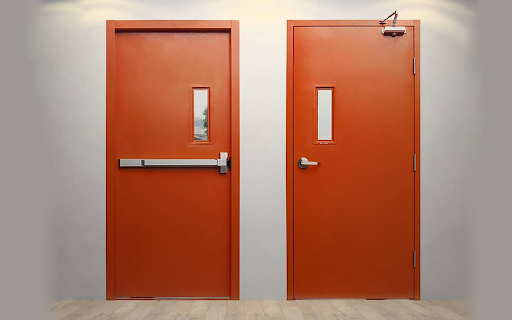
Fire-rated doors are a crucial component in ensuring the safety and compliance of a building. However, improper installation can undermine their effectiveness, potentially voiding compliance and compromising safety. It is essential to choose the right fire-rated door systems and follow best practice installation to avoid these pitfalls.
Understanding Fire-Rated Doors
Fire-rated doors are designed to prevent the spread of fire and smoke, providing occupants with additional time to evacuate. These doors must meet specific standards and be installed correctly to function as intended. Understanding these requirements is fundamental for any building project.
Common Installation Mistakes
Improper Door Frame Alignment
One of the most common mistakes is incorrect door frame alignment. For effective performance, the door must be perfectly aligned with the frame. If there is any misalignment, the door may not close properly, preventing it from offering the necessary protection in the event of a fire.
Careful attention to door frame specifications ensures that the door will fit snugly and operate efficiently.
Incorrect Hardware Use
Utilizing non-compliant hardware or failing to install the proper components can render a door ineffective. It is essential to use hardware that is specifically designed and tested for fire-rated doors.
Faulty Installation Techniques
Even a slight deviation in installation procedures can lead to significant issues. Installers must adhere to manufacturer guidelines and industry standards throughout the installation process to maintain compliance.
Material Incompatibility
Another common issue is using materials that are incompatible with the fire-rated door system. This can affect the door’s integrity and fire resistance.
The Role of Professional Installation
Professional installation is vital in ensuring that fire-rated doors function correctly and meet all regulatory requirements. Specialists have the experience and expertise needed to avoid common pitfalls and ensure a smooth installation process.
Compliance and Inspection
Maintaining compliance requires regular inspections of fire-rated doors to identify and rectify any issues promptly. Building managers should schedule regular checks to ensure continued adherence to safety standards.
Supplier and Installer Selection
Selecting a reputable supplier and installer, such as Radiant Enterprise, can significantly reduce the risk of improper installation. A trusted provider will supply certified products and offer professional installation services.
Training and Certification
Installers should undergo training to become certified in fire-rated door installation. Certification ensures that they understand best practices and can effectively manage any challenges that arise during the installation process.
Updating Existing Installations
It is crucial not only to focus on new installations but also to keep existing doors up to standard. Retrofitting or upgrading an outdated system can be essential to maintain compliance and safety.
Monitoring and Maintenance
Regular monitoring and maintenance are crucial for ensuring the fire-rated doors remain effective over time. This includes checking for any damage or wear and tear that could impact performance.
Conclusion
By avoiding common installation mistakes and adhering to best practices, building owners and managers can ensure their fire-rated doors remain compliant and functional. Engaging with professional services and conducting regular maintenance will keep the premises safe and secure.