
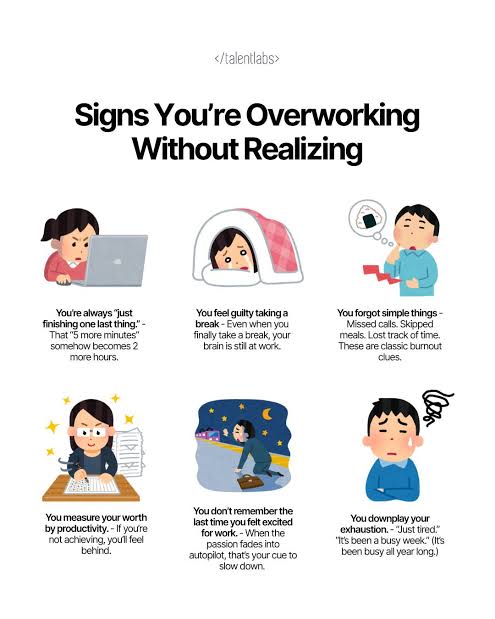
It’s easy to fall into the trap of believing that constant busyness is the only way to succeed. Whether you’re managing a demanding career or keeping a household running, the pressure to do it all often leads to ignoring the very signals your body uses to ask for a break. We often tell ourselves that we’ll rest once the next project is finished or when the kids are finally back at school, but that finish line tends to keep moving.
When you push through exhaustion for too long, your internal systems start to protest in ways that are hard to miss if you know what to look for. These physical symptoms aren’t just minor inconveniences. They’re actual biological responses to a nervous system that’s stuck in overdrive. It’s time to take a step back and look at how your daily habits are affecting your long-term health, so read on to see if your body is trying to tell you to slow down.
Sign #1: Your Sleep Schedule Has Fallen Apart
You might think that being exhausted would make it easy to fall asleep the moment your head hits the pillow. In reality, chronic overwork often leads to a state known as being “tired but wired.” This happens because your body is producing high levels of cortisol, the stress hormone, throughout the day to keep you going.
When evening comes, your cortisol levels should naturally drop while melatonin levels rise, which is what signals to your body that it’s time to sleep. A stressed system disrupts this balance, keeping cortisol elevated and suppressing melatonin production, which makes it far harder to fall and stay asleep.
A Vicious Cycle of Tiredness
If you find yourself staring at the ceiling at 2:00 am even though you were dragging your feet all afternoon, your body is struggling to regulate itself. You might also notice that even when you do sleep, you wake up feeling as though you haven’t rested at all. This lack of deep, restorative sleep makes it even harder to manage the demands of the following day, which creates a cycle of fatigue that is difficult to break without a change in pace.
Instead of reaching for another coffee to mask the tiredness, it’s worth looking at your evening routine. Small shifts, like turning off work notifications a couple of hours before bed, can help signal to your brain that the day’s labour is over.
Sign #2: Stress Can Thin Out Your Hair
One of the most distressing signs of overwork is a change in the health of your hair. When your body is under significant stress, it prioritises essential functions like heart and lung health over non-essential ones like hair growth. This can lead to a condition called telogen effluvium, where a large number of hair follicles in the active growing phase are pushed prematurely into the resting phase, causing them to stop growing and eventually shed.
Research consistently shows that this shedding typically becomes noticeable two to four months after the period of stress that triggered it, rather than immediately, which is why many people struggle to connect the hair loss to its original cause. While some shedding is normal, seeing clumps in the shower or a significant loss of volume should be a prompt to check in with your GP.
When to Start Getting Concerned
If you’ve addressed your stress levels but find that your hair isn’t recovering as expected, it may be worth seeking specialist advice. Clinics like Treatment Rooms London offer professional consultations to assess whether your hair loss is a temporary stress response or whether there is an underlying issue that warrants specific treatment, which is often far more useful than working through a shelf of over-the-counter supplements.
The reassuring news is that telogen effluvium is usually temporary. In most cases, once the underlying stress is addressed, the hair begins to return to its normal growth cycle within six months, though full regrowth may take longer to become visibly apparent.
Sign #3: Unexpected Changes in Your Skin
Your skin is often a direct reflection of what’s happening inside your body. When you’re overworked, you might notice breakouts that remind you of your teenage years or a dullness that no amount of moisturiser seems to fix. The stress hormone cortisol stimulates the sebaceous glands to produce more oil, which clogs pores and leads to inflammation and breakouts.
Beyond simple spots, overwork can exacerbate existing skin conditions like eczema or psoriasis. Chronic stress triggers an inflammatory response that can cause these conditions to flare, and the skin’s natural barrier function becomes compromised, making it more reactive and sensitive. If you find that your skin is suddenly more prone to redness or irritation, the real solution may be a few more hours of rest rather than a new skincare product.
There are several ways your skin might react to a lack of rest:
- Dark circles under the eyes that don’t fade with concealer.
- Increased dryness or flaky patches on the cheeks and forehead.
- Slow healing of small scratches or blemishes.
- A general loss of elasticity or a haggard appearance.
Prioritising sleep and hydration is the best way to help your skin regain its natural glow. Instead of adding more steps to your skincare routine, try removing a few tasks from your daily to-do list and see if your complexion improves on its own.
Sign #4: Burnout Is Starting to Impact Your Digestion and Weight
Your gut and your brain are closely linked, and a stressed mind almost always leads to a stressed stomach. Chronic overwork can lead to a variety of digestive issues, from bloating and indigestion to disrupted gut function more broadly.
For those who already live with Irritable Bowel Syndrome (IBS), stress is one of the most well-established triggers of flare-ups, as the gut and brain communicate constantly through what is known as the gut-brain axis. When the nervous system is under sustained pressure, it alters gut movement and sensitivity, which can make everyday digestive symptoms feel more intense and unpredictable.
Weight changes are also a common side effect of a lifestyle that lacks balance. Elevated cortisol levels increase appetite and specifically trigger cravings for high-calorie, sugary foods, as the body seeks quick energy to deal with the perceived demands being placed on it.
Chronic Stress Throws Your Body Out of Balance
Research shows that chronic stress is associated with fat accumulation around the abdomen in particular, as visceral fat cells have a higher concentration of cortisol receptors than fat cells in other areas of the body, making the midsection especially prone to weight gain under prolonged stress.
Conversely, some people find that they lose their appetite entirely when they’re overwhelmed, leading to unhealthy weight loss and a lack of nutrients. Neither extreme is good for your long-term health.
If you find that your relationship with food has changed or that your digestion is constantly uncomfortable, it’s a clear signal that your current lifestyle isn’t sustainable. Taking the time to eat sitting down and choosing whole foods over processed snacks can make a significant difference in how you feel.
All in All
Learning to listen to these physical warning signs is a skill that takes time to develop. We’ve been taught to value productivity above all else, but that shouldn’t come at the cost of your health.
When you notice your sleep is suffering, your hair is thinning, or your skin is reacting, don’t just ignore it and keep going. These are the early indicators that you’re heading towards burnout, and it’s much easier to make small adjustments now than to recover from a full health crisis later.
Your body is incredibly resilient, but it has its limits. By recognising when you’ve reached those limits, you can start to set better boundaries for yourself and your time.