
In the vast landscape of modern commerce, consumer goods are generally classified into two primary categories: Fast-Moving Consumer Goods (FMCG) and Durable Goods. While both sectors aim to capture market share and foster brand loyalty, the strategies they employ to reach consumers differ significantly based on the product’s lifecycle, cost, and frequency of purchase. Understanding these distinctions is essential for any business looking to establish a memorable brand identity that resonates with its specific audience.
Fast-Moving Consumer Goods: Speed and Volume
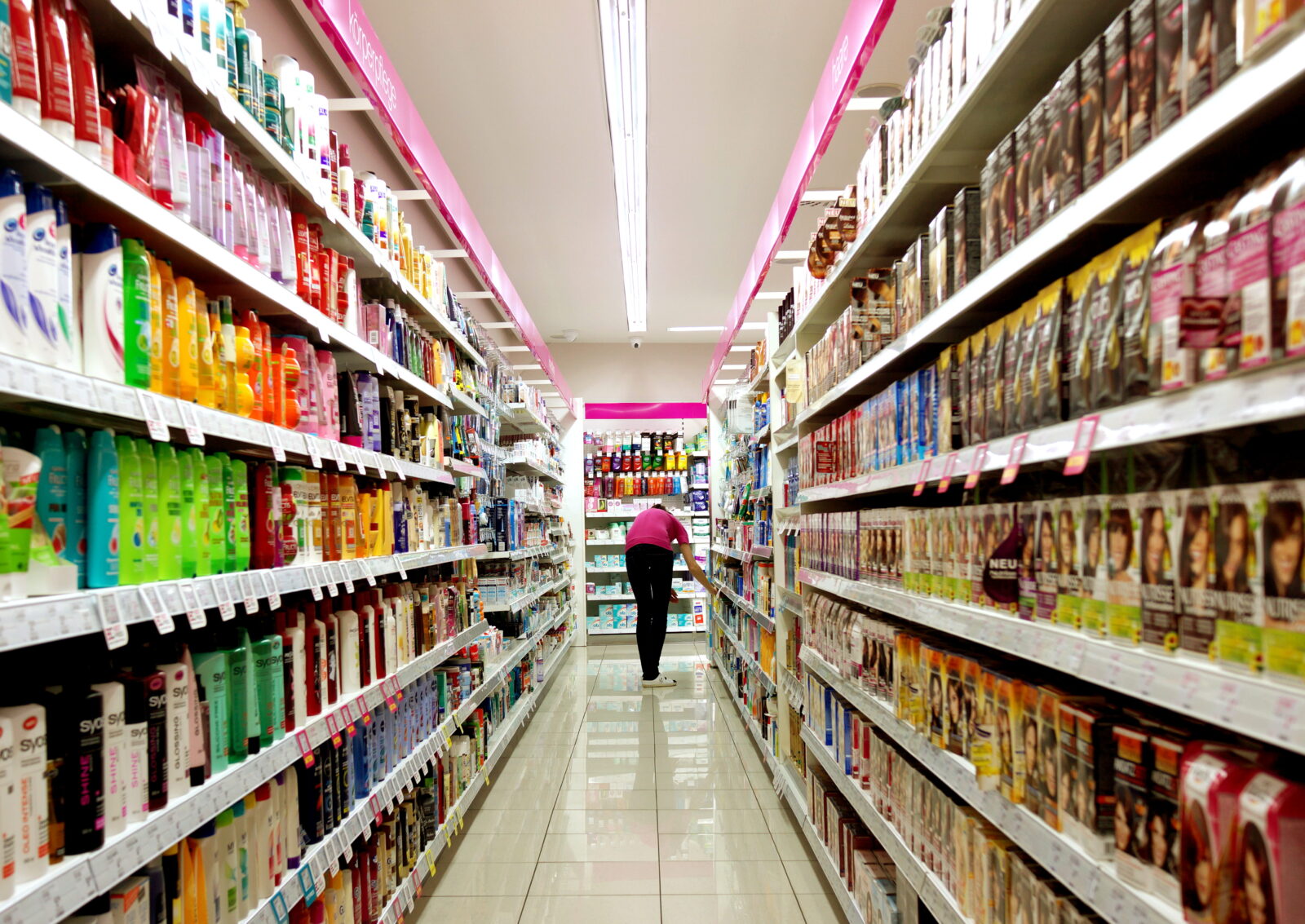
Fast-moving consumer goods, often referred to as consumer packaged goods (CPG), are products that are sold quickly at a relatively low cost. This category includes daily essentials such as processed foods, beverages, toiletries, and over-the-counter medicines. Because these items are consumed rapidly and replaced frequently, the FMCG sector is characterized by high-volume sales and intense competition for retail shelf space.
For FMCG brands, success is often dictated by “shelf appeal.” Brands have only a few seconds to capture a customer’s attention in a crowded aisle. This makes packaging a critical driver of brand recognition. To maintain high-speed production and visual consistency across millions of units, many companies rely on flexographic packaging printing, which offers an efficient solution for high-volume, cost-effective labeling on various substrates.
Beyond aesthetics, FMCG brands must prioritize logistics. Modern consumers expect prompt availability and seamless delivery processes. Fast fulfillment is no longer a luxury; it is a necessity for survival in a market where same-day and next-day shipping have become the norm.
Durable Consumer Goods: Longevity and Reliability
In contrast to FMCG, durable goods are products that do not wear out quickly and provide utility over a long period, typically three years or more. This category includes “big-ticket” items such as kitchen appliances (refrigerators, washers), consumer electronics, and vehicles.
When purchasing durable goods, consumers shift their focus from impulse or convenience to reliability and longevity. Brands like Whirlpool, Bosch, and LG have built their reputations on engineering excellence and the ability of their products to withstand the demands of daily use over the long term. Because these purchases represent a significant financial investment, the decision-making process is more emotional and research-heavy than a transactional FMCG purchase.
For these brands, the “purchase” is only one stage of a much longer relationship. Post-purchase support, including warranties and reliable customer service, is vital for maintaining trust. A customer who feels valued through a long-lasting product and responsive support is more likely to become a brand advocate.
The Convergence of Sustainability and Experience
Regardless of whether a brand sells a candy bar or a luxury SUV, two trends are currently reshaping both sectors: sustainability and the customer experience.
- Commitment to Sustainability: Consumers are increasingly drawn to brands that prioritize environmental responsibility. In the FMCG world, this manifests as recyclable or biodegradable packaging. For durable goods, it may involve using eco-friendly materials like organic cotton in vehicle interiors or recycled plastics in appliance components.
- Building Emotional Connections: Both fast-moving and durable brands are moving beyond simple transactions to focus on building meaningful, long-term relationships. This is achieved through personalized communication, such as remembering customer preferences and following up after a purchase.
In Conclusion
The divide between fast-moving and durable goods defines the operational rhythm of a business. FMCG brands must master the art of visibility, high-speed logistics, and efficient production to thrive in a high-turnover environment. Durable goods brands, meanwhile, must anchor their strategy in reliability, trust, and exceptional post-purchase care to justify the higher cost and longer lifespan of their products.
By mapping the customer journey—from the first spark of awareness to long-term advocacy—businesses in both sectors can anticipate needs and craft experiences that people remember. Whether through the rapid delivery of a daily essential or the decades-long performance of a home appliance, the goal remains the same: building a brand that fits naturally and indispensably into the lives of the community it serves.