
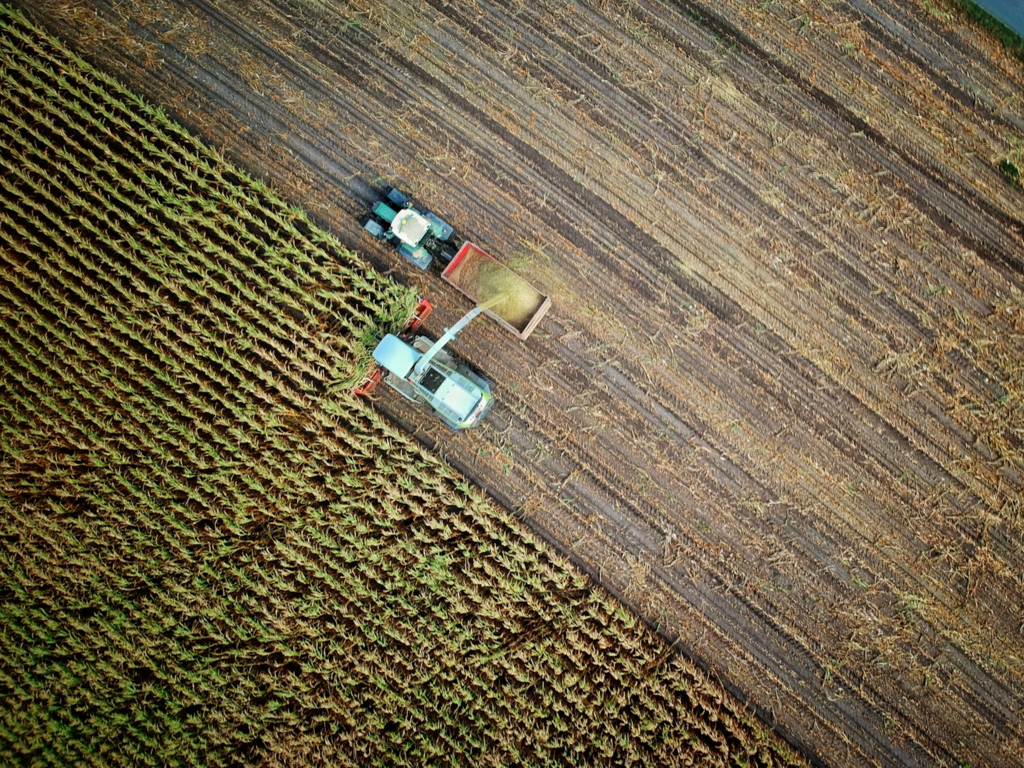
In the precision-driven world of contemporary agriculture, soil preparation can make or break a growing season. Among the tools that have become indispensable to farmers and land managers, cultipackers stand out for their ability to create optimal seedbed conditions. These implements work by consolidating the soil surface, breaking up clods, and pressing stones below the surface—creating the firm, even contact that seeds need to germinate successfully.
The quality of soil preparation directly influences germination rates, crop uniformity, and ultimately yield. While modern agriculture offers numerous tillage and preparation options, cultipackers address a specific and critical need: transforming freshly worked soil into a seedbed that balances firmness with adequate porosity. This article examines how cultipackers have evolved alongside agricultural mechanization, how they function at a mechanical level, and why they’ve become standard equipment for operations ranging from large-scale grain production to wildlife food plot management.
From Manual Labor to Mechanized Precision
The development of cultipackers mirrors the broader mechanization of agriculture over the past century. Early farmers relied on drag harrows and hand tools to prepare seedbeds, often achieving inconsistent results that left germination to chance. As tractors replaced draft animals and farming scaled up, the need for implements that could prepare larger areas more uniformly became apparent.
The first cultipackers were simple affairs—heavy rollers pulled behind tractors to firm the soil after plowing or disking. Over decades, engineers refined the design, experimenting with different roller configurations, weights, and materials. Modern cultipackers incorporate features like adjustable ballast systems, improved bearing assemblies, and modular designs that allow farmers to match the implement to specific soil conditions.
Today’s models address challenges that early farmers could barely imagine. Soil compaction from heavy equipment, variable moisture conditions, and the need for precise seed placement in no-till systems have all shaped cultipacker evolution. According to research from the USDA Natural Resources Conservation Service, proper seedbed preparation remains one of the most cost-effective ways to improve crop establishment, making these implements more relevant than ever.
The Mechanics Behind Effective Soil Consolidation
Understanding how cultipackers work requires looking at what happens at the soil surface during operation. As the implement moves across a field, its weighted rollers or wheels apply downward pressure that compresses the top few inches of soil. This compression eliminates large air pockets while maintaining enough pore space for water infiltration and root penetration.
The process accomplishes several objectives simultaneously. Surface clods break down under the roller’s weight, creating a more uniform texture. Small stones press into the soil rather than remaining on the surface where they might interfere with planting equipment. Most importantly, the firmed surface brings soil particles into close contact with seeds, facilitating the moisture transfer that triggers germination.
The benefits of this mechanical action extend beyond the planting season:
- Erosion Control: A consolidated surface resists both wind and water erosion more effectively than loose, fluffy soil, protecting newly planted seeds during vulnerable establishment periods.
- Moisture Conservation: Firming the seedbed reduces the rate of moisture evaporation from the soil surface, a critical advantage in regions with limited rainfall or during dry planting windows.
- Operational Efficiency: Creating an ideal seedbed in a single pass reduces the need for multiple trips across the field, saving fuel and reducing soil compaction from repeated equipment traffic.
- Uniform Emergence: When seeds sit at consistent depths in firm contact with soil, they germinate and emerge more uniformly, leading to more even crop development and easier management throughout the season.
Cultipacker Variations for Different Applications
Not all cultipackers are created equal, and matching the right type to specific conditions makes a substantial difference in results. The agricultural equipment market offers several distinct configurations, each optimized for particular soil types, field sizes, and farming objectives.
- Pull-Behind Models: The workhorses of large-scale operations, these cultipackers attach to tractors via standard three-point hitches or drawbars. Their width ranges from compact 4-foot models suitable for small farms to 20-foot implements that can cover dozens of acres per hour. These units excel in grain production, pasture renovation, and any application where efficiency across large areas matters most.
- Water-Ballasted Designs: These cultipackers feature hollow rollers that can be filled with water to increase weight and compaction force. The adjustability proves valuable when working varied soil types within a single operation—heavier for clay soils that resist compaction, lighter for sandy soils that compact easily. The ability to drain the ballast also simplifies transport and storage.
- Combination Seeder Units: Integrating a seed box and metering system with cultipacker rollers, these implements plant and firm in a single pass. The front roller creates the seedbed, seeds drop at the proper depth, and a rear roller firms soil over them. This configuration particularly suits operations planting cover crops, pasture mixes, or food plots where simplicity and speed matter more than the precision required for row crops.
- Specialized Food Plot Rollers: Designed specifically for wildlife management, these compact cultipackers often feature narrower widths suitable for ATV or small tractor operation. They’re built to handle the irregular terrain and smaller plot sizes typical of wildlife habitat work, with rugged construction that stands up to stumps, roots, and rocks that would damage lighter implements.
For land managers and farmers comparing equipment options, Packer Maxx produces cultipackers designed for durability across a range of uses, from compact food plot rollers to heavy-duty agricultural applications. Comparable manufacturers such as Brillion Farm Equipment and Landspride also offer soil conditioning and land preparation equipment built for professional farming and land management needs.
Quantifiable Advantages in Field Performance
The case for cultipackers rests on measurable improvements in crop establishment and soil health. Field research and farmer experience have documented several consistent benefits that translate directly to better outcomes and reduced input costs.
Germination rates typically improve by 15-30% when seeds are planted into properly firmed seedbeds compared to loose soil. This improvement stems from better seed-to-soil contact and more consistent moisture availability during the critical germination period. For expensive seed—whether hybrid corn, specialty forages, or food plot mixes—this difference in establishment can justify the cultipacker investment in a single season.
Soil erosion protection represents another significant advantage. Research published by Sustainable Agriculture Research & Education demonstrates that consolidated seedbeds lose substantially less topsoil to wind and water compared to loose, freshly tilled surfaces. In regions prone to spring rains or wind erosion, this protection preserves both soil and the seeds planted in it.
Moisture management benefits extend throughout the growing season. By reducing evaporation from the soil surface, cultipackers help maintain the soil moisture that young seedlings need to establish deep root systems. In drought-prone areas or during dry planting windows, this moisture conservation can mean the difference between successful establishment and replanting.
Comparing Soil Preparation Approaches
Farmers have numerous options for preparing seedbeds, each with distinct advantages and limitations. Understanding where cultipackers fit in this toolkit helps clarify when they’re the right choice and when other implements might serve better.
Rototillers pulverize soil thoroughly, creating an extremely fine seedbed that works well for small seeds and garden applications. However, this intensive tillage can destroy soil structure, create hardpan layers, and leave soil vulnerable to erosion. Cultipackers take the opposite approach—they work the surface without inverting or excessively disturbing soil layers, preserving the structure that supports water infiltration and root growth.
Power harrows offer a middle ground, breaking up compacted layers while creating a relatively fine seedbed. They excel in European-style seedbed preparation but require significant tractor horsepower and can be overkill for operations that simply need to firm an already-prepared surface. A detailed comparison of these tillage philosophies appears in this analysis of tillage systems and soil health.
The key distinctions that favor cultipackers include:
- Minimal Soil Disturbance: Unlike tillage implements that invert or mix soil layers, cultipackers work only the surface, preserving beneficial soil structure and microbial communities in lower layers.
- Single-Pass Efficiency: Where other approaches might require multiple implements and passes, a cultipacker often completes seedbed preparation in one operation, reducing fuel costs and equipment wear.
- Versatility Across Systems: Cultipackers work equally well in conventional tillage, reduced-till, and no-till systems, adapting to whatever soil preparation philosophy a farm follows.
- Lower Power Requirements: Compared to powered implements like rototillers, cultipackers require only enough tractor horsepower to pull them, making them accessible to smaller operations.
Optimizing Wildlife Food Plots
Wildlife managers face unique challenges when establishing food plots. These plantings typically occupy smaller, more irregular areas than agricultural fields, often in locations with less-than-ideal soil conditions and limited access for large equipment. Cultipackers have become essential tools in this specialized application, where successful germination directly impacts wildlife nutrition and habitat quality.
Food plot success depends heavily on seed-to-soil contact, particularly for the small-seeded species like clovers, brassicas, and chicory that form the foundation of many wildlife plantings. Broadcasting these tiny seeds onto loose, unprepared soil often results in poor germination—the seeds either dry out on the surface or get buried too deeply by rain. A cultipacker solves this problem by pressing seeds firmly into the soil surface at the shallow depth they require.
The specific advantages for food plot management include:
- Improved Germination Rates: Firming the seedbed after broadcasting ensures that even tiny seeds make contact with soil moisture, dramatically improving germination percentages for species that might otherwise fail.
- Moisture Retention: In food plots that may not receive supplemental irrigation, the moisture-conserving properties of a firmed seedbed can extend the viable planting window and improve establishment during dry periods.
- Weed Suppression: A firm, consolidated surface gives planted species a competitive advantage over weeds, which often struggle to establish in compacted conditions that don’t favor their germination requirements.
- Extended Plot Productivity: Better establishment leads to denser, more vigorous stands that produce more forage and withstand grazing pressure better, extending the productive life of the plot.
Many wildlife managers use cultipackers both before and after seeding—the first pass creates a firm base, seeds are broadcast, and a second pass presses them into the soil. This double-rolling technique, while requiring more time, consistently produces superior results in food plot applications.
Selecting the Right Cultipacker for Your Operation
Choosing an appropriate cultipacker requires matching implement characteristics to the specific conditions and objectives of your operation. Several key factors should guide this decision, each influencing how effectively the cultipacker will perform in your particular situation.
Soil type ranks among the most important considerations. Heavy clay soils resist compaction and may require a heavier cultipacker or one with water-ballast capability to achieve adequate firming. Sandy soils compact easily and may actually suffer from over-compaction if too heavy an implement is used, leading to surface crusting that impedes emergence. Loam soils generally work well with moderate-weight cultipackers. Testing different weights on a small area before committing to a large implement can prevent expensive mistakes.
Field or plot size directly influences the practical width and type of cultipacker that makes sense. Large agricultural fields justify wider implements that maximize efficiency and minimize the time required to cover acreage. Small food plots or garden applications work better with compact models that can maneuver in tight spaces and navigate around obstacles like trees and terrain features. Consider not just the total area but also the shape and accessibility of the areas you’ll be working.
Intended use shapes other aspects of the selection process:
- Agricultural Production: Operations planting row crops or small grains typically need wider, heavier-duty cultipackers that can keep pace with large planters and cover substantial acreage efficiently. Three-point hitch mounting and compatibility with existing tractor hydraulics matter in these applications.
- Pasture and Hay Ground: Renovating or overseeding pastures requires cultipackers that can handle the uneven terrain and variable conditions typical of grazing land. Durability and the ability to work in less-than-ideal conditions become priorities.
- Food Plot Management: Wildlife managers need compact, maneuverable units that can access remote locations and work smaller areas effectively. ATV-compatible models or compact tractor-sized implements often fit these requirements better than full-scale agricultural equipment.
- Market Gardens and Small Farms: Smaller operations benefit from versatile, moderately sized cultipackers that can handle diverse plantings without requiring excessive tractor horsepower or storage space.
Budget considerations extend beyond the initial purchase price. Heavier-duty construction costs more upfront but typically delivers longer service life and lower maintenance costs. Lighter, less expensive models may serve occasional use adequately but might not withstand the demands of frequent operation. Factor in the cost of any tractor modifications needed to accommodate the cultipacker, as well as ongoing maintenance requirements like bearing replacement and roller repair.
Finally, consider future needs alongside current requirements. Operations that might expand, diversify into new crops, or take on additional land may benefit from investing in a more capable cultipacker initially rather than upgrading later. Conversely, if your needs are well-defined and unlikely to change, a specialized implementation optimized for your specific application may serve better than a general-purpose model.