
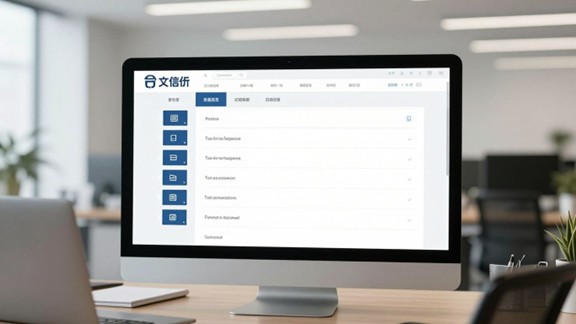
Defining Document Management Systems
At its heart, document management is about handling information. It’s the process of organizing, storing, and retrieving all the important papers and files a business uses. Think contracts, invoices, employee records, and project plans. Without a good system, finding what you need can feel like searching for a needle in a haystack.
A Document Management System, or DMS, is the tool that makes this happen digitally. It’s a software solution designed to be a central place for all your company’s documents. This system helps keep everything tidy, secure, and easy to access when you need it. A well-implemented DMS is key to smooth operations.
The goal is simple: make information accessible, secure, and organized. This means less time wasted searching and more time spent on actual work. Proper document management is not just about storage; it’s about making information work for you.
Addressing the Risks of Inefficient Document Handling
When documents aren’t managed well, it’s more than just a messy desk. Businesses often run into problems that slow things down and create headaches. Think about how much time gets wasted just trying to find a single file. This isn’t just an annoyance; it directly impacts productivity and can lead to missed opportunities.
Consequences of Lost or Misplaced Files
Losing documents can be a real disaster. Imagine a critical contract vanishing right before a deadline, or client information getting misplaced. This isn’t just about inconvenience; it can lead to significant financial losses and damage a company’s reputation. The average organization loses or misfiles a surprising amount of its documents daily. This happens more often than people think, and the cost per misfiled document adds up quickly.
Impact of Inefficient Workflows
Slow document retrieval and disorganized processes create bottlenecks. When employees can’t find what they need quickly, projects stall. This inefficiency affects everyone, from the person searching for a file to the client waiting for a response. It’s a chain reaction that drains resources and frustrates staff. A disorganized approach to document management means workflows suffer.
Businesses can also turn to Docusign for business document templates to standardize frequently used agreements and forms, helping streamline document workflows and reduce unnecessary delays.
Security Vulnerabilities in Unmanaged Data
Unmanaged data is a security risk waiting to happen. If sensitive documents are not properly stored and protected, they can fall into the wrong hands. This could mean anything from leaked customer data to stolen intellectual property. Without proper controls, your business is exposed to potential breaches and the fallout that comes with them. Security is a major concern.
Challenges with Version Control
Keeping track of document versions is a common struggle. When multiple people are working on a document, it’s easy to end up with several different copies. This confusion can lead to mistakes, with people working from outdated information. Ensuring everyone is using the latest, correct version is vital for accurate work. Without a clear system, version control issues can cause significant problems.
The constant search for misplaced files and the confusion over document versions aren’t just minor annoyances; they represent tangible drains on a company’s resources and can actively hinder progress. Addressing these issues is not optional for businesses aiming for efficiency and security.
Enhancing Business Operations with a Document Management System
Accelerating Information Access and Retrieval
Think about how much time gets wasted just looking for files. With a good document management system, that search time shrinks dramatically. Instead of digging through folders or asking around, employees can find what they need in seconds. This speed-up means people can get back to their actual jobs faster. Quick access to information is a big deal for keeping things moving. It’s not just about finding a file; it’s about getting the right information when it’s needed most.
This system makes finding documents simple. You can search by keywords, dates, or even specific content within the files. This makes the whole process of information retrieval much smoother. It helps everyone in the company work more efficiently because they aren’t held up waiting for documents.
Streamlining Team Collaboration and Workflows
Working together on documents can get messy. People might be editing different versions, leading to confusion and errors. A document management system fixes this by making sure everyone is looking at and working on the most current version. This keeps projects on track and reduces the need for rework.
Workflows become much clearer too. Tasks like getting approvals or reviewing documents can be automated. This means less manual back-and-forth and fewer chances for things to slip through the cracks. It helps teams stay organized and productive, no matter where they are working from. This kind of structured workflow is key for modern business operations.
Improving Transparency and Accountability
When documents are managed properly, it’s easier to see who did what and when. This creates a clear record of actions, which is good for accountability. Everyone knows what their responsibilities are, and there’s a clear history of document changes and approvals.
This transparency helps build trust within the team and with clients. It also makes it easier to track progress on projects and identify any potential issues early on. A solid document management system provides that clear view. It helps make sure that tasks are completed and that everyone is on the same page. This level of clarity is a big win for any business.
Ensuring Security and Compliance with Digital Document Management
Implementing Robust Access Controls
Keeping your business documents safe means controlling who sees what. A good document management system lets you set up specific permissions. This means only authorized people can access sensitive files. Think of it like a digital key system for your company’s information. This approach helps prevent accidental leaks or intentional misuse of data. Proper access control is the first line of defense for your digital assets.
Leveraging Encryption for Data Protection
Encryption is like putting your documents in a locked digital safe. Even if someone gets their hands on the file, they can’t read it without the key. Modern document management systems use strong encryption methods to protect data both when it’s stored and when it’s being sent. This is super important for protecting customer information and trade secrets. It’s a key part of any secure document management strategy.
Maintaining Audit Trails for Regulatory Adherence
When you need to prove you’ve followed the rules, audit trails are your best friend. A document management system keeps a detailed record of every action taken on a document. This includes who opened it, when, and what changes were made. This history is vital for meeting compliance requirements and for internal investigations. It provides a clear picture of document activity.
Automating Retention Policies
Businesses have to keep some documents for a long time, while others need to be deleted after a certain period. Automating these retention policies within your document management system takes the guesswork out of it. The system can automatically archive or delete files based on predefined rules. This helps avoid penalties for keeping records too long or not long enough. It keeps your system clean and compliant.
The Financial and Environmental Benefits of Document Management
Reducing Operational Costs and Resource Usage
Think about all the money spent on paper, ink, printers, and maintenance. It adds up fast. A good document management system cuts down on these direct costs. Less printing means fewer supplies needed. Plus, when employees can find what they need quickly, they spend less time searching and more time working. This boost in efficiency directly impacts the bottom line.
The shift to digital document management is a smart financial move. It frees up capital that was tied up in physical resources. This allows businesses to reinvest in growth or other important areas. The savings from reduced operational costs are significant and become a consistent advantage over time.
Minimizing Paper Consumption
Paper costs are going up. Supply chain issues and manufacturing costs mean businesses are paying more for paper than ever before. A digital system removes the need for most paper. This means fewer trees are cut down and less water is used in production. It’s a win for the company’s budget and the planet.
This reduction in paper use also cuts down on waste disposal costs. Less paper means less trash to manage. It simplifies office cleanup and reduces the environmental footprint of daily operations. Document management systems make going green a practical reality.
Supporting Environmental Sustainability Goals
Businesses today are expected to be good stewards of the environment. Adopting a digital document management system is a clear step in that direction. It shows a commitment to sustainability that can improve a company’s public image. This aligns with growing consumer and investor preferences for eco-friendly practices.
By reducing paper consumption and the energy used by printers and copiers, companies contribute to a healthier planet. This move supports broader environmental sustainability goals. It’s a responsible choice that benefits everyone in the long run. Document management is more than just organization; it’s about responsible business.
Document Management System Indonesia: A Strategic Advantage
Adapting to Local Regulatory Landscapes
Businesses operating in Indonesia face a unique set of rules and regulations. A robust document management system helps keep track of these specific requirements. It’s not just about storing files; it’s about storing them in compliance with local legal standards. This means understanding data privacy laws and industry-specific compliance needs. A well-implemented system acts as a shield against potential legal issues. Softbless supports this need with a document management system Indonesia solution built around centralized storage, document search, workflow automation, secure access controls, and compliance-focused document handling.
Optimizing for Indonesian Business Practices
Every country has its own way of doing business. In Indonesia, this might involve specific communication styles or approval processes. A flexible document management system can be adjusted to fit these local practices. This makes daily operations smoother. It helps teams work together more effectively, respecting how business is typically conducted. This adaptation is key for any company wanting to succeed here.
Leveraging Cloud-Based Solutions for Accessibility
Cloud-based document management systems are a game-changer for businesses in Indonesia. They allow access to important documents from anywhere, which is perfect for a country with a diverse geography. Whether an employee is in Jakarta or on a remote island, they can get to the files they need. This boosts productivity and keeps projects moving forward. This kind of accessibility is a significant strategic advantage.
Choosing the Right Document Management Solution
Evaluating Ease of Use and Integration Capabilities
Picking a document management system means looking at how simple it is for everyone to use. A system that’s hard to figure out won’t get used much, no matter how good it is on paper. Think about the people who will use it daily – are they tech-savvy, or do they need something straightforward? A clean interface and clear steps make a big difference in getting people on board. Also, consider how well the system plays with other tools you already use. If it doesn’t connect with your email or project management software, it might create more work than it saves.
Assessing Security Features and Compliance Support
Security is a huge part of any document management system. You’re dealing with potentially sensitive company information, so you need to know it’s protected. Look for features like strong access controls, which let you decide who sees what. Encryption is also important; it scrambles your data so even if someone gets it, they can’t read it. Compliance is another big one. Does the system help you meet industry regulations or legal requirements? This often involves things like audit trails, which record who did what and when, and automated retention policies that manage how long documents are kept. A good document management system makes these complex tasks much simpler.
Considering Scalability and Vendor Support
Your business isn’t going to stay the same, so your document management system shouldn’t either. You need a solution that can grow with you. This means it should handle more documents, more users, and more complex needs as your company expands. Think about performance – will it slow down if you suddenly have a lot more files? Beyond the software itself, the vendor matters. What kind of support do they offer? Are they easy to reach when you have a problem? Good vendor support can save you a lot of headaches down the line, especially during setup or if something goes wrong. A reliable partner is key for any document management strategy.
Wrapping Up: Why Document Management Isn’t Just an Option Anymore
So, we’ve talked a lot about how messy and risky disorganized documents can be. Lost files, security worries, and just plain wasted time – it all adds up. A good document management system isn’t some fancy extra; it’s really about making your business run smoother. It helps teams find what they need fast, work together better, and keep sensitive info safe. Plus, it can even cut down on costs and help with environmental goals. In today’s world, getting your documents in order isn’t just a good idea, it’s pretty much a necessity for staying competitive and secure.