
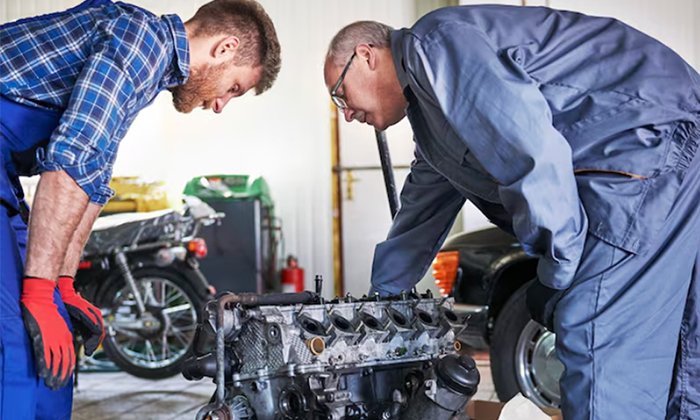
Diesel engines are renowned for their durability and fuel efficiency, yet their optimal performance relies heavily on routine upkeep. Regular maintenance is essential to ensure that diesel vehicles operate efficiently and provide reliable service over time. Engaging with a qualified Diesel Mechanic can significantly improve engine longevity and overall vehicle performance.
Understanding Diesel Engine Mechanics
Diesel engines operate differently compared to petrol engines, relying on compression ignition rather than spark plugs. This fundamental difference means that diesel engines are subjected to higher compression pressures and must be maintained with specific procedures tailored to their unique design. Understanding these mechanics highlights why routine maintenance is not just beneficial but necessary for such engines.
The Role of Regular Maintenance
Regular maintenance involves systematic checks and servicing, focusing on parts critical to the diesel engine’s functionality. These include fuel filters, oil changes, air filters, and injector inspections. Skipping these routine tasks can lead to severe engine problems, reduced fuel efficiency, and higher emissions, all of which degrade vehicle performance.
Fuel System Care
The fuel system in a diesel engine is integral to its performance. Diesel fuel filters must be replaced periodically to prevent contaminants such as water and dirt from compromising fuel injectors. Clean fuel injectors ensure efficient combustion and prevent power loss. Regular inspection by a professional Diesel Mechanic helps identify and resolve issues before they escalate.
Importance of Oil and Lubrication
Diesel engines require high-quality lubricants to minimise friction and wear among engine parts. Changing engine oil at prescribed intervals maintains the engine’s internal cleanliness and ensures effective lubrication. Degraded oil can cause corrosion and damage to engine components, resulting in decreased reliability and higher repair costs.
Air Filtration System Maintenance
Ensuring that the air entering the engine is clean is vital for optimal combustion. Air filters trap dust and other particles, preventing them from entering the engine’s cylinders. Neglecting air filter maintenance increases the risk of engine wear and reduced fuel economy. Regular filter replacement is thus an important aspect of diesel engine care.
Cooling System Checks
The diesel engine cooling system prevents overheating, which could cause critical engine failure. Coolant levels and the condition of the radiator should be checked routinely to ensure efficient heat dissipation. Overheating can lead to warped engine components and expensive repairs.
Battery and Electrical System
The battery and electrical system support the starting and operation of diesel engines. Regular inspections help to maintain optimum battery health and connection integrity. A failing battery can complicate engine starts, especially in colder climates where diesel engines are more demanding.
Exhaust System and Emission Controls
Diesel engines are subject to stringent emission regulations. Regular maintenance ensures emission control systems, such as diesel particulate filters and exhaust gas recirculation systems, function correctly. Properly maintained exhaust systems also contribute to cleaner air and better engine efficiency.
Signs of Poor Maintenance
Indicators such as excessive smoke, reduced power, strange noises, or increased fuel consumption signal that the diesel engine may require immediate attention. Prompt service intervention can prevent minor issues from developing into major mechanical failures.
Economic Benefits of Regular Maintenance
While routine servicing entails some cost, it averts expensive repairs and downtime. A well-maintained diesel engine operates more efficiently, consuming less fuel and offering better resale value.
Environmental Advantages
Maintaining diesel engines properly contributes to reduced harmful emissions. Efficient engines produce less smog and pollutants, aligning with environmental standards and enhancing air quality.
Choosing the Right Diesel Maintenance Provider
Selecting an experienced Diesel Mechanic ensures that routine checks and repairs are conducted to the highest standards. Professionals have the expertise and tools necessary for accurate diagnostics and servicing, guaranteeing the reliability and longevity of diesel vehicles.
Conclusion
In summary, regular diesel engine maintenance is indispensable for sustained vehicle performance, fuel efficiency, and environmental compliance. Engaging a skilled Diesel Mechanic to perform timely maintenance tasks not only extends engine life but also safeguards investment and enhances driving safety.