
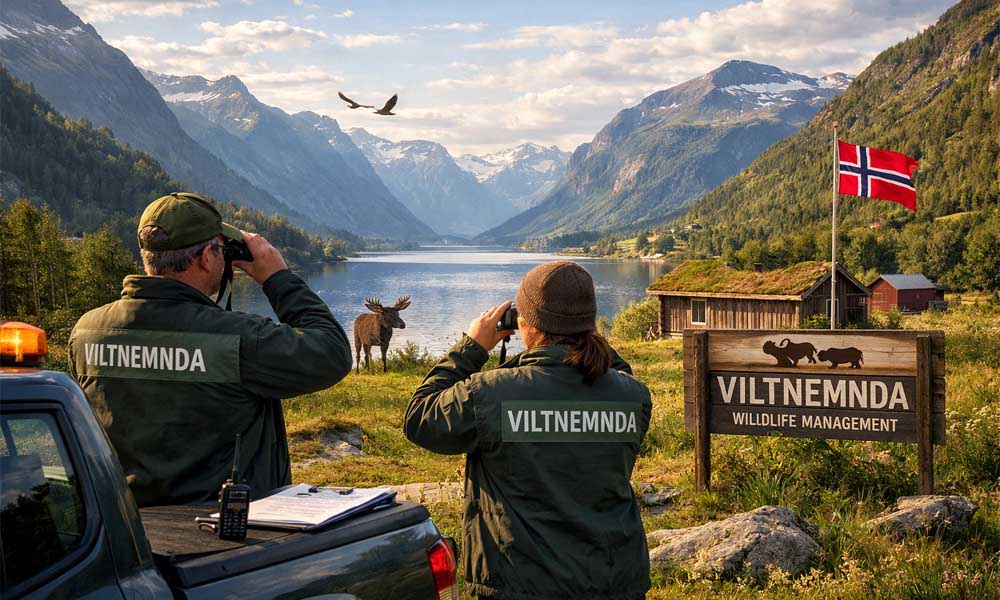
Have you ever wondered who controls wildlife and hunting in Norway? Many people see the word Viltnemnda online but feel confused. Some think it is a big national office. Others think it is a group of forest workers. But the truth is much simpler.
In Norway, wildlife is not only managed by one central office. Instead, local areas have an important role. This is where Viltnemnda comes in. It helps make local decisions about animals, hunting, and safety in each area.
Think about this for a moment. If a moose walks onto a road, who handles the situation? If hunters need rules, who sets them? If animals damage farms, who helps solve the problem? In many cases, Viltnemnda is part of that answer.
In this article, we will explain everything in a very easy way. You will learn what Viltnemnda means, why it exists, and how it works step by step. By the end, you will clearly understand how Norway manages wildlife in real life.
What Is Viltnemnda? (Simple Meaning)
The word Viltnemnda comes from Norwegian. The word “vilt” means wild animals, and “nemnda” means a group or committee. So, the full meaning is very simple. It means a wildlife committee that helps manage animals.
In simple words, Viltnemnda is a local group in a municipality. It helps handle things related to wildlife, hunting, and nature. It is not a national office. It works at the local level where people live and where animals move.
Many people think Viltnemnda works in forests or directly with animals. But that is not fully true. It mostly works with decisions, plans, and rules. It helps guide what should happen, not always doing the field work itself.
So, if you want a very simple answer, here it is. Viltnemnda is a local decision-making group that helps manage wildlife and hunting in Norway. It connects laws with real-life situations in each area.
Why Viltnemnda Exists in Norway
Norway has large forests, mountains, and many wild animals. Animals like moose, deer, and roe deer are common. Hunting is also a strong tradition. Many people depend on wildlife for food, culture, and land use.
But wildlife can also cause problems. Animals can cross roads and cause accidents. They can eat crops and damage farms. They can also affect forests. So, there must be a system to manage all this in a smart way.
This is why Viltnemnda exists. Instead of controlling everything from one big office, Norway lets local areas manage their own wildlife. Local people understand their land, animals, and problems better.
For example, one area may have too many moose, while another has fewer. One place may have more road accidents, while another has more farm damage. Viltnemnda helps make local decisions that fit each situation.
Is Viltnemnda a Government Body?
Yes, Viltnemnda is part of the government system, but at the local level. It works under the municipality. This means it is connected to local public administration, not the national government directly.
It is not fully independent. It follows national laws and rules. But it has the power to make some decisions locally. These decisions are usually given to it by the municipal council.
Think of it like a bridge. On one side, there are national laws. On the other side, there are real-life local problems. Viltnemnda stands in the middle and connects both sides.
So, when people ask, “Is Viltnemnda a government body?” the answer is simple. Yes, it is part of local government, and it helps turn laws into real actions in everyday life.
How Viltnemnda Works in Simple Steps
Many people think decisions about wildlife are made randomly. But that is not true. Viltnemnda follows a clear and simple process to make decisions in a fair way.
First, it collects information. This can include animal numbers, reports from hunters, road accident data, and local problems. Good decisions always start with good information.
Next, it checks the law. It looks at national rules and local policies. Then it studies the local situation carefully. Every area is different, so this step is very important.
After that, Viltnemnda makes a decision. This could be about hunting quotas, wildlife plans, or local rules. Finally, the decision is shared with the public so people understand what is happening.
Main Work of Viltnemnda (What It Really Does)
The work of Viltnemnda is bigger than many people think. It does not only deal with hunting. It handles many parts of wildlife management in a local area.
One main job is managing animal populations. This means keeping the number of animals balanced. If there are too many animals, problems can increase. If there are too few, it can harm nature.
Another important job is helping with rules and plans. Viltnemnda supports local policies about wildlife. It helps guide how people, animals, and land should work together.
It also helps solve problems. For example, if animals damage farms or cause safety issues, Viltnemnda plays a role in finding solutions. So, it helps keep both people and animals safe.
Viltnemnda and Hunting Rules in Norway
Hunting is an important part of life in Norway. But it is not allowed without rules. Hunting must be controlled so that animals stay healthy and balanced. This is where Viltnemnda plays a role.
Viltnemnda helps set hunting seasons. This means deciding when hunting can happen. It also helps decide quotas, which means how many animals can be hunted in a certain time.
It also works with hunting areas. These areas must follow rules to make sure hunting is safe and fair. Hunters must follow these rules carefully to protect both people and animals.
So, hunting is not just about catching animals. It is a tool for balance. With the help of Viltnemnda, hunting becomes part of a smart system that protects nature.
Important Words You Should Know (Easy Guide)
When you learn about Viltnemnda, you may see some new words. These words may look hard, but they are actually simple when explained clearly.
One important word is minsteareal. This means the minimum land size needed for hunting. It helps decide how many animals can be hunted based on land area.
Another word is vald. This means an approved hunting area. It shows where hunting is allowed and who can manage that area properly.
The third word is bestandsplan. This means a population plan. It explains how animal numbers should be managed over time. These words help make wildlife management more clear and organized.
What Happens When Animals Are Injured or Hit by Cars
Sometimes, wild animals walk onto roads. This can lead to accidents, especially with large animals like moose or deer. These accidents can be very dangerous for both people and animals. That is why quick and proper action is very important.
When an accident happens, people should stay calm and safe. They should report the incident to the police or local authorities. In many areas, special search teams are called to handle the situation. These teams are trained to deal with injured animals.
Viltnemnda is connected to this system. It helps organize and support how these cases are handled. It does not always go to the scene, but it helps make sure the system works properly and safely.
This work is important because it protects both human life and animal welfare. It also helps reduce suffering for injured animals. So, even in emergencies, Viltnemnda plays a quiet but important role.
Viltnemnda and Wildlife Money (Viltfond)
You may wonder how wildlife work is paid for. In Norway, there is a special fund called the viltfond. This fund is mainly filled with fees paid by hunters.
The money is used for many helpful things. It supports wildlife projects, helps improve animal habitats, and pays for work related to injured or dead animals. It also helps cover costs for search teams and equipment.
In some cases, Viltnemnda helps decide how this money is used. It makes sure the money is spent in a fair and useful way. This helps improve wildlife management in local areas.
So, the wildlife fund is very important. Without it, many local wildlife activities would be harder to manage. It helps keep the system running smoothly.
How Viltnemnda Works with Other Authorities
Viltnemnda does not work alone. It is part of a bigger system that includes different levels of government. Each level has its own role in wildlife management.
At the local level, the municipality handles daily wildlife issues. Viltnemnda works inside this system. At the regional level, there is Statsforvalteren, which checks that laws are followed properly.
At the national level, agencies like Miljødirektoratet create rules and guidelines. These rules help keep wildlife management fair across the country. Everyone works together to manage nature in a balanced way.
This teamwork is important. It makes sure decisions are not random. It also helps connect local knowledge with national goals.
Why Rules Are Different in Each Area
Many people ask why rules are not the same everywhere. The answer is simple. Every area in Norway is different. Some places have more animals, while others have fewer.
For example, one area may have many moose, which can cause road accidents. Another area may have more farmland, where animals can damage crops. These differences mean rules must change based on local needs.
Viltnemnda helps adjust rules for each area. It looks at local data, problems, and goals before making decisions. This helps create better and more useful solutions.
So, different rules do not mean confusion. They mean the system is flexible and smart. It allows each area to manage wildlife in the best way possible.
Viltnemnda vs Rovviltnemnda (Easy Difference)
People often confuse Viltnemnda with Rovviltnemnda. The names sound similar, but they are not the same. They have different roles in wildlife management.
Viltnemnda works at the local level. It handles general wildlife matters like deer, moose, and local hunting issues. It focuses on everyday wildlife management.
Rovviltnemnda, on the other hand, works at a higher level. It deals with large predators like wolves, bears, lynx, and wolverines. These animals need special rules and protection.
So, the difference is simple. One works locally with general wildlife, and the other works regionally with predators. Understanding this helps avoid confusion.
Big Challenges Viltnemnda Faces Today
Wildlife management is not always easy. Viltnemnda faces many challenges today. One big challenge is habitat loss. As cities grow, forests and natural areas become smaller.
Another problem is road accidents. More roads mean more chances for animals to cross and get hit. This increases risks for both drivers and animals.
There are also different opinions from people. Some want more hunting, while others want more protection. Viltnemnda must balance these views carefully.
Climate change is also affecting wildlife. Animals may move to new areas or change behavior. This makes management more complex and requires new solutions.
New Law Update in 2026 (Very Important)
A big change is coming in Norway’s wildlife system. A new law called viltressursloven will start on July 1, 2026. This law will replace the older viltloven.
The new law aims to improve how wildlife is managed. It will make rules clearer and more modern. It also helps define the role of local authorities more clearly.
For Viltnemnda, this means some changes may happen. It may get clearer responsibilities and updated rules to follow. This will help improve decision-making.
So, 2026 is an important year. It marks a new step in wildlife management. Understanding this change helps people stay informed.
How People Can Deal with Viltnemnda (Simple Tips)
If you need to contact Viltnemnda, the first step is to understand your problem. Is it about hunting, an injured animal, or a complaint? Knowing this helps you get the right answer faster.
It is also helpful to keep records. Write down dates, locations, and details of the issue. If you have documents, keep them safe. This makes communication easier and clearer.
If you disagree with a decision, you may have the right to appeal. This means asking for a review. The system allows people to question decisions in a fair way.
So, dealing with Viltnemnda is not difficult. With clear information and simple steps, you can handle your issue smoothly.
Why Viltnemnda Is Important for Everyone
You do not need to be a hunter to care about Viltnemnda. It affects many people. Farmers, drivers, and local residents all benefit from its work.
It helps reduce accidents on roads. It helps protect farms from damage. It also helps keep animal populations balanced and healthy.
Without a system like this, wildlife problems could grow quickly. There could be more accidents, more damage, and more confusion.
So, Viltnemnda is important for everyday life. It quietly supports safety, nature, and community balance.
Future of Viltnemnda (What Comes Next)
The future of Viltnemnda looks modern and smart. New tools like GPS tracking and drones are already being used in wildlife work. These tools help track animals and collect data easily.
Better data systems will also improve decisions. With more information, local authorities can make more accurate and fair choices. This helps both people and wildlife.
There will also be stronger teamwork between local and national levels. This will make the system more connected and efficient.
So, the future is not just about rules. It is about smarter and better wildlife management.
Conclusion
Now you understand what Viltnemnda is and why it matters. It is a local system that helps manage wildlife in a simple and practical way. It connects laws with real-life situations.
It handles hunting, animal safety, and local problems. It also works with other authorities to keep everything balanced. This makes wildlife management more effective.
As we move into 2026, changes in law and technology will make the system even better. But the main goal will stay the same. That goal is balance between people and nature.
In the end, Viltnemnda shows how local decisions can make a big difference. It is a simple idea, but it plays a very important role in Norway’s wildlife system.
(FAQs)
What is Viltnemnda in Norway?
Viltnemnda is a local wildlife committee in a Norwegian municipality. It helps manage animals, hunting rules, and wildlife problems. In simple words, it connects government laws with real-life wildlife decisions in each local area.
Is Viltnemnda part of the government?
Yes, Viltnemnda is part of the local government system. It works under the municipality and follows national laws. It does not make laws, but it helps apply them in real-life situations at the local level.
What does Viltnemnda actually do?
Viltnemnda manages wildlife populations, supports hunting rules, handles local wildlife issues, and helps plan animal management. It also plays a role in handling injured animals and supports safe and balanced wildlife systems.
Does Viltnemnda control hunting in Norway?
Viltnemnda helps control hunting at the local level. It supports decisions about hunting seasons, quotas, and hunting areas. Its goal is to make sure hunting stays safe, fair, and balanced for nature.
What should you do if you hit a wild animal in Norway?
If you hit a wild animal, stay safe and report it to the police immediately. Do not leave the scene without reporting. Local systems connected to Viltnemnda will help handle the injured animal properly and safely.
What is the difference between Viltnemnda and Rovviltnemnda?
Viltnemnda works at the local level and handles general wildlife like deer and moose. Rovviltnemnda works at a higher level and manages large predators like wolves and bears. They have different roles and responsibilities.
What is viltfond and how is it used?
Viltfond is a wildlife fund collected mainly from hunting fees. The money is used for wildlife projects, habitat improvement, and handling injured or dead animals. It helps support local wildlife work in a practical way.
Why are wildlife rules different in each municipality?
Rules are different because each area has different animals, land use, and problems. One place may have more accidents, while another has more farm damage. Viltnemnda adjusts rules based on local needs.
Can you complain or appeal a decision made by Viltnemnda?
Yes, you can appeal a decision if you think it is wrong or unfair. The system allows people to request a review. This helps keep decisions fair, clear, and based on proper rules.
What will change with the new wildlife law in 2026?
In 2026, a new law called viltressursloven will replace the old system. It will make wildlife management more modern and clear. Viltnemnda may get updated roles and better guidelines for decision-making.
You may also read: Pabington: Is It Real or Just an Internet Trend?