
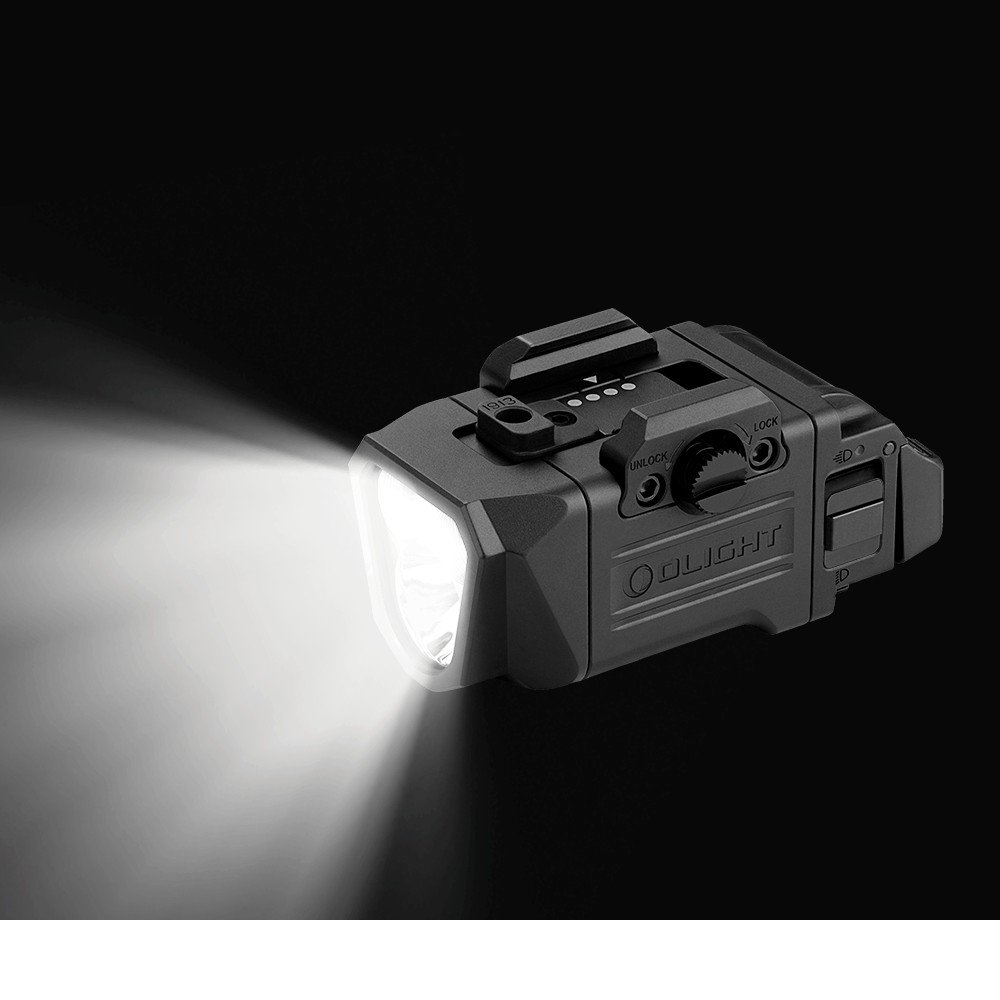
A pistol light has to be ready when it is needed, so its power system matters as much as its output. Rechargeable designs simplify routine charging, while CR123A-powered models let users carry compatible spare cells. The better choice depends on training habits, storage, and how often the equipment is inspected.
Battery type is only one part of reliability. Switches, mounting checks, battery indicators, impact resistance, and water-resistance ratings all help explain how a light may perform, but none removes the need for regular maintenance.
Anyone using firearm-mounted equipment should follow local laws, the firearm and accessory manufacturers’ instructions, and professional training. A powerful flashlight can support low-light visibility, but safe handling and correct target identification always come first.
The Maintenance Question Every Light Owner Faces
Reliability begins with a repeatable inspection routine. Check the battery level, controls, mounting hardware, lens, and housing before training or carrying the equipment. A light that worked during the last session should not automatically be assumed ready for the next one.
Clean battery contacts and charging areas only as directed by the manufacturer. Dirt, moisture, or damaged cables can interfere with charging and operation, while overtightening or using incompatible parts can create new problems.
Pay attention to warning signs such as unusual heat, swelling, damaged seals, inconsistent switching, or movement at the mount. Stop using damaged equipment and seek guidance from the manufacturer or a qualified professional.
CR123A Pistol Lights: Strengths and Habits
CR123A-powered pistol lights appeal to users who want to replace depleted cells quickly and carry sealed spares. That can be useful during extended training or travel when a charging source is not readily available.
Only use the battery type and orientation specified for the light. Store spare cells in a protective case rather than loose beside keys, coins, or other metal objects, and avoid mixing cells of different ages or conditions.
A replaceable-battery system still needs a schedule. Check expiration dates, inspect cells for damage, and confirm that the compartment closes correctly. A spare battery is useful only when it has been stored safely and remains in good condition.
Built-In Rechargeable: What USB-C Changes
A built-in rechargeable system reduces the need to buy and rotate disposable cells. USB-C charging can also fit into an established routine when the correct cable and power source are kept with the user’s training equipment.
Rechargeable does not mean maintenance-free. Check the battery indicator before use, recharge according to the manual, and avoid charging a wet, damaged, or unusually hot device.
Users should plan around actual operating modes rather than a single maximum-runtime figure. White light, laser-only operation, and combined modes can draw power differently, so the current product documentation should guide expectations.
Reading Live-Fire Testing: What 10,000 Rounds Means
A 10,000-round live-fire test is evidence that a specific product was evaluated under repeated recoil. It is more informative than a vague durability claim because it describes the type of stress applied during testing.
The result should still be read in context. Ammunition, firearm platform, mounting, inspection intervals, and test conditions can affect outcomes. A published test does not guarantee that every unit will survive every firearm, impact, or maintenance mistake.
Owners should continue checking mounting security, controls, lens condition, and zero where a laser is involved. Live-fire testing supports an evaluation; it does not replace inspection or training.
Battery Indicators and a Charging Routine You’ll Keep
A battery indicator can turn maintenance into a quick pre-use check. Learn what each signal means for the specific model instead of treating the indicator as an exact prediction of remaining runtime.
A practical routine is to inspect the light before every range session and review its charge again afterward. Recharge when needed, keep the approved cable available, and record recurring problems rather than waiting for a failure.
For equipment stored between sessions, follow the manufacturer’s storage guidance and recheck it before returning it to service. Temperature extremes and long storage periods can affect battery performance.
Olight PL X GL: Power, Runtime and Durability
The Olight PL X GL uses a built-in 3.7 V, 620 mAh lithium-polymer battery and USB-C charging. The supplied specifications state an approximate 80-minute charging time and include a battery indicator for routine checks.
The published information lists up to 95 minutes of white-light operation and up to nine hours in Laser Only mode. These are different modes, and actual runtime can vary with settings, battery condition, and operating environment.
The model is listed with IPX7 water resistance, 1.5-meter drop resistance, and a 10,000-round live-fire test. Its Class 3R green laser must be used in accordance with applicable laws and laser-safety guidance.
Why a Handheld Flashlight Still Belongs in the Plan
A handheld flashlight remains useful even when a pistol light is available. It can illuminate an area without pointing a firearm at it, making it the appropriate first option for many routine searches and identification tasks.
A responsible low-light plan combines a maintained handheld light, properly fitted equipment, professional training, and a clear understanding of local law. No specification replaces safe handling or sound judgment.