
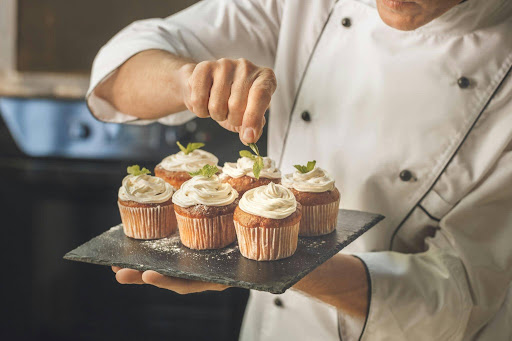
There’s a moment that most people who have eaten a genuinely great cupcake can recall with unusual specificity. The bakery it came from, the occasion it marked, the way the buttercream was textured differently from anything that came out of a supermarket display case. Food memories are powerful in general, but the cupcake occupies a particular position in the memory of celebration and comfort that gives the best examples of the form a stickiness that most other foods don’t achieve.
The boutique bakery movement that has grown steadily over the past decade is built on exactly this kind of memory, and on the gap between what that memory represents and what most commercially produced baked goods actually deliver. Understanding what drives that gap, and what the bakeries that close it are doing differently, explains both why the boutique bakery has proven more durable than a trend and why the cupcake has remained its most emblematic product.
How the Boutique Bakery Model Changed the Conversation
The commercial bakery model optimises for scale, shelf life, and price consistency. These are legitimate objectives for a business supplying a mass market, and they produce baked goods that are reliably adequate, widely available, and priced for casual purchase. What they don’t produce is something that anyone returns from with a strong opinion about the quality of what they ate.
The boutique bakery model starts from a different set of objectives. Small batch production means freshness is possible in a way that high-volume baking precludes. Attention to ingredient quality produces a taste difference that’s perceptible without the customer needing to be told it’s there. Skilled decorators who work with real buttercream and real chocolate produce a visual quality that is immediately distinguishable from the piped compound coatings of commercial alternatives. And the limitation on what’s made each day creates a scarcity that reinforces the perception of quality without manufacturing it artificially.
What makes the boutique bakery model interesting is that it arrived at a moment when the broader food culture was already moving in its direction. The slow food movement, the growth of farmers markets, the increasing interest in provenance and process that characterises the contemporary food consumer, all of these trends created an audience for a bakery that was willing to explain what made its products different and charge accordingly. The boutique bakery didn’t create that audience. It met one that was already forming and gave it a specific, tangible, delicious thing to point at.
The durability of the model, now evident across more than a decade of steady growth in the boutique bakery sector across major cities in Australia, the UK, and North America, reflects the fact that the product genuinely delivers on what the model promises. People return to boutique bakeries at rates that demonstrate genuine preference rather than novelty, and the average spend per visit tends to increase rather than decrease as customers develop familiarity with the range.
What Actually Goes Into a Great Cupcake
The craft behind a genuinely great cupcake is more involved than the final product’s size and simplicity suggest, and understanding what separates an exceptional one from an adequate one reveals why boutique bakeries that take the product seriously produce something categorically different from commercial alternatives.
The sponge is the foundation, and its quality is entirely determined before the product reaches the decorating stage. A butter cake made with quality butter and fresh eggs has a crumb structure, a moisture level, and a flavour depth that vegetable shortening and processed egg substitutes don’t replicate. The difference isn’t subtle. It’s immediately apparent in the texture and the way the cake behaves in the mouth, and it sets the entire quality ceiling for the finished product regardless of what happens above it.
Baking precision matters more than most casual observers of the process realise. A cupcake overbaked by four minutes is a different product from one removed at exactly the right moment, and a cupcake that’s allowed to cool correctly before being decorated is different from one decorated while still warm. These are not refinements that make a marginal difference. They’re the basic discipline of craft baking that produces consistent results across a production run rather than variable outcomes that make quality unpredictable.
The buttercream is where the most significant quality distinction between boutique and commercial baking is concentrated, and it’s the element most immediately perceptible to anyone who has eaten both. Real butter buttercream, made from quality unsalted butter whipped with icing sugar and flavoured with genuine extracts or fresh components, has a texture that melts on the tongue and a flavour that develops beyond the initial sweetness. Commercial compound buttercream made with vegetable shortening produces a visual result that photographs similarly but tastes fundamentally different and leaves a coating on the palate that real butter buttercream doesn’t.
Decoration is the final craft dimension, and it’s where the visual artistry of boutique baking is most visible. A hand-piped buttercream swirl from someone who has spent years developing the technique has a consistency and character that machine piping doesn’t produce. Edible decoration applied with genuine attention to how the finished product will look produces a result that people photograph before they eat, which is the contemporary equivalent of the highest compliment a plated dish can receive.
Sydney’s thecupcakeroom.com.au represents what this craft commitment looks like in a boutique bakery context: fresh daily baking from a nut-free kitchen in Leichhardt, a range of over a hundred designs spanning celebrations, corporate gifting, and seasonal occasions, with same-day delivery available across Sydney for the situations where freshness and timing are genuinely important. The product quality that comes from that combination of daily baking and skilled decoration is exactly what the boutique bakery model promises and what commercial alternatives can’t replicate at any scale.
Why Cupcakes Have Become the Celebration Food of Choice
The practical case for cupcakes over traditional celebration cakes has accumulated steadily across the years in which the boutique bakery has grown, and it explains a significant part of why the form has become so embedded in celebration culture across so many different contexts.
Portioning is the most immediately practical advantage. A traditional cake requires a knife, a serving surface, plates, and someone whose job at the celebration is to cut and distribute. Cupcakes require none of this. Each person takes one, the portion is implicit, and the celebration can continue without the logistics of serving. For the large proportion of modern celebrations that take place in contexts where this kind of service is either impractical or disruptive to the occasion’s flow, cupcakes remove a problem that shouldn’t need to be there.
Customisation at the individual level is a dimension that traditional cakes simply cannot match. A box of cupcakes where each one carries a different message, theme, or design creates a gifting experience that feels personally considered rather than generically celebratory. The cupcake with someone’s name on it, or with a design that references something specific about them or their occasion, is doing something that a single cake divided into portions cannot do for each of the people receiving a slice.
The social media dimension has accelerated what was already a genuine preference. A box of beautifully decorated cupcakes is among the most photographable food items available, and the culture of sharing celebration moments on social platforms has given the visual quality of celebration food a significance it didn’t previously carry. Boutique bakeries that produce visually exceptional cupcakes are producing content as much as they’re producing food, and that content has genuine marketing value that extends the reach of the celebration and reinforces the impression of thoughtfulness behind the gift.
What the Best Bakeries Understand That Mass Production Never Can
The boutique cupcake’s staying power isn’t ultimately about aesthetics or novelty. It’s about the difference between food that was made for a specific occasion by people who care about the result and food that was produced to a specification by a process optimised for volume.
That difference is felt rather than seen, and it’s felt in the specific way that distinguishes food made with genuine craft from food made with genuine efficiency. Both can look similar at arm’s length. Neither the quality of the sponge nor the character of the buttercream is immediately visible from the outside of the decorated product. But the moment a person bites into a cupcake that was made that morning by a baker who cares about the outcome, the difference from something made three days earlier in a facility designed for scale is immediately apparent.
The best boutique bakeries understand this difference and build their entire operation around maintaining it. They bake daily rather than in advance. They use quality ingredients that cost more and behave differently. They employ decorators who develop and maintain skilled techniques. And they accept the structural limitations that these commitments impose, the capped production volume, the same-day delivery requirements, the price point that reflects the actual cost of the product they’re making rather than the price point of its commercial equivalent.
That alignment between what the product actually is and how the business is built to deliver it is what makes the boutique bakery model genuinely durable rather than a premium positioning exercise. The cupcake at the centre of it earns its place in celebration culture every time it’s eaten, and that’s not something a production process can replicate regardless of how sophisticated it becomes.