
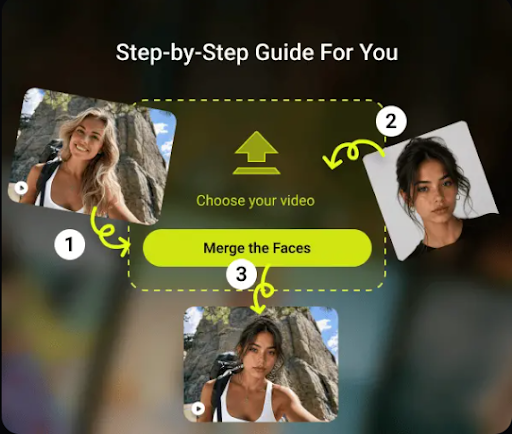
Face swap videos work well in short feeds because they create a “wait, what?” moment in the first second. That surprise is useful on TikTok, Reels, and Shorts, where people decide fast if they’ll keep watching. The trick is to use the effect as the hook, not the whole idea. If the swap doesn’t lead to a joke, reveal, trend, or story, viewers move on.
I’ve tested face swap clips for social campaigns and creator pages, and the best ones are usually simple. One clear setup, one clean swap, and one strong payoff beats a messy edit every time. A tool like Video Face Swap helps because short videos don’t need a full studio workflow. They need speed, consistency, and a result that looks good on a phone screen.
Before you publish, think about permission and context. Swapping your own face, a friend’s face with consent, or a fictional style is safer than using a real person in a way that could mislead viewers. I’ve found that creators get better comments when the video feels playful and transparent. If you want a quick place to start, EasyFaceSwap is useful for testing ideas before you spend time polishing a full batch of posts.
The 9 Best Face Swap Video Ideas
- Celebrity interview parody. Overview: This is the classic short clip where you act as both the interviewer and the “celebrity,” using a face swap to make the scene instantly funny. It works because viewers understand the format right away, so you don’t need much setup. Key features should include a tight script, a recognizable outfit or backdrop, and fast cuts between the two roles. The main pro is that it can feel big even if you film it at home, while the con is that you must avoid making it look like a real statement from a real person. Best for comedy creators, entertainment pages, and brands that can parody themselves without punching down.
- Before and after character reveal. Overview: This idea starts with your normal face, then cuts to a face swapped version that shows a character, future self, younger self, or fantasy version. The benefit is that it gives viewers a clear reason to watch until the end. Key features include a smooth transition, matching lighting, and a reveal that changes the mood. The pro is that it’s easy to pair with trending sounds, but the con is that weak lighting can make the swap look flat. Best for beauty, fashion, fitness, cosplay, and personal brand videos where transformation already fits the content.
- “If my pet were human” video. Overview: Pet content already performs well, and face swap adds a fresh twist by turning a dog, cat, or even a bird into a human style character. The clip can show the pet’s normal behavior, then switch to the human version reacting with attitude. Key features are expressive captions, close shots of the pet, and a face that matches the animal’s personality. The pro is high share value because pet owners tag each other, while the con is that it can get odd if the swap looks too serious. Best for pet accounts, family creators, and brands that sell pet products.
- Historical figure reacts to modern life. Overview: In this concept, you swap into a historical style face and react to things like smartphones, online dating, fast food, or office meetings. It works because the contrast is easy to understand and the joke lands fast. Key features include costume hints, old style music, and a modern object that creates the conflict. The pro is that it can be both funny and lightly educational, while the con is that you need to be careful with sensitive historical topics. Best for teachers, museums, book creators, and comedy accounts that like smart humor.
- Movie scene remake with your face. Overview: This is where you recreate a famous scene, but replace the lead with your own face or your team’s faces. It gives viewers the fun of recognition and the novelty of seeing someone unexpected in the role. Key features include a short quote, similar camera angle, and a cut before the clip drags. The pro is instant familiarity, but the con is copyright risk if you use too much original footage or audio. Best for film pages, reaction creators, fan accounts, and brands making safe parody content.
- Boss and employee role reversal. Overview: Workplace humor does well because people see themselves in it. With face swap, you can play the boss, the employee, the client, and the person pretending everything is fine. Key features include clear role labels, office props, and a punchline based on real tension, like deadline changes or endless meetings. The pro is that it’s relatable for a wide audience, while the con is that jokes about real coworkers can get awkward. Best for LinkedIn creators, career coaches, SaaS brands, and office comedy pages.
- Family generation swap. Overview: This idea swaps faces between parents, grandparents, kids, or siblings to show family traits in a funny way. It often gets strong comments because people compare features and say who looks like whom. Key features include consent from everyone shown, side by side framing, and a warm tone. The pro is emotional pull, while the con is that not every family member wants to be part of a public post. Best for family vloggers, wedding creators, genealogy pages, and lifestyle accounts that focus on personal stories.
- Brand mascot becomes a real person. Overview: If a business has a mascot, logo character, or product face, a face swap video can turn that identity into a person for a quick skit. This works well when the mascot complains, celebrates, or reacts like a customer. Key features include brand colors, one simple message, and a face that matches the mascot’s tone. The pro is that it makes brand content less stiff, while the con is that it can feel forced if the joke is really just an ad. Best for small businesses, food brands, sports teams, and creators selling their own merch.
- “Me in another universe” trend. Overview: This is a flexible idea where you show yourself as a chef, astronaut, medieval ruler, pop star, detective, or villain in quick cuts. It feels native to short feeds because each version can appear for less than a second. Key features include strong costumes or image prompts, beat matched editing, and captions that name each universe. The pro is that it’s highly reusable, while the con is that too many looks can weaken the main joke. Best for creators who want a series format they can repeat across niches.
Comparison Summary
| Rank | Idea | Best Use |
|---|---|---|
| 1 | Celebrity interview parody | Fast comedy and entertainment hooks |
| 2 | Before and after character reveal | Transformations and trend sounds |
| 3 | If my pet were human | Shareable pet and family content |
| 4 | Historical figure reacts | Smart humor and education |
| 5 | Movie scene remake | Fan content and pop culture parody |
| 6 | Boss and employee role reversal | Workplace and career humor |
| 7 | Family generation swap | Warm, personal storytelling |
| 8 | Brand mascot becomes a person | Small business and branded skits |
| 9 | Me in another universe | Repeatable series content |
How to Choose the Right Idea
Pick the idea that matches your audience’s reason for following you. A career account can make the boss and employee swap feel natural, but the same clip may look random on a beauty page. A pet creator can post a human pet swap and get comments right away because the audience already cares about the animal. Fit matters more than the effect.
Also think about how fast the viewer understands the video. If the audience needs three lines of caption to get the setup, the idea is probably too complex for a short. The strongest face swap clips usually explain themselves through the first frame. A wig, a desk, a pet bed, a movie angle, or a family photo can do more work than a long caption.
Quality matters, but perfection isn’t always needed. On short feeds, a slightly imperfect swap can still work if the joke is clear and the pacing is tight. What hurts performance more is bad lighting, shaky source footage, or faces turned too far away from the camera. Film with the face visible, use even light, and keep the clip short enough that viewers don’t have time to study every edge.
For brands, I’d stay away from swaps that could confuse people into thinking a public figure endorsed a product. It’s not worth the risk. Instead, use employees, mascots, customers with permission, or clearly fictional characters. You can still be funny without creating trust problems.
Final Recommendation
If you’re starting from scratch, begin with the before and after character reveal. It’s the easiest to film, works across many niches, and gives you a clean structure: normal version, transition, swapped version, reaction. Once you’ve posted a few and seen what your audience likes, move into parody interviews, workplace swaps, or the “another universe” format.
The best face swap videos don’t rely on the tool alone. They use the swap to deliver a sharper joke, a stronger reveal, or a more memorable character. Keep the concept simple, get consent when real people are involved, and make the first second obvious. That’s what gives short content the best chance to earn rewatches, comments, and shares.