
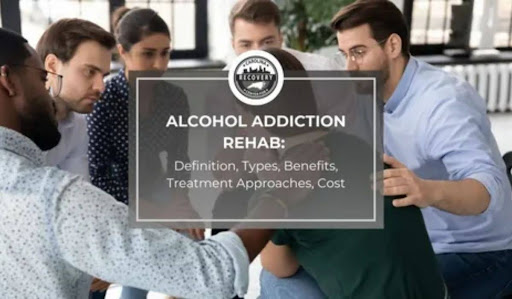
Alcohol and drug addiction can affect every area of a person’s life, including physical health, mental well-being, relationships, finances, and career goals. What often begins as occasional substance use can gradually develop into dependency, making it difficult to function without drugs or alcohol. While addiction presents significant challenges, recovery is possible with the right treatment approach and ongoing support.
Modern addiction treatment focuses on helping individuals regain control of their lives through evidence-based therapies, medical care, and personalized recovery plans. By addressing both the physical and emotional aspects of addiction, treatment programs provide the foundation necessary for lasting sobriety and improved quality of life.
Understanding Addiction as a Chronic Condition
Addiction is more than a lack of willpower or poor decision-making. It is a complex condition that affects the brain’s reward system and influences behavior, emotions, and judgment. Over time, repeated substance use can change brain chemistry, making it increasingly difficult to stop without professional help.
Recognizing addiction as a medical condition is an important step toward recovery. Effective treatment addresses the biological, psychological, and social factors contributing to substance use while helping individuals develop healthier ways to cope with life’s challenges.
Common Signs of Alcohol and Drug Dependency
The signs of addiction can vary depending on the substance involved and the individual’s circumstances. Common indicators include increased tolerance, withdrawal symptoms, neglecting responsibilities, mood changes, and unsuccessful attempts to stop using substances.
Many individuals also experience difficulties in relationships, work performance, and overall health as addiction progresses. Recognizing these warning signs early can encourage individuals and their families to seek professional assistance before the condition becomes more severe.
Why Professional Treatment Is Important
Attempting to overcome addiction alone can be challenging due to physical cravings, emotional triggers, and withdrawal symptoms. Professional treatment programs provide a structured environment where individuals can focus entirely on recovery while receiving expert guidance and support.
Comprehensive programs for Treatment for Alcohol and Drug Addiction often include medical care, counseling, behavioral therapy, and relapse prevention planning. These services help individuals address the root causes of addiction while developing practical skills for maintaining long-term sobriety.
The Role of Detox in the Recovery Process
Detoxification is often the first stage of addiction treatment. During detox, the body eliminates harmful substances while adjusting to functioning without drugs or alcohol. Depending on the severity of dependence, withdrawal symptoms can range from mild discomfort to more serious medical complications.
Medical supervision during detox helps ensure safety and comfort throughout the process. Healthcare professionals monitor symptoms, provide appropriate care, and support individuals as they prepare for the next stage of treatment. A successful detox experience can create a strong foundation for continued recovery.
Different Types of Addiction Treatment Programs
Every person’s recovery journey is unique, which is why treatment programs are designed to meet a variety of needs. Inpatient rehabilitation provides a highly structured environment with round-the-clock support, while outpatient programs offer flexibility for individuals who need to maintain certain responsibilities during treatment.
Additional options may include intensive outpatient programs, partial hospitalization programs, and specialized treatment services. Personalized care plans allow treatment providers to match individuals with the level of support most appropriate for their circumstances and recovery goals.
How Therapy Supports Lasting Recovery
Therapy is one of the most effective tools in addiction treatment. Individual counseling sessions help patients explore the underlying causes of substance use, identify triggers, and develop healthier coping mechanisms. Therapists work closely with individuals to create strategies that support both immediate recovery and long-term success.
Group therapy offers another valuable layer of support. Connecting with others who share similar experiences can reduce feelings of isolation while encouraging accountability and personal growth. Together, individual and group therapy help individuals build resilience and confidence throughout the recovery process.
Addressing Mental Health During Addiction Treatment
Mental health conditions frequently occur alongside substance use disorders. Anxiety, depression, trauma-related conditions, and chronic stress can contribute to addiction and make recovery more difficult when left untreated.
Comprehensive treatment programs address both addiction and mental health concerns simultaneously. This integrated approach helps individuals understand the connection between emotional well-being and substance use while providing effective tools for managing both challenges. Treating the whole person often leads to stronger recovery outcomes.
Family Support and Recovery Success
Addiction impacts not only the individual but also family members and loved ones. Relationships can become strained as substance use creates communication difficulties, trust issues, and emotional stress. Including family members in the recovery process can help rebuild these important connections.
Many treatment programs offer family counseling and educational sessions designed to improve understanding and communication. Strong family support often contributes to better treatment outcomes by creating a positive environment that encourages continued recovery and personal growth.
Relapse Prevention Strategies for Long-Term Sobriety
Recovery does not end when a treatment program is completed. Maintaining sobriety requires ongoing commitment, self-awareness, and access to support resources. Relapse prevention planning helps individuals identify triggers and develop strategies for handling difficult situations without returning to substance use.
Aftercare services such as counseling, support groups, sober living environments, and recovery coaching can provide valuable guidance following treatment. Continued participation in recovery-focused activities significantly improves the likelihood of achieving lasting sobriety.
Choosing the Right Rehabilitation Program
Finding the right treatment center is an important decision that can influence long-term recovery success. Individuals should look for programs that offer evidence-based therapies, experienced professionals, personalized treatment plans, and comprehensive support services.
Many people seeking sc drug and alcohol rehab programs prioritize facilities that provide compassionate care, individualized attention, and a strong focus on long-term recovery. Choosing a reputable treatment provider can make a significant difference in both the treatment experience and recovery outcomes.
Building a Healthier Future After Recovery
Recovery is not simply about avoiding substances—it is about creating a fulfilling and meaningful life. Developing healthy habits such as regular exercise, balanced nutrition, stress management, and positive social connections can help support ongoing sobriety and overall wellness.
Individuals who remain committed to personal growth and recovery often discover new opportunities, stronger relationships, and a renewed sense of purpose. By continuing to prioritize health and well-being, people in recovery can achieve lasting success and enjoy a brighter future.
Frequently Asked Questions
What is the first step in addiction treatment?
The first step is typically an assessment by a healthcare professional, followed by detoxification if necessary.
How long does addiction treatment usually last?
Treatment length varies depending on individual needs and may range from several weeks to several months.
Is detox always required?
Not every individual requires detox, but those experiencing physical dependence often benefit from medically supervised detoxification.
Can mental health conditions be treated alongside addiction?
Yes. Many rehabilitation programs provide integrated care that addresses both addiction and mental health concerns simultaneously.
What happens after completing rehab?
Aftercare services, counseling, support groups, and relapse prevention planning help individuals maintain long-term recovery.
Conclusion
Recovery from alcohol and drug addiction is a journey that requires dedication, support, and professional guidance. Through comprehensive treatment programs, individuals can address the physical, emotional, and behavioral factors contributing to addiction while building the skills needed for long-term success.
With the right treatment approach, recovery is possible for anyone willing to take the first step. Professional care, ongoing support, and a commitment to personal growth can help individuals overcome addiction and create healthier, more fulfilling lives.