
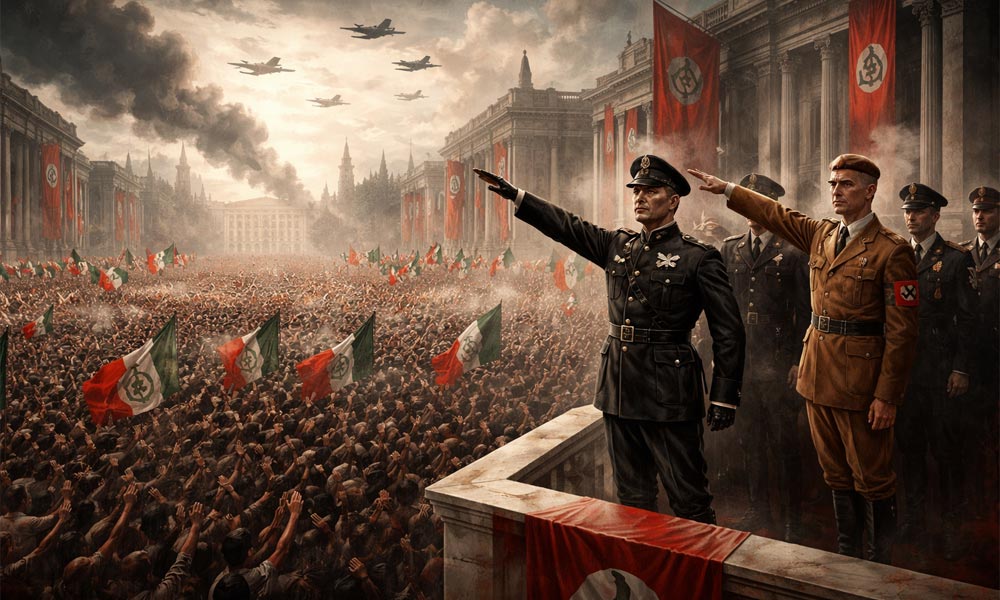
Have you ever heard someone use the word Fascisterne and wondered what it really means? You are not alone. Many people see this word online, in news, or in debates, but they do not fully understand it. At first, it may sound like something from the past. But the truth is, it still matters today.
Fascisterne is not just a history word. It connects to real events that changed the world in a big way. It is linked to power, control, war, and strong leaders who shaped entire countries. Even in 2026, people still talk about it when discussing politics, leadership, and freedom.
In this article, we will break everything down in a very simple way. You will learn what Fascisterne means, where it started, how it grew, and why it became so powerful. We will also explore how it affected people’s lives and why understanding it today is still important.
What Does Fascisterne Mean? (Simple Explanation)
Let’s start with the basics. The word Fascisterne comes from Danish, and it simply means “the fascists” in English. It refers to people who support or believe in fascism. While the meaning sounds simple, the history behind it is very serious.
When we talk about Fascisterne, we are usually talking about groups or leaders who follow a system where one strong leader has most of the power. These people believe in control, order, and putting the nation above everything else. In the past, this idea became very powerful in Europe.
Today, the word is still used, but people use it in different ways. Sometimes it is used correctly to describe certain political ideas. Other times, people use it just to criticize others. That is why it is important to understand the real meaning of Fascisterne, not just the way it is used in arguments.
What Is Fascism? Easy Meaning for Everyone
Now you might be thinking, what exactly is fascism? Let’s keep it simple. Fascism is a political system where one leader or one group has full control. People do not have much freedom to disagree or speak openly.
In fascism, the government is very strong. It controls many parts of life, like media, education, and even what people can say. The idea is that the country should be united under one leader, and everyone should follow the same direction.
To understand this better, imagine a classroom where only one person makes all the rules, and no one else is allowed to question them. That is a simple way to understand fascism. It is very different from democracy, where people can vote, speak freely, and share different opinions.
The Origin of Fascisterne: Where It All Began
The story of Fascisterne begins in Italy. The word comes from “fascio,” which means a group or bundle. It shows the idea that people are stronger when they act as one. There was also an old Roman symbol called the “fasces,” which stood for power and authority.
In the early 1900s, a man named Benito Mussolini used this idea to build a new political movement. He wanted to create a strong and united Italy. He believed that people should follow one leader and work together for the nation.
This is how fascism started as a real political system. It was not just an idea anymore. It became something that shaped how a country was run. Soon, this idea began to spread to other parts of Europe.
Rise of Fascisterne After World War I
After World War I, many countries were in trouble. People were poor, jobs were hard to find, and many felt lost. Governments were weak and could not fix problems quickly. This made people frustrated and angry.
In times like this, people often look for strong leaders who promise change. This is where Fascisterne gained attention. They promised order, strength, and a better future. They said they could fix everything quickly.
Imagine living in a time where nothing feels stable. You might also want someone who says, “I will take control and make things better.” That is how many people started to support fascist leaders. Step by step, these leaders gained more power.
Fascisterne Leaders: Mussolini and Hitler
Two of the most famous leaders linked to Fascisterne are Benito Mussolini and Adolf Hitler. Mussolini came first and built the fascist system in Italy. He became the leader and slowly removed democracy.
Hitler followed a similar path in Germany. He used strong speeches, promises, and public support to rise to power. His system, known as Nazism, had many similarities with fascism but also included strong racial ideas.
Both leaders focused on control, nationalism, and unity. They wanted their countries to become powerful again. Many people supported them at first, but over time, their rule became strict and dangerous.
Core Ideas of Fascisterne You Should Know
To understand Fascisterne, you need to know their main ideas. These ideas shaped how their systems worked and why they became so powerful.
One main idea is strong leadership. Fascisterne believe one leader should guide the country without much opposition. This leader is seen as the voice of the nation.
Another key idea is extreme nationalism. This means putting the country above everything else. People are expected to show full loyalty to the nation and its leader.
They also reject opposition. This means they do not allow people to disagree or challenge the system. Control, unity, and obedience are seen as more important than freedom.
Fascisterne and Nationalism: Pride or Danger?
Nationalism can be a good thing when it means loving your country and being proud of it. But in Fascisterne thinking, nationalism becomes much stronger and more extreme.
Fascisterne often divide people into groups like “us” and “them.” They may blame outsiders or minorities for problems. This creates fear and separation in society.
Think about this: What happens when a country starts seeing some people as less important? This is where danger begins. Extreme nationalism can lead to unfair treatment, hate, and even violence.
Fascisterne and Propaganda: Controlling People’s Minds
One of the strongest tools used by Fascisterne was propaganda. Propaganda means spreading information in a way that controls how people think.
Fascist governments used posters, radio, speeches, and films to share their ideas. They repeated messages again and again so people would believe them. Over time, these ideas started to feel normal.
For example, in Nazi Germany, a man named Joseph Goebbels controlled media and communication. He made sure people only saw and heard what the government wanted. This helped leaders stay in power without being questioned.
Life Under Fascisterne Rule
Life under Fascisterne rule was very different from life in a free country. People could not speak openly or share different opinions. Saying the wrong thing could lead to punishment.
The government controlled schools, media, and even daily life. People were expected to follow rules and support the leader. Fear played a big role in keeping control.
Imagine living in a place where you always have to be careful about what you say. That was the reality for many people under fascist rule. While some supported the system, many others lived in fear and silence.
Fascisterne in World War II
Now let’s move to one of the most serious parts of the story. Fascisterne played a major role in World War II. This was a global war that caused huge destruction and loss of life.
Germany, led by Adolf Hitler, and Italy, led by Mussolini, were key fascist powers. They believed in expansion and wanted to make their nations stronger by taking control of other lands. This led to conflict with many countries around the world.
The results were devastating. Cities were destroyed, millions of people lost their lives, and entire communities were broken. One of the worst events was the Holocaust, where millions of Jews and others were killed. This shows how dangerous the ideas of Fascisterne became when they were put into action.
Fascisterne in Different Countries
While Germany and Italy are the most well-known examples, Fascisterne ideas spread to other countries too. Each place had its own version, but the main ideas stayed similar.
In Spain, a leader named Franco ruled with strong control. In Portugal, Salazar created another strict system. These governments focused on order, control, and national strength.
In Scandinavia, things were a bit different. Denmark, for example, was occupied by Nazi Germany during the war. Some people supported fascist ideas, but many others resisted. This shows that even when Fascisterne existed, not everyone agreed with them.
Fall of Fascisterne After World War II
After years of war, things began to change. By 1945, the major fascist powers were defeated. Hitler’s rule ended, and Mussolini was removed from power.
This marked the fall of large fascist systems in Europe. People around the world saw the damage caused by these ideas and wanted change. Countries began to rebuild and focus more on freedom and human rights.
Important trials, like the Nuremberg Trials, were held to bring justice. Leaders were held responsible for their actions. This helped set rules for how the world should deal with such crimes in the future.
Fascisterne Today: Is It Still Around?
You might wonder, does Fascisterne still exist today? The answer is not simple. The exact systems from the past are gone, but some ideas still appear in modern times.
Today, people use the word Fascisterne in political debates. Sometimes it is used correctly to describe strict or controlling behavior. But sometimes, people use it too quickly just to criticize others.
In 2026, social media has made it easier for ideas to spread fast. This includes both good and bad ideas. That is why it is important to understand the real meaning of Fascisterne, so we can use the term carefully and correctly.
Warning Signs of Fascisterne Thinking
One important reason to study Fascisterne is to recognize warning signs early. History shows that these systems do not appear suddenly. They grow step by step.
Some common warning signs include attacks on free media. When leaders try to control news or silence journalists, it can be a danger sign. Another sign is when one leader gains too much power without checks.
Blaming minorities or outsiders is also a major warning sign. If a group is being unfairly targeted, it is something to pay attention to. Asking simple questions like “Who is being blamed?” or “Who has all the power?” can help people stay aware.
Why Learning About Fascisterne Is Important
Learning about Fascisterne helps us understand the past and protect the future. It shows how quickly things can change when power is not balanced.
Democracy gives people a voice. It allows different opinions and peaceful change. Fascist systems take that away. By studying history, we learn why freedom and rights matter so much.
Think about it like this: if you know the warning signs, you are less likely to be misled. Knowledge helps people make better choices and protect their communities.
How We Can Prevent Fascisterne Ideas
The good news is that there are ways to prevent the rise of Fascisterne ideas. One of the most important is education. When people understand history, they are less likely to repeat mistakes.
Free media also plays a big role. When people have access to honest information, it becomes harder for false ideas to spread. Asking questions and thinking critically are simple but powerful tools.
Strong laws and active citizens are also important. When people speak up against unfair actions, they help protect society. Even small actions, like staying informed or voting, can make a big difference.
Conclusion
So, what is the real truth about Fascisterne? It is more than just a word. It represents a system built on control, strong leadership, and extreme nationalism. It shaped history in powerful ways, especially during World War II.
But the story does not end there. The ideas behind Fascisterne still appear in different forms today. That is why understanding them is so important.
In the end, the best way forward is to stay informed, ask questions, and value freedom. History teaches us that power without limits can be dangerous. By learning about Fascisterne, we take a step toward a better and more aware future.
(FAQs)
What does Fascisterne mean in simple words?
Fascisterne is a Danish word that means “the fascists.” It refers to people who support fascism, a system where one strong leader controls the country and people have limited freedom.
What is fascism in very easy terms?
Fascism is a system where one leader or one party has full power. People cannot freely speak against the government, and everything is controlled to keep order and unity.
Who were the most famous Fascisterne leaders?
The most famous leaders linked to Fascisterne were Benito Mussolini in Italy and Adolf Hitler in Germany. They built powerful systems based on control, nationalism, and strict rule.
Why did Fascisterne become popular after World War I?
After World War I, many countries faced poverty, unemployment, and weak governments. People wanted strong leadership and quick solutions, which helped Fascisterne gain support.
What are the main features of Fascisterne systems?
Fascisterne systems usually include one strong leader, no real democracy, control of media, strict rules, nationalism, and punishment for people who oppose the government.
How did Fascisterne use propaganda?
Fascisterne used propaganda to control what people think. They used posters, radio, and speeches to repeat the same ideas again and again so people would believe and follow them.
What happened because of Fascisterne in World War II?
Fascisterne played a major role in World War II. Their actions led to war, destruction, and millions of deaths, including the Holocaust, which remains one of history’s worst tragedies.
Is Fascisterne still present today?
Fascisterne systems like those in the past no longer exist in the same way. However, some similar ideas can still appear in modern politics, which is why people still discuss the topic.
What are the warning signs of Fascisterne thinking?
Some warning signs include strong control by one leader, attacks on media, spreading fear, blaming minorities, and limiting freedom of speech and rights.
Why is it important to learn about Fascisterne today?
Learning about Fascisterne helps people understand history and protect freedom. It teaches us how to recognize dangerous ideas early and support democracy, fairness, and human rights.
You may also read: Nerwey: Meaning, Uses, and Why It Matters Today